

Wholesale Preserved Flowers: The Complete Guide for Bulk Buyers
2026-09-05
Preserved flowers promise long-lasting beauty, but wholesale buyers know that promise often falls apart in transit. Faded hues, brittle texture, inconsistent bunch sizes—these aren’t minor issues when you’re ordering thousands of stems. That’s exactly why this guide exists. We’ll show you how to evaluate suppliers, what to look for in preservation quality, and how PHLEEYA is raising the bar for bulk orders with a level of consistency most buyers only wish for.
What Sets Preserved Flowers Apart from Dried or Fresh Options
Fresh flowers have that fleeting, dewy charm but wilt within days. Dried blooms last longer yet often turn brittle and fade to dusty browns. Preserved flowers take a different route: real stems and petals are treated to keep their supple texture and vivid hue, mimicking a fresh-cut look months later. This isn't about creating a stiff, woody keepsake—it's a gentle process that replaces moisture with a plant-based solution, so petals still feel soft and bend rather than snap.
Care and display also split the three apart. Fresh demands water changes, trimmed stems, and cool spots; dried crumbles if you brush against it too hard. Preserved asks only for a dry, shaded spot—no water, no fuss. The visual payoff leans closer to a living bouquet, with colors that read as alive rather than faded, which makes them a quiet trick in rooms where real blooms would struggle.
Maybe the biggest difference is what you're actually getting: time. Fresh flowers are a short, bright burst; dried are a long, muted echo. Preserved flowers stretch that burst into months of full-color presence, bridging the gap between living energy and lasting decor. They don't pretend to be fresh forever—they just hold the middle ground longer than expected.
Why Bulk Buyers Are Switching to Preserved Blooms
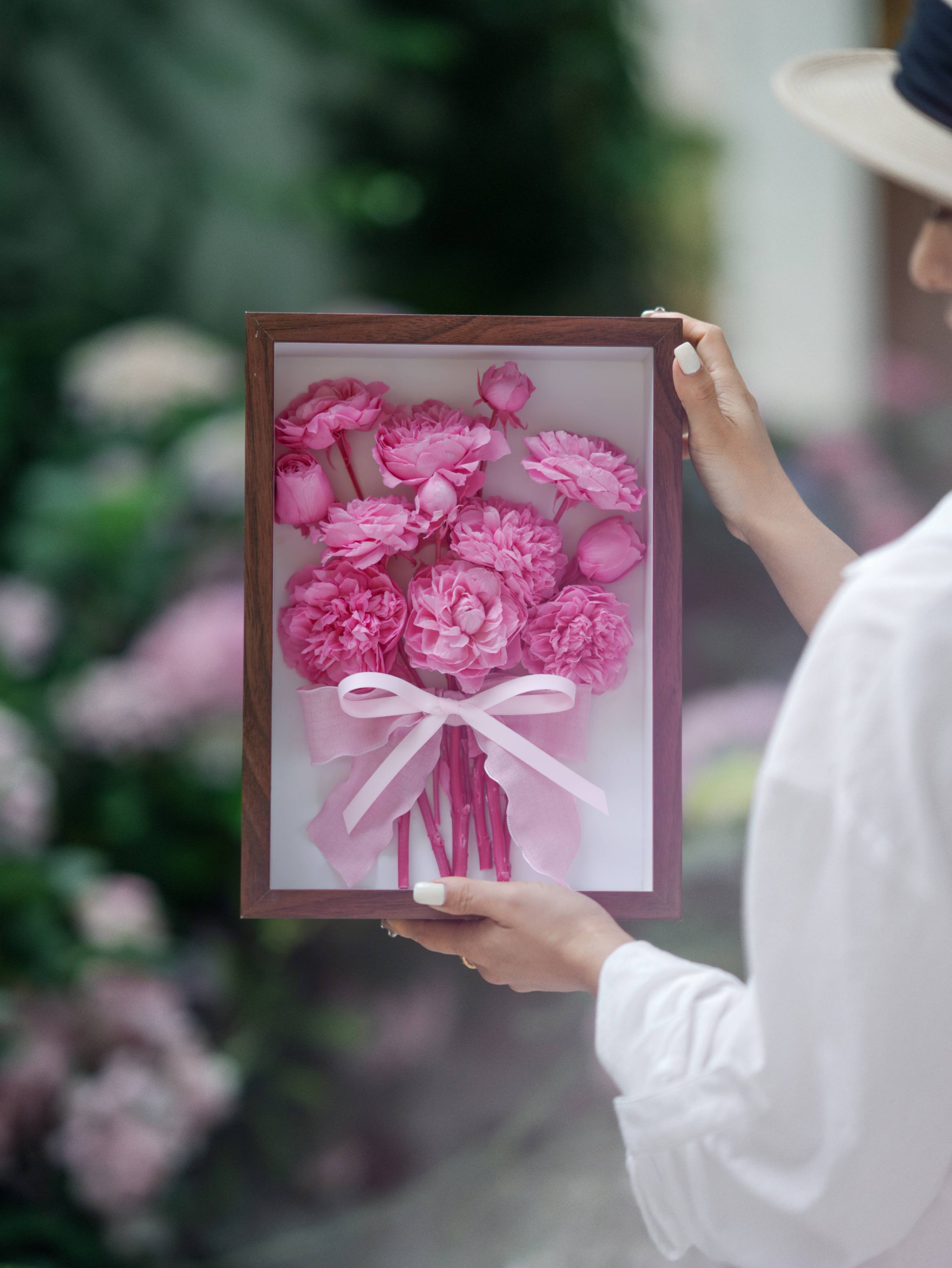
Traditional fresh flower purchasing has always carried a quiet frustration: blooms arrive looking perfect, then start dropping petals or yellowing within days. For anyone buying in volume, that means either constant reordering or writing off unsellable stock. Preserved blooms flip that script. They go through a treatment that locks in their appearance for months or even years, so the pressure to sell through inventory within a week disappears. Bulk buyers can finally plan ahead without watching the clock.
Beyond shelf life, preserved blooms are remarkably forgiving when it comes to storage and transport. No cold chain, no bruised petals from a rough delivery, no seasonal shortages driving up prices. Wholesalers who used to factor in a messy percentage for spoilage are finding that line item nearly zeroed out. Visually, they hold up against fresh flowers—often with a wider, more consistent color range—which makes them easy to slot into wedding work, hotel decor, or retail displays without compromising the look.
On paper, the per-stem cost of a preserved bloom can sit slightly higher than a fresh one. But once you add up the losses from wilting, the labor spent trimming and rehydrating, and the frequency of reorders, the math tilts the other way. More and more bulk buyers are treating preserved blooms as a standard inventory category rather than a novelty experiment. It is not a trend they are chasing; it is simply a cost-and-quality decision that finally makes sense at scale.
A Practical Checklist for Evaluating Wholesale Suppliers
Start by verifying the basics that often get skipped when a supplier's pricing looks attractive. Ask for a copy of their business license or registration, then confirm it matches the name and address on their invoices and packing slips. Run a quick check on their payment history through trade references or a third-party report if you're dealing with larger volumes. A supplier who hesitates to share this information or whose details keep shifting is usually a signal to move on.
Next, put the product itself under pressure. Always request a sample from the actual production line, not a pre-made showpiece, and test it against the specs you provided. Check whether they carry the certifications relevant to your market—CE, FDA, RoHS, or whatever applies—and ask for the certificate numbers so you can verify them independently. Don't forget to pin down minimum order quantities, realistic lead times, and what happens when a shipment arrives with defects. A clear, written returns or replacement policy beats a verbal promise every time.
Finally, watch how they communicate during the quoting and sampling stage, because that pattern rarely improves after you place an order. Do they answer the question you actually asked, or do they dodge with a vague reply? Are they upfront about delays or do they wait until you chase them? Check their packaging and labeling consistency on previous orders if possible, and ask about their process for handling rush orders or last-minute changes. A supplier that treats small buyers with the same attention as large ones is worth keeping.
Smart Storage Habits That Keep Inventory Looking Fresh
Fresh inventory starts with placement, not just packaging. Rotate older stock to the front every time new shipments arrive, and keep fast-moving items at arm’s reach. A simple “first in, first out” rhythm prevents forgotten boxes from turning stale in the back corner.
Temperature and humidity are silent enemies. Store products away from direct sunlight, overhead vents, and exterior walls that sweat during seasonal shifts. Even small changes—like adding a breathable shelf liner or spacing items so air can circulate—help colors stay crisp and materials hold their shape.
Finally, treat restocking as a quick audit. When you open a new box, check the condition of what’s already on the shelf. Wipe down surfaces, tidy folded edges, and reposition items that have slipped. A few minutes of upkeep each week keeps the whole display looking intentional rather than handled.
How to Price Preserved Flowers for Healthy Margins
Start by dissecting every real cost behind a finished arrangement. This means more than just the wholesale price of the stems—factor in preservative treatments, floral foam, containers, ribbon, labor minutes, and the quiet loss from pieces that break or fade during handling. Once that total per-unit cost is clear, apply a markup that protects your time and overhead, not just the materials. Many florists settle on a 2.5x to 4x multiplier, but the real test is whether the final number leaves room for unexpected rework or a slow sales week without wiping out profit.
Once you know your baseline, shift attention to perceived value. Preserved flowers offer something fresh stems don't: months or years of low-maintenance color, which justifies a premium if you frame it correctly. Instead of charging by stem count, price by outcome—gift-ready longevity, zero watering, and design exclusivity. A compact bud vase arrangement can command more than a larger fresh bouquet simply because the buyer is purchasing time and permanence. Use tiered options—entry, signature, and luxury—so customers self-select into higher-margin choices without feeling forced.
Pricing should breathe with your business. Track which designs consistently sell at full price and which ones only move when discounted; that gap tells you where perceived value is weak. Revisit your supplier costs every quarter, and don't hesitate to raise prices on your best sellers when input costs climb or demand stays strong. Healthy margins come from discipline: refuse to compete on price alone, and instead let quality, longevity, and finish justify the numbers on the tag.
Mistakes to Avoid When Buying Preserved Flowers in Bulk
One common slip is assuming every preserved bloom will hold up the same way. Some suppliers cut corners with cheaper glycerin baths or rush the dyeing, so petals feel brittle or shed color when you unpack the box. Before committing to a large order, ask for a physical sample from the exact batch you plan to buy—not a photo or a similar product. Check how the stems bend, whether leaves are attached firmly, and if the color transfers onto your fingers after a light rub.
Another mistake is ignoring how the flowers are packed and shipped. Bulk orders often travel long distances, and if the heads are pressed too tightly or left loose without cushioning, you'll end up with flattened petals and snapped stems by the time they arrive. Talk to the supplier about their layering method, whether they use dividers or tissue between rows, and what happens if a portion of the shipment gets damaged in transit. A refund policy sounds nice, but waiting for replacements can stall your whole event or retail schedule.
Many buyers also forget to plan for storage after the boxes are delivered. Preserved flowers can last for months or even a year, but only if you keep them out of direct sunlight, away from high humidity, and in a cool, dry spot. If you order a huge quantity without a proper storage area, you may find faded colors or mildewed stems before you've used half of the stock. Decide in advance where the boxes will live, and try to order closer to your actual usage date rather than months early just to secure a lower price.
FAQ
Preserved flowers are real blooms that have been treated to replace their natural sap with a plant-based solution, keeping them soft, flexible, and colorful for months or years. Dried flowers, on the other hand, are simply dehydrated through air-drying or desiccants, which makes them brittle and often causes colors to fade. Bulk buyers tend to prefer preserved varieties when they need a natural look with less breakage and longer-lasting vibrancy.
Focus on the physical quality of samples: petals should feel supple, not papery, with even color and no chemical smell. Check the stems and leaves for intactness and ask about batch consistency. A reliable supplier should be able to provide multiple production samples from different runs so you can spot variations before committing to a large order.
With proper care, most preserved flowers retain their appearance for one to three years. The exact lifespan depends on the flower type, the preservation method used, and storage conditions. Keeping them away from direct sunlight, high humidity, and excessive handling will help extend their usable window significantly.
Most suppliers set a minimum order quantity, often ranging from a few hundred to several thousand stems depending on the flower variety. Custom dyeing is usually possible, but it typically requires a larger commitment and a longer lead time. Always request a physical color swatch or pre-production sample before approving custom shades.
They are widely used in wedding and event decor, hotel lobby arrangements, retail bouquet lines, gift boxes, and home accent pieces. Because they require no water or daily maintenance, preserved flowers work well for installations that need to stay fresh-looking for weeks or months without ongoing care.
Keep them in a cool, dry, well-ventilated area, and avoid stacking heavy items on top of the boxes. For transport, use dividers or individual sleeves to prevent crushing, and line the shipping cartons with moisture-absorbing material. Sudden temperature swings can cause condensation, so try to maintain a stable environment during long hauls.
Yes, they can be combined, but you need to be mindful of moisture. Preserved flowers should not come into contact with wet floral foam or be misted with water, as that can cause spotting or decay. Many designers keep preserved stems in dry sections of an arrangement and use fresh materials only where water is contained.
Price depends on the flower species, stem length, bloom size, and whether colors are standard or custom. The preservation process itself varies in complexity, with some flowers requiring more handling and longer treatment times. Order volume, packaging requirements, and shipping distance also play a significant role in the final per-stem cost.
Conclusion
Unlike fresh cuts that wilt within days or dried stems that turn brittle and fade, preserved flowers keep a supple, natural look for months or even years. That durability is a big reason event planners, florists, and retailers are shifting their wholesale orders toward preserved blooms—fewer losses, longer display windows, and no cold-chain headaches. But the switch only pays off if you know what you're buying. A quick supplier check should cover how the flowers are treated, whether colors are consistent across batches, and how well stems and petals hold up under normal handling.
Once inventory arrives, storage makes or breaks your margins. Keep boxes in a cool, dry space away from direct sunlight and avoid crushing stems; humidity is the fastest way to trigger mold or color bleeding. Pricing should reflect the longer shelf life—many buyers happily pay a premium over fresh or dried alternatives, so don't anchor to the cheapest quote. Common mistakes include ordering too many of one color, skipping samples, or ignoring minimum order terms that leave you stuck with dead stock. Test small, track sell-through, and treat preserved flowers as a premium category rather than a budget filler.
Contact Us
Contact Person: Mr. Luo
Email: [email protected]
Tel/WhatsApp: 86 18100895505
Website: https://www.feiliyaflowers.com/en/