

Wholesale High Speed Paper Bag Machine Buying Guide for Packaging Teams
2026-11-20
Most packaging teams don’t need another long list of suppliers—they need a faster way to rule out machines that won’t hold up on a real production floor. This buying guide is built for exactly that: a practical walk through wholesale high speed paper bag machine specs, trade-offs, and purchasing triggers when output is non-negotiable. Along the way, we’ll look at what separates dependable equipment from demo-day heroics, including where ROKIN fits for teams ready to compare serious contenders.
Speed Ratings Are Only Part of the Throughput Story
A router's speed rating often reads like a headline number—AX3000, AC1200, and so on—but those figures are built from lab-friendly assumptions. They add up the maximum theoretical rates across multiple bands and spatial streams, which no single client can ever fully use at once. Treat that number as a ceiling written on paper rather than a promise of real-world movement.
What matters more is how the device handles simultaneous traffic, interference, and weaker signals. Backhaul quality, the width of available channels, how many streams the client hardware supports, and simple protocol overhead all pull actual throughput down from the marketing figure. A mid-tier unit with solid firmware and good band steering can feel faster day to day than a higher-rated model that falls apart under mixed load.
If you want a useful comparison, look at wired port speeds, measured LAN-to-WAN throughput, and behavior with multiple active devices. Those details reveal how much data can actually move through the box when it is doing real work, not just syncing at an ideal range in a quiet room.
Test Real Paper Grades Before You Trust the Feed System
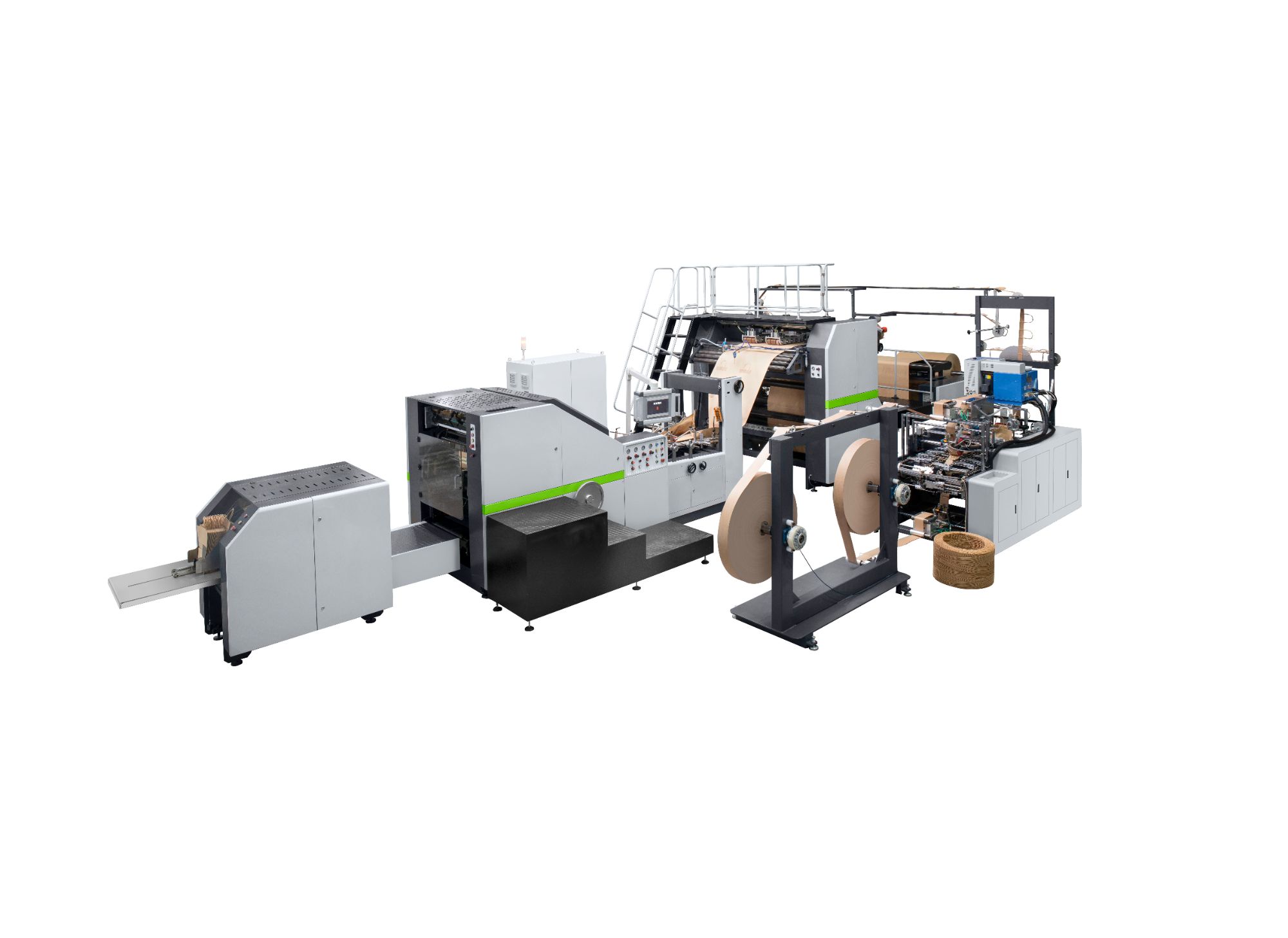
A feed system's consistency can look convincing on screen, but the only way to know if it actually delivers is to run grades against real paper. Simulated or synthetic media rarely exposes the quirks of fiber behavior, coating absorption, or the way static builds up after a long print run. Pulling a few sheets from the actual stock you intend to run and feeding them through the same path under normal production conditions gives you data that a demo loop simply cannot.
Pay attention to the failures that only appear after repetition. A stack might glide through cleanly for twenty sheets, then start double-feeding once the humidity in the room shifts or the paper dust accumulates on the rollers. Real grades often have slight curl, edge burrs, or inconsistent caliper that force the feed mechanism into decisions no test deck anticipated. If you skip this step, you end up tuning the system to a fantasy material and then wondering why the morning shift keeps clearing jams.
Make the test unforgiving. Use the lightest and heaviest weights in the grade, mix freshly opened reams with ones that have sat out overnight, and don't straighten the stack before loading. What you learn from those uncomfortable runs will tell you more about the feed system's limits than any brochure spec. Once the grades pass without babysitting, you can trust the setup enough to leave it unattended.
Changeover Time Adds Up Faster Than the Price Difference
A lower sticker price on a machine or tool often feels like a win before it ever hits the floor, but that perceived savings begins to fray once you watch a crew idle through an extra setup step on every single run. Those minutes never appear on the purchase order. They appear later as missed handoffs, frustrated operators, and a line that keeps falling short of its expected pace.
Consider two pieces of equipment separated by a few thousand dollars. The cheaper option demands twenty additional minutes per changeover because clamps need to be trued up or the settings refuse to repeat from the previous job. At five changeovers a day, that is roughly four hundred hours a year. Even a modest labor and burden rate erases the initial gap before the first quarter is over.
Price differences are easy to defend because they are fixed and visible on an invoice. Changeover time is different: it arrives in small, unremarkable pauses that quietly repeat until the plant has paid for the lost capacity several times over.
Demo Runs Rarely Reveal What Breaks on Your Floor
Most demos happen in a setting that has been quietly cleaned up for the occasion. The handhelds are fully charged, the network has room to breathe, and the person clicking through each screen knows exactly where the next tap should land. A real floor rarely offers any of that. It offers noise, interruptions, mangled barcodes, and operators who are trying to finish a shift rather than follow a script.
The failures that matter usually hide in those interruptions. A process may look fine on a conference table and still stall when someone sets a scanner down on a metal cart, when a Wi-Fi dead spot sits behind a new shelving run, or when two workstations try to print to the same label queue at once. Demos prove that a feature exists; they do not prove it can survive contact with the floor.
That is why the first unscripted hour tells you more than a week of prepared walkthroughs. It exposes friction that no one thought to stage: the extra step that slows a picker down, the confirmation screen that gets skipped, the tray that blocks a sensor when it is loaded from the left. Paying attention to those details before full rollout turns small annoyances into fixes instead of waiting for them to become daily bottlenecks.
Inspect the Frame, Rollers, and Wear Parts Before the Spec Sheet
A spec sheet gives you numbers, but it never tells you how a machine has actually been treated. Before you flip to the page with maximum load ratings and cycle times, take ten minutes to walk around the unit. Look at the main frame for cracks, bends, or sloppy weld repairs that someone tried to hide under fresh paint. If the frame has been straightened more than once, the geometry is already compromised, and no listed capacity will fix that.
Next, run your fingers along the rollers and check the wear surfaces. Rollers that are flat-spotted, grooved, or have uneven contact patterns are a sign of misalignment or chronic overloading. Pay attention to the smallest wear parts too: bushings, pins, guide blocks, and chain links. These pieces wear together, and when one is neglected, it accelerates damage in everything it touches. A machine with a thick spec sheet but shiny new paint over worn rollers is still a tired machine.
Use the spec sheet as a reference, not a starting point. Once you know the frame is straight, the rollers roll, and the wear parts still have life left in them, then the rated loads and speeds mean something. Otherwise, you are just buying a list of promises attached to a frame that has already given up.
Put Spare Parts and Service Windows in the Purchase Agreement
Lock the spare parts commitment into the contract before the ink dries. A vague promise to keep components available for a reasonable period rarely holds up when a critical machine sits idle. Specify exactly which parts stay in stock or on call, the maximum delivery time for each category, and how prices will be adjusted over a five- or ten-year horizon.
Service windows deserve the same attention as the equipment price. Define what counts as an emergency response, how quickly a certified technician must be on site, and whether remote diagnostics count toward that obligation. Some buyers agree to a four-hour window for production-critical lines but accept next-day service for auxiliary units; draw that line clearly so the supplier cannot bill every call as priority work.
Build in review points rather than leaving the terms fixed for the entire agreement. Parts pricing tied to an external index, an annual walk-through of recommended spares, and a fast path for adding newly identified items keep the schedule workable without reopening the whole contract. This practical structure gives both sides room to adjust while still protecting uptime.
FAQ
Ask for a continuous run video at your actual bag size and paper grammage, not just a peak cycle rate. The cycle count only matters if the feed, glue application, and delivery can hold that pace without frequent stops. Also ask for the rated output at the largest and smallest sizes you run because speed usually drops as dimensions change.
If your line changes bag sizes often, servos will pay off through faster changeovers and stored recipes. If you run two or three SKUs around the clock, a well built mechanical machine can be simpler to maintain and less expensive upfront, but you give up some flexibility and diagnostic visibility.
Plan for startup paper waste, spare forming plates and gusset parts, compressed air and electrical upgrades, adhesive consumption trials, operator training, and possibly floor reinforcement. Shipping and rigging also get overlooked when the line has a large footprint and multiple modules.
Bag width, length, gusset depth, paper grammage range, number of plies, handle style, and bottom patch configuration matter most. Output per shift depends on whether the machine can hold rated speed with your specific material and whether it has automatic stack delivery or requires manual handling at the end.
Request an unedited video of a continuous run with a visible counter, the exact paper and adhesive you plan to use, and the machine running your target bag dimensions. Ask for the stop log or downtime record from the trial, and call references who produce a similar bag rather than a lighter or simpler style.
Only if there is a realistic chance you will add handles, windows, or different bottom types within a few years. Otherwise you are paying for unused mounting points and controls. If expansion is probable, modular design can lower retrofit cost, but confirm the upgrade can be done in your region without long downtime.
The operator plays less of a physical role but more of a diagnostic role. A good HMI with clear fault messages and recipe controls reduces dependence on years of experience, but someone still needs to read paper tension, adjust glue patterns, and spot wear before it causes jams. Factor in at least a week of hands-on training and test runs with your own materials.
Normalize the quotes by output per paid shift, percent waste during setup and running, energy use per thousand bags, expected consumable life, and response time for service. Two machines can quote the same cycle rate but differ sharply in usable output because of feeder reliability, adhesive system design, or delivery bottlenecks.
Conclusion
Packaging teams evaluating a wholesale high speed paper bag machine often start with the headline speed rating, but that number alone rarely reflects real throughput. A line rated at 400 bags per minute can still disappoint if the feed system struggles with the actual paper grades your plant uses. Lightweight kraft, coated stock, and recycled sheets run differently through the same rollers, so running trials with your own materials before purchase is a smarter move than trusting a standard demo. Changeover time deserves equal weight. An inexpensive machine that takes an extra twenty minutes per size change can quietly wipe out the upfront savings after a few months of short, mixed production runs.
Factory demos and recorded runs usually happen in clean, controlled settings, not the dust, humidity, and hurried operator habits on your floor. Rather than relying on those short impressions, inspect the frame, rollers, and wear parts directly, and ask which components are most likely to need replacement within the first year. That conversation should move into the purchase agreement. Lock in realistic spare parts inventory, recommended service intervals, and response windows before the order is finalized. A rigid frame and clear support terms will usually matter more than a long spec sheet once the line is running three shifts.
Contact Us
Contact Person: CARA
Email: [email protected]
Tel/WhatsApp: +8619519778302
Website: https://www.rokinmachinery.com