

Top River Channel Dredging Manufacturer Shares Expert Insights for Waterway Maintenance
2026-11-24
Most waterway maintenance advice skips the part where real conditions mess up the plan. That is exactly where the team at YaKai Dredger starts. Drawing on years of river channel dredging work, they share the insights that help operators avoid costly downtime, extend equipment life, and keep channels navigable when it matters most.
Why Sediment Returns Even After a Thorough Dredging Pass
A dredging pass removes the material that has already settled, but it cannot stop the watershed from delivering more. Runoff after rain picks up clay, silt, and organic debris from construction sites, farm fields, and eroding banks. When that water reaches a slower stretch or a dredged pocket, the velocity drops and the suspended load falls out again. In many systems this is not a one-time problem; it is a continuous supply chain that refills the same depression within months.
The shape left by dredging also matters. A deeper, steeper cut can alter local currents, creating reverse eddies or low-energy zones along the edges where fine particles settle earlier than they would have before. If the side slopes are cut too steep, minor slumps and bank collapses add fresh sediment directly to the newly cleared area. Even without a major storm, ordinary tidal exchange or river pulses can keep moving material into the deepest part of the channel.
Finally, much of the returning sediment is not entirely new. Fine cohesive particles disturbed by dredging or vessel traffic go back into suspension, drift with the current, and settle once the water calms. A single pass may leave the bottom looking clean for a short time, but these resuspended fines often migrate back into the same low spots. That is why maintenance schedules are built around repeated passes rather than a single definitive cleanup.
Reading Flow Patterns Before Positioning a Cutterhead
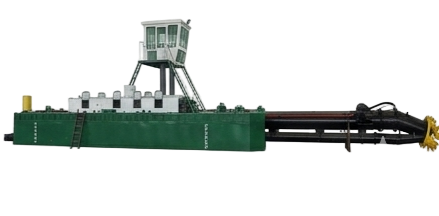
Before the cutterhead is moved into place, operators look at the way slurry or conditioned soil moves through the excavation chamber and across the face. Variations in velocity, return flow, or localized stagnation often point to uneven pressure or a zone where the ground is behaving differently than expected. Reading those patterns early gives the crew a chance to adjust the approach instead of reacting after the head is already locked into position.
A practical read involves more than watching gauges. It means comparing surface turbulence, discharge consistency, and the rhythm of the circulation circuit with what the face pressure readings suggest. If the return line carries intermittent slugs or the flow hesitates at a certain rotation angle, that can be a clue about a partially blocked opening or an unstable section near the cutterhead. Noting these details while the head is still free to be repositioned helps avoid forcing it into a bad stance.
In some ground conditions, the flow pattern itself can shift within minutes. A steady stream may suddenly turn cloudy or drop in volume, indicating that fines are migrating or that a void is opening. Slowing down the positioning sequence long enough to read that shift can prevent damage to the head and reduce the chance of a stuck cutterhead.
Depth Targets That Account for Future Silt Loads
A channel that looks deep enough on the day it is opened can lose that margin faster than expected once silt from a newly cleared catchment starts moving. Sediment loads shift as land use changes, burns leave slopes exposed, and storm patterns intensify, so a depth chosen from old surveys may already be too shallow for the next decade.
The practical fix is to set the target with a deposition allowance instead of treating silt as a maintenance afterthought. This allowance should vary by reach because some bends and backwater zones accumulate material quickly while narrower sections may scour, and a single offset across the whole waterway rarely matches actual behavior.
Repeated bathymetric surveys taken in different seasons give a stronger basis for that buffer. When the record shows the bed recovering during high flows and building up during dry months, the design depth can absorb the worst accumulation without forcing unnecessary excavation from the start.
When a Narrower Channel Works Better Than a Wider One
A broad channel often looks efficient on paper, but attention behaves differently in practice. When the audience is smaller and more specific, the message can be sharper, the examples can be more concrete, and the tone does not have to be watered down to satisfy everyone. The result is usually a higher proportion of people who actually care about what is being said.
There is also less noise to fight against. In a narrow channel, a reader or viewer often arrives with a clearer expectation, which means the first few seconds are not spent convincing them to stay. That changes the economics of attention. You can spend less effort on interruption and more effort on substance.
Perhaps the biggest advantage is the feedback loop. A smaller group tends to respond more directly, ask sharper questions, and point out weak spots earlier. Those signals help refine the work much faster than applause from a large but loosely connected audience. Wider reach has its place, but it can quietly dilute the depth that made the message worth hearing in the first place.
Machine Selection Based on Bank Conditions, Not Just Output
A machine that moves impressive volumes on flat, dry ground can quickly become a liability once the work shifts to a soft, sloped bank. Loose soil, standing water, and limited swing space all change how much of that rated output is actually usable. In these conditions, wide tracks, low ground pressure, and good weight distribution tend to matter more than a larger bucket or a faster cycle time.
The shape and stability of the bank itself should guide the choice. A steep, undercut face calls for a machine that can position safely without constant repositioning, while a narrow ledge may rule out anything with a wide tail swing even if its digging force looks stronger on paper. Matching the machine to the ground it will stand on prevents the kind of downtime that erases any theoretical productivity gain.
Output remains important, but it is only useful when the machine can stay working where the bank is weakest. Starting with soil type, moisture, slope, and access usually leads to a more realistic comparison between models than focusing on cubic yards per hour alone.
Maintenance Windows Tied to Fish Migration and Flood Cycles
A maintenance shutdown on a regulated river rarely starts on the date circled in a planning spreadsheet. It starts when the water temperature passes a threshold, or when the last large pulse of juvenile fish clears the tailrace. Until that happens, dive crews and crane operators stay on standby. The reason is practical: opening a spill gate or draining an intake bay during peak migration can funnel fish into machinery or leave them stranded in dewatered rock. So the work window is set by the river's biology, not by the availability of contractors.
Flood cycles cut across those biological windows in ways that override the original schedule. A rapid snowmelt can raise turbidity and velocity within two or three days, making it unsafe to place cofferdams or run cables across the channel. When that happens, crews pull back and wait. The delay isn't treated as a failure; it's built into the work plan as a contingency. Some facilities only attempt the heaviest maintenance after the main flood peak has passed but before low summer flows reduce water depth at the work site.
What emerges is a maintenance calendar that looks fragmented from an asset-management perspective: intensive work compressed into narrow openings, followed by idle periods. But that fragmentation is deliberate. It protects downstream habitat, reduces fish entrainment risk, and still allows machinery to be serviced before a small leak becomes a forced outage. The schedule isn't driven by the most convenient time for the utility; it's negotiated with the river's own seasonal behavior.
FAQ
Watch for shifting sandbars near bends, propellers picking up silt in stretches that used to run clean, and water levels dropping faster than normal after rain. Local boaters often notice soft groundings before surveys confirm the buildup.
It depends on access and material. Hydraulic dredges move a lot of fine sediment efficiently but need space for pipelines and a disposal site. Mechanical excavators work better where the channel is tight, the sediment is full of debris, or trucking is the only practical option.
Sampling tells you whether you're dealing with clean sand, silty clay, or contaminated material. That changes the equipment setup, the disposal method, and the permits. Skipping it often leads to expensive surprises once digging starts.
You have to manage water content, find a site that won't leak back into the channel, and meet environmental rules. In many cases, the disposal site determines how fast the dredge can run, because you can only cut as quickly as the placement area can accept the slurry.
Dredge after the high-flow season has pushed sediment into the channel but before low water exposes the shallowest sections. That timing lets you restore depth when it's most needed and avoid working in a narrow window of extreme drought.
By matching the pump curve to the actual pipeline length and lift, rather than running the dredge at maximum power all day. Small adjustments in cutter speed, swing rate, and slurry density can cut fuel consumption noticeably without slowing production.
Buried cables and old mooring chains. The focus is usually on vessel traffic and weather, but uncharted debris in the cut can damage equipment or injure crew. A proper pre-dredge survey with a magnetometer saves a lot of trouble.
Conclusion
Manufacturers who spend time on actual waterways tend to frame dredging less as a one-time cut and more as an ongoing negotiation with the river. Their crews notice, for instance, that a channel can look completely clear after a pass and still fill in sooner than expected because the surrounding banks keep shedding material or upstream flows deliver new silt during the next high-water event. That is why experienced teams read the current before positioning a cutterhead; a bend that looks convenient may be fighting the natural thalweg, which means the river simply works to undo the cut. Instead of chasing a fixed depth, they often set targets that leave room for what the watershed will carry in over the following seasons.
The same practical thinking shapes decisions beyond the cut itself. In some reaches, a narrower channel outperforms a wider one because it keeps velocity high enough to carry fine sediment through instead of letting it settle. Equipment selection also follows bank stability and access rather than raw pump output alone, since a high-production machine in fragile banks can create more repair work than progress. Timing matters just as much: maintenance windows are often scheduled around fish migration and flood cycles so that the work supports both navigation and the river’s natural rhythms. Taken together, these insights show waterway maintenance as a continuous read of flow, sediment, banks, and seasonal life rather than a simple excavation job.
Contact Us
Contact Person: Nancy
Email: [email protected]
Tel/WhatsApp: (+86) 13869631558
Website: https://www.yakaidredger.com/