

Top RCBO Factory Choices: A Buyer's Practical Guide
2026-11-16
Let’s be honest—most RCBO factory guides read like a spec sheet dump. This one won’t. We’ve spent months poking at samples, pulling test reports, and chasing lead times so you don’t have to. One supplier that survived our shortlist more than once is SINGI, but they’re not the only option worth your time. Here’s how to weigh the top choices without getting burned.
Reading a Factory's Real Capacity Beyond the Brochure
Brochure capacity figures are usually built around ideal conditions, but real output hides in the details. Instead of trusting the maximum theoretical rate, ask what the factory has actually delivered over the past six months—especially orders with complex specs or tight deadlines. True capacity is not the nameplate speed of a single machine; it is the steady output of the whole line when materials, labor, and quality control are all in place at the same time.
Watching the bottleneck on the floor tells you more than any glossy chart. If a key machine always has a queue of half-finished parts in front of it, or if a certain workstation needs constant overtime to keep up with the schedule, the real capacity is stuck right there. Also pay attention to operator skill and changeover time—two factories running the same equipment can easily see a 30 percent gap in effective output depending on how the line is managed.
Do not let the newest machine in the showroom distract you. Ask pointed questions: How long was the last unplanned downtime? What percentage of work was outsourced during peak season? If the factory hesitates or can only offer a vague annual capacity number, they probably do not have a firm grip on their actual load. On the other hand, a plant that can clearly state daily output per line, scrap rate, and average setup time is one that truly understands the edges of its own ability.
Beyond Certifications: How On-Site Testing Exposes Hidden Flaws
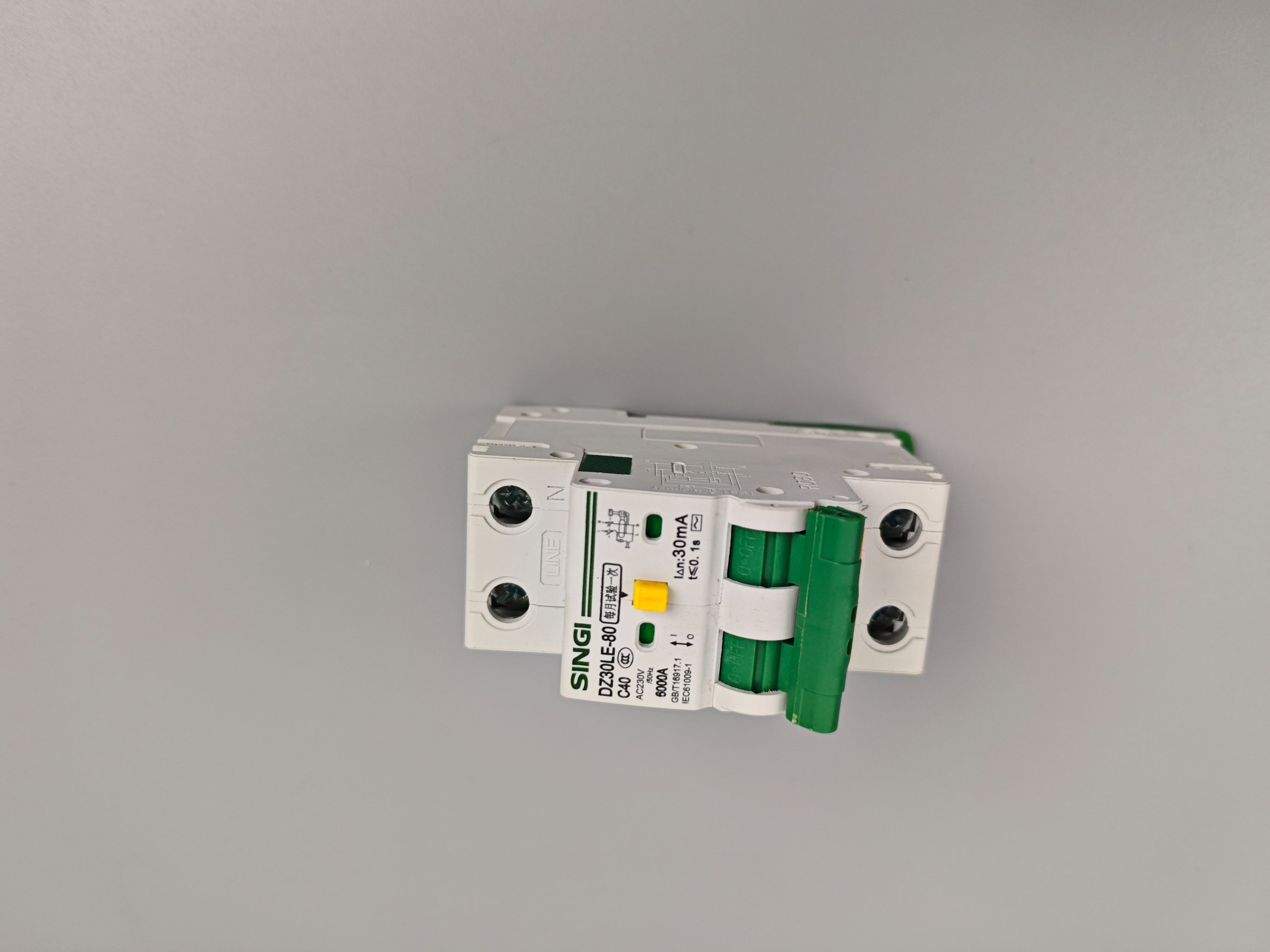
A certification badge can look impressive on paper, but it rarely tells the whole story. Manufacturing tolerances, material substitutions, and even last-minute design tweaks often slip past the documentation. On-site testing cuts through that illusion by putting the actual product through real-world conditions—vibration, temperature swings, sustained load, and operator interaction. It's not uncommon to find a component that passes a lab spec yet fails within hours on a production floor.
The hidden flaws usually aren't dramatic. They show up as intermittent signal drops, micro-cracks that only appear under thermal stress, or connectors that loosen after repeated insertions. Off-the-shelf test reports won't catch these because they were never run on the exact unit you're about to deploy. Bringing the test to the site means you can stress the system in its intended environment, with the actual cables, mounts, and power sources it will live with.
More importantly, on-site testing exposes the gap between how a product is supposed to be used and how people actually use it. A certified device might meet every written requirement, yet still frustrate operators or interfere with adjacent machinery. Watching the system in place reveals issues that no checklist predicts—like resonance from a nearby compressor or a touchscreen that becomes unreadable under factory lighting. That kind of insight only comes from testing where the product will really work.
Tracing the Supply Chain from Copper to Trip Coils
Every trip coil starts its life deep underground, where copper ore is blasted from open-pit mines and crushed into a fine slurry. The concentrate then travels by rail or ship to a smelter, often thousands of miles from the mine, where it is flash-melted and cast into anode plates. From there, electrorefining tanks strip away impurities until the copper reaches 99.99% purity—a threshold that matters more than most people realize for coil reliability, because trace elements like bismuth or selenium can quietly degrade conductivity under thermal stress.
The refined cathodes are melted again and drawn through progressively smaller dies to create magnet wire, a process that anneals the copper to restore its flexibility while maintaining a thin, uniform insulation layer. This wire is then wound onto bobbins in batches, with each spool tagged by heat number and draw date. What often gets overlooked is the custody chain between the wire manufacturer and the coil winder: if a shipment sits in a humid warehouse for even a week, subtle oxidation can form on the copper surface, later causing poor solder joints or micro-arcing inside the finished coil.
Finally, the wound coil moves through varnish impregnation, curing, and terminal crimping before being boxed and shipped to a breaker assembly plant. At each handoff—miner to smelter, smelter to wire drawer, wire drawer to winder, winder to assembler—the lack of a single continuous material certificate can force redundant testing downstream. Tracing that path isn't just about paperwork; it's about catching where a perfectly good copper rod becomes a marginally acceptable trip coil, often because someone stored a spool incorrectly or skipped a batch anneal cycle.
Does Customization Capability Actually Match Your Project Needs
Customization often gets sold as a limitless canvas, but the real question is whether those options align with what your project actually demands. A platform might offer dozens of theme tweaks and layout toggles, yet if none of them address a specific workflow or integration gap, that flexibility quickly becomes noise. Before diving in, list the three or four non-negotiable requirements for your build. Then check if the customization path can reach those goals without relying on unsupported workarounds or fragile plugins. If the answer is “kind of” or “with a lot of custom code,” the capability may be more marketing than substance.
Another angle is the cost of staying customized. Some tools let you alter almost everything on day one, but those changes can complicate future updates, slow down performance, or create a maintenance burden that a small team simply cannot carry. A healthy customization feature should feel like a set of well-placed dials, not a room full of exposed wiring. Test the limits early: try building one non-standard page or connecting one external service. Pay attention to how much manual rework is needed when the platform rolls out a new version. If minor changes break your custom pieces, the capability does not truly match a long-term project.
Finally, consider who will actually use that customization. If the tool requires a developer for every small adjustment, and your team has no dedicated developer, the feature is practically out of reach. The best fit is one where non-technical editors can safely make meaningful changes—adjusting content models, reordering sections, or swapping design tokens—while leaving the core structure intact. Ask for a trial period or a sandbox environment and have the people who will manage the project day-to-day perform typical customization tasks. Their frustration or ease will tell you more than any feature checklist ever could.
After-Sales Response and Spare Parts: The Overlooked Deal-Breaker
The real test of a supplier rarely happens at the quote stage. Price sheets and spec comparisons dominate the buying conversation, but once a machine is installed, what matters most is how quickly the manufacturer answers a call and whether the needed part actually exists in local stock. Many buyers discover this only after a line stops.
Response time is not just about picking up the phone. It includes diagnostic support, the ability to ship overnight without a week of export paperwork, and a spare parts list that covers wear items rather than just major assemblies. A supplier that treats spare parts as an afterthought will eventually turn a two-hour repair into a two-week production loss.
Before signing any purchase order, ask for a sample emergency scenario. Request a list of the ten most commonly replaced components and confirm where they are warehoused. If the answer is vague or the parts are always "available from the factory," assume the worst. After-sales capability is not a bonus feature; it determines whether the equipment earns its keep.
Breaking Down Costs: Why the Lowest Quote Often Costs Most
People often assume that choosing the lowest quote is a smart way to save money, but this intuition overlooks a critical fact: the number on the estimate is not the final cost. A low price usually means the provider has cut corners somewhere—using cheaper materials, skipping steps, or simply leaving necessary work out of the quote altogether. When you end up paying for rework, repairs, or additional services later, the initial "savings" vanish quickly.
Take home renovation as an example. A contractor who bids dramatically below market rates may not tell you that the quote excludes waste removal, permit fees, or standard waterproofing. Once the project starts, these "unexpected" expenses start piling up. Worse, using substandard materials or shoddy workmanship can cause problems within a few years, and fixing them often costs several times the original price difference.
There's also a hidden cost in time and energy. Working with an unreliable low-cost provider often means frequent communication, supervision, and nagging—or even dealing with disputes. That time could have been spent on something far more valuable. So a truly smart cost analysis looks not at the number on the quote, but at the total cost of ownership over the project's entire lifecycle—including maintenance, replacement, and potential risk losses.
FAQ
Look beyond the glossy brochures. Request actual test certificates for IEC 61009-1 and ask for a sample teardown—check the quality of the arc extinguishing chamber, the trip mechanism, and whether internal wiring is neat rather than rushed. A factory that hesitates to open up a unit usually has something to hide.
Ask for a pilot run of 100–200 units with your specific current ratings and leakage thresholds. Then pull 10 random samples and test tripping time under controlled fault conditions. Compare that against the factory’s in-house QC data—discrepancies often reveal whether they’re testing every unit or just printing labels.
For most markets, IEC 61009-1 is non-negotiable, but don’t stop there. If you’re selling into the UK, check for BS EN 61009-1 and possibly UKCA marking. Australia needs RCM, and the Gulf requires G-mark. A factory with multiple active certifications usually has better design maturity than one relying on a single regional approval.
For a new buyer, expect 30–45 days after sample approval if the factory already has your breaker frame in production. Anything under 20 days for fully custom components is a red flag—it often means they’re cutting corners on aging or calibration. Repeat orders can drop to 20–25 days once you’re in their schedule.
A specialist is usually better for technical depth, but a mixed factory can offer better pricing through shared components. The key is to check if their RCBO line is truly dedicated or just assembled from leftover MCB and RCD parts. Ask for a dedicated production cell and dedicated test benches—mixed lines often create calibration drift.
Don’t push for price cuts on the silver contacts, the toroidal core, or the PCB. Instead, ask for savings on packaging, logistics batching, or payment terms. A 2–3% reduction is safe; if a factory suddenly drops 10% or more, they’re likely swapping in thinner copper or a cheaper trip solenoid. Insist on a locked BOM before final payment.
Watch how they handle a minor defect claim. A reliable factory will send an engineer’s failure analysis with photos and a corrective action plan within a week. An unreliable one will blame the buyer’s installation, offer a tiny credit, or go silent after the second email. Also, check if they have a documented return rate—anything above 0.5% for field failures is worth investigating.
Yes, if the lab does more than just routine trip tests. Look for a thermal chamber, surge generator, and endurance rig. Factories with in-house labs usually catch batch deviations before shipping, which saves you from field recalls. If they outsource, ask for the last three external test reports and compare the dates—if they’re older than two years, treat that as a static certificate rather than ongoing oversight.
Conclusion
When you strip away the glossy PDFs and trade-show smiles, a factory’s true capacity shows up in small details. I’ve learned to ignore claimed monthly output and instead watch how many assembly stations are actually manned, how raw copper moves from storage to stamping, and whether trip coil winding happens in-house or gets outsourced. On-site testing matters more than any certificate on the wall. Ask the factory to run a batch of RCBOs through overload, short-circuit, and residual current tests while you watch the data logger, not just the pass/fail light. Follow the supply chain backward from the copper busbar to the magnetic trip coil; if they can’t name their copper alloy supplier or show incoming inspection records, that’s a red flag. A real factory doesn’t hide its rework corner or its calibration bench.
Customization often looks impressive in an email, but the real test is whether their engineering team asks about your inrush currents, ambient temperature, and wiring diagrams before quoting. If they just say yes to everything, expect surprises later. After-sales support is where many buyers get burned: find out how fast they ship a replacement trip unit or a spare test button, and whether they have a local service partner or only a sales agent. The cheapest quote usually ignores the cost of field failures, delayed shipments, and endless back-and-forth when a batch doesn’t match the sample. I’d rather pay 8 percent more for a factory that answers phone calls on Saturday and keeps critical spare parts on the shelf than chase a bargain that quietly evaporates after the container leaves the port.
Contact Us
Contact Person: Jack
Email: [email protected]
Tel/WhatsApp: (+86) 13757759651
Website: https://www.singi.com