

Top Garage Door Manufacturers: Your Ultimate Guide to Quality and Reliability
2025-12-21
Choosing the right garage door manufacturer is more than just a purchase—it's an investment in your home's security, curb appeal, and daily convenience. With countless options on the market, finding a brand that truly delivers on quality and reliability can feel like searching for a needle in a haystack. That's where we step in. In this guide, we've done the heavy lifting, sifting through the noise to spotlight manufacturers that stand the test of time. Among them, one name consistently rises above: FANSI, a brand that’s quietly redefining what homeowners should expect from their garage doors. Whether you're after durability, style, or smart technology, stick around—what you learn here might just change the way you think about garage doors forever.
Understanding What Makes a Garage Door Truly Reliable
A garage door that earns the label “reliable” isn’t just about one single feature—it’s a combination of smart engineering and thoughtful material selection. The frame and panels need to withstand daily stress without warping or cracking, so high-gauge steel or reinforced composite materials often outperform thinner, cheaper alternatives. Beyond the surface, the balance of the door is equally critical; a properly balanced door glides along its tracks with minimal resistance, reducing wear on the opener and preventing sudden failures. This harmony between components is what separates a door you can count on decade after decade from one that becomes a constant headache.
Hardware and safety mechanisms play a silent but enormous role in reliability. Heavy-duty torsion springs, for instance, are rated for a specific number of cycles, and opting for springs with a longer lifecycle means fewer unexpected breakdowns. Likewise, quality rollers—whether nylon or steel with sealed bearings—keep the door moving quietly and smoothly, even in extreme temperatures. The opener system itself should include features like automatic reverse and manual release cords that actually work when you need them. These elements aren’t flashy, but they determine whether the door will function faithfully during a power outage or a busy morning routine.
Finally, maintenance habits and installation expertise can make or break a door’s long-term performance. Even the best-built door will underperform if it’s installed out of square or with incorrectly tensioned springs. Regular lubrication of moving parts, periodic inspection of cables, and simple balance tests can add years to the system’s life. Reliable garage doors are often the result of a partnership between conscientious owners and skilled technicians who understand that small adjustments today prevent massive inconveniences tomorrow. It’s this blend of quality components, professional installation, and ongoing care that builds a door you trust without a second thought.
The Unseen Engineering Behind High-Quality Garage Doors
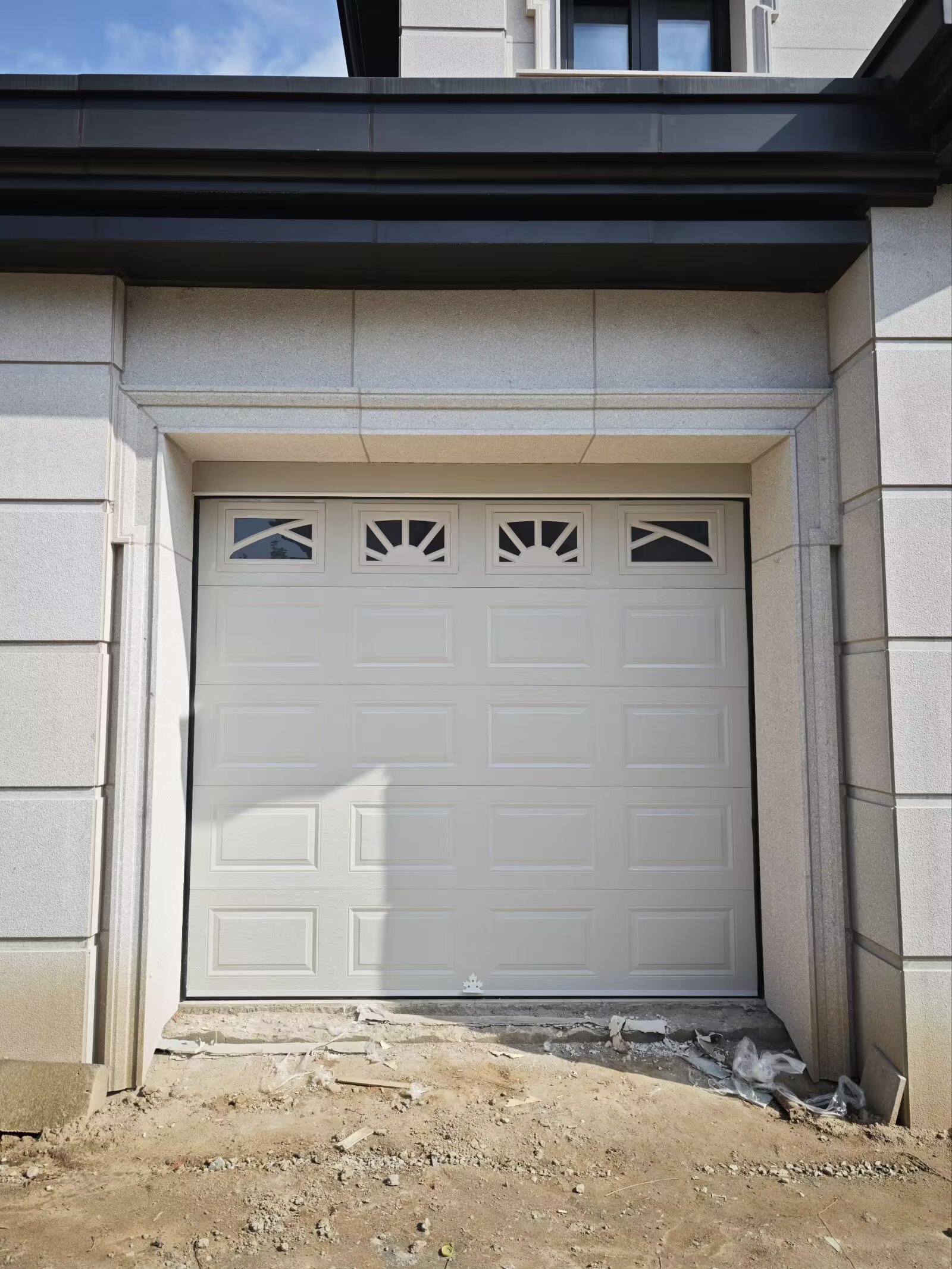
When you press the remote and your garage door glides upward, what you're really witnessing is a symphony of precisely engineered components working in concert. It’s not just a panel on hinges—modern high-quality doors integrate torsion springs that counterbalance the weight with carefully calculated torque, reducing strain on the opener and ensuring that manual operation, should you ever need it, feels almost effortless. The spring’s cycle life rating, often in the tens of thousands, is a direct result of metallurgical advancements and stress-relief treatments, a detail few homeowners ever see.
Beyond the springs, the track system plays a critical role. Rather than simple metal troughs, premium designs incorporate galvanized steel with continuous curve tapering and sealed ball-bearing rollers that minimize vibration and noise. Thermal breaks are sometimes embedded in the tracks themselves, preventing condensation that could lead to corrosion. Even the seemingly mundane weatherstrips at the bottom and sides are engineered with thermoplastic elastomers that retain flexibility in sub-zero temperatures, while rigid polyurethane insulation injected between steel skins yields R-values that rival residential wall assemblies.
Safety, too, is invisibly woven into the hardware. The counterbalance system includes internal containment cables that prevent springs from becoming dangerous projectiles upon failure. Optical sensors are now supplemented by infrared edge-monitoring, capable of detecting resistance without physical contact—a soft obstruction like a child’s hand meets the door edge and triggers instant reversal. These elements, hidden beneath a sleek exterior, transform what was once a simple garage barrier into a sophisticated, fail-safe machine.
Choosing a Manufacturer That Prioritizes Long-Term Performance
A manufacturer’s commitment to long-term performance shows up in the materials they choose and the design principles they follow. Instead of cutting corners to meet a low price point, they invest in components that withstand wear, corrosion, and repeated stress. Look for evidence of robust testing protocols—like cycle testing, environmental stress screening, or accelerated life tests—because these practices reveal how a product will hold up over years, not just months. When a company openly discusses failure thresholds and shares data from real-world deployments, you’re likely dealing with a partner that cares about reliability beyond the warranty window.
Beyond the product itself, a focus on longevity often means the manufacturer supports you with clear maintenance roadmaps and readily available spare parts. They design with serviceability in mind, so common wear items can be replaced without specialized tools or excessive downtime. This approach isn’t just about fixing things when they break; it’s about preventing unexpected failures through proactive guidance on operating conditions and wear indicators. Pay attention to how a potential partner talks about product lifecycles—do they highlight modular upgrades, backward compatibility, or lifecycle management services? Those are practical signs that they’ve engineered your long-term success into their offering from day one.
How Material Selection Defines Garage Door Durability
The lifespan of a garage door often comes down to what it's made of. Steel doors, for instance, bring a level of toughness that shrugs off dents and weather extremes with minimal upkeep. But not all steel is equal—the thickness and coating layers matter. Galvanized steel with a polyester finish can resist rust for decades, while thinner, bare metal sheets might start corroding within a few years. On the other hand, aluminum offers a lightweight alternative that won't rust, making it a practical choice for coastal areas where salt air eats away at other materials. Yet its lower density means it can warp under high winds or heavy impact, a trade-off worth weighing for homeowners in storm-prone zones.
Wood garage doors have a timeless look, but their durability relies heavily on the species and treatment. Cedar and redwood naturally repel insects and moisture, holding up better than pine or fir, especially when properly sealed. Even so, wood expands and contracts with humidity, which can lead to warping or peeling paint over time. Frequent refinishing becomes a necessity rather than an option, turning the door into a long-term project. For those who love wood’s warmth, investing in engineered wood composites can strike a balance, offering similar aesthetics with improved resistance to the elements without the constant maintenance.
Fiberglass and vinyl doors are the underdogs in durability conversations, often outperforming expectations. Fiberglass mimics wood grain convincingly but resists splitting, cracking, and fading even under intense sun. It's also lightweight, reducing strain on springs and openers, which indirectly extends the entire system’s life. Vinyl, meanwhile, earns its reputation as the “no-fuss” material—it doesn’t need paint, it’s virtually immune to dents, and it laughs off moisture. However, extreme cold can make some vinyl formulations brittle, so climate still plays a role. Ultimately, picking the right material isn’t just about the upfront cost; it’s a decision that shapes how well the door performs through seasons of use and abuse.
Real-World Testing That Separates the Best from the Rest
When we put gear through its paces, lab results only tell part of the story. Our team takes products into everyday situations—rain-soaked trails, crowded commutes, dusty worksites—to see how they actually hold up under pressure.
That means evaluating not just peak performance, but the little things that matter over time: how zippers function with cold, wet hands, whether battery life fades after months of use, or if a fabric still looks good after dozens of washes. If it can't thrive in the messy reality of daily life, it doesn't earn a spot on our list.
Insider Tips for Evaluating Manufacturer Warranty and Support
When sizing up a manufacturer's warranty, don't just glance at the length—dig into what's actually covered. A ten-year warranty sounds impressive until you realize it only covers the compressor and you're on the hook for labor and other expensive components. Pay attention to fine print around exclusions, transferability, and whether the warranty is prorated. A fully transferable, non-prorated warranty that includes labor can be a real differentiator and a sign the brand stands firmly behind its product.
Support responsiveness is another make-or-break factor that often gets overlooked. Before committing, test their customer service channel with a question or a hypothetical issue. See how quickly they respond, whether you get a real person or a templated reply, and if the support staff seems knowledgeable. Look for brands that offer multiple support avenues—phone, live chat, email—and maintain active user communities or comprehensive knowledge bases. These resources can save you hours of frustration down the road and often indicate a company that prioritizes post-purchase experience.
Don't underestimate the value of real-world feedback from existing customers. Scour forums, independent review sites, and social media groups to see how the manufacturer handles warranty claims and support requests when something goes wrong. Watch for patterns: delays in processing claims, surprise charges, or difficulty getting through to a technician. Conversely, stories of a company going above and beyond—like covering shipping for a part even when the warranty period was technically over—speak volumes about their integrity. This due diligence can prevent you from being stuck with a product that leaves you stranded when you need help the most.
FAQ
Focus on the materials they use, how long they've been in business, and what existing customers say about their products. A solid warranty and responsive customer service are also good signs.
Clopay, Amarr, and Wayne Dalton often come up in conversations about long-lasting doors. They use thicker steel, reinforced hardware, and finishes that resist rust and fading.
Steel doors are tough and low-maintenance, but can dent. Wood offers a classic look but needs regular upkeep. Aluminum is lightweight and resists corrosion, while fiberglass works well in coastal areas because it doesn't rot or warp.
Going cheap might save money upfront, but premium doors usually have better insulation, quieter operation, and stronger components. Over time, you'll spend less on repairs and energy bills, so the extra cost often pays off.
Listen for excessive noise during operation, watch for uneven movement, and check for gaps when closed. Flimsy hinges, thin panels, and paint that fades quickly are also red flags.
A good manufacturer stands behind their work with a solid warranty, offers easy access to replacement parts, and provides clear maintenance instructions. Some even have local certified dealers who can handle repairs quickly.
Conclusion
A garage door that stands the test of time doesn't happen by chance—it's the product of deliberate engineering, material choices, and rigorous testing that most homeowners never see. The difference between a door that operates smoothly for decades and one that becomes a maintenance headache lies in the details: reinforced tracks, high-cycle torsion springs, and weather-sealing technologies that resist warping and rust. Top manufacturers invest heavily in steel thickness, insulation density, and balanced weight distribution, ensuring doors open quietly and close securely year after year. Rather than focusing solely on aesthetics, they prioritize the mechanical heart of the door, so everyday use doesn't take a toll on critical components. This is what separates a commodity garage door from a truly reliable home asset.
When it's time to choose, the manufacturer's approach to long-term support reveals much about their confidence in their products. The best in the industry don't hide behind vague promises; they offer detailed warranties that cover moving parts and structural integrity, often with clear expectations for service life. It’s worth looking past the initial price tag and asking how they validate their designs—whether through accelerated wear simulations or real-world climate exposure tests—to ensure the door you buy today will perform for years. Material selection is another telling sign: galvanized steel, composite reinforcements, and insulated cores aren't just upgrades; they are indicators of a company that designs for durability. The ultimate guide to quality isn't about flashy marketing—it's about finding manufacturers that obsess over the unseen engineering, test relentlessly, and back their work with straightforward, practical support.
Contact Us
Contact Person: Liam
Email: [email protected]
Tel/WhatsApp: (+86)16658531012
Website: https://www.fansifiredoor.com