

Through Hole Resistor Recommended List: Top Picks for Your Electronics Projects
2026-07-21
When building electronics, choosing the right through hole resistor can make or break your design. From prototyping to final assembly, having a go-to list of reliable parts saves time and headaches. At Milliohm, we’ve tested and curated top picks that balance precision, durability, and cost. Whether you need low-tolerance values or high-power handling, this recommended list will kickstart your next project with confidence.
Essential Through Hole Resistors for Every Workbench
Every workbench needs a solid collection of through hole resistors, and having a well-organized set saves you from scrambling mid-project. I like to keep a binder with labeled pockets for each decade from 1 ohm to 10 megaohms, so I can quickly grab the value I need without hunting through mixed bags. Carbon film resistors handle most general-purpose tasks, but I always keep a separate stash of metal film ones for precision work—their tighter tolerance and lower noise make a noticeable difference in analog circuits.
Power rating is another detail that’s easy to overlook until something starts smoking on your board. For most breadboarding and low-current prototypes, 1/4 watt resistors are the sweet spot, but I’ve learned to stock a few 1/2 watt and 1 watt in commonly used values like 100 ohms and 1k—they’re lifesavers when you’re driving LEDs in parallel or need a quick pull-up in a noisy environment. And don’t forget the zero-ohm jumpers; they might seem trivial, but having real resistor-shaped jumpers keeps your layout tidy when you’re routing over traces on a single-sided board.
What really elevates a resistor kit is the way you mark and store rarely used values. Instead of taping them to a card, I use tiny glassine envelopes with the resistance and wattage written in pencil—they’re reuse-friendly and take up almost no space. For high-voltage projects, I separate a set of fusible and flameproof resistors in a marked box, because the extra safety margin is worth the slight cost. Over time, you develop an instinct for which values you reach for most, and you can tailor your bench stock accordingly, keeping the oddball resistors from turning your workspace into a chaotic swap meet.
Handpicked Resistors That Deliver Consistent Performance
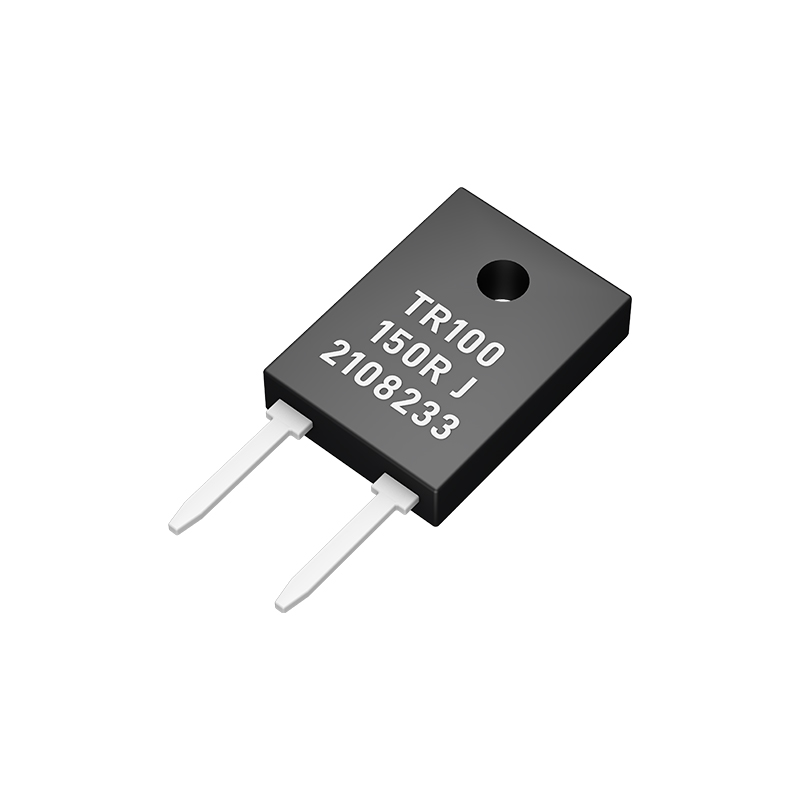
Every resistor in our inventory goes through a deliberate, manual selection process that goes far beyond basic tolerance checks. We measure noise, temperature drift, and long-term stability under actual operating conditions—not just at room temperature. This obsessive attention weeds out the subtle outliers that standard binning misses, so the parts you get reliably match the published curves.
What really sets these resistors apart is the way we batch them. We don't just mix reels from different production runs; instead, we group units with nearly identical thermal and voltage coefficient signatures. The result is a set of components that behave as a cohesive unit, whether you're building a precision divider or a low-drift amplifier stage. Consistency like this means fewer surprises on the bench and far less time spent chasing elusive errors.
Because we use these same handpicked resistors in our own instruments, we've learned what matters most: predictable performance over time and across temperature. Each batch is stress-tested through repeated thermal cycles before it ever reaches the shelf. That upfront rigor translates directly into circuits that hold their calibration longer and react the same way from one unit to the next—simple as that.
Durable Choices for Long-Term Circuit Stability
When designing circuits meant to endure years of operation without failure, every component selection becomes a deliberate act of foresight. Resistors, capacitors, and connectors aren't just parts—they're the foundational decisions that determine whether a board survives thermal cycling, vibration, or humidity. For instance, a standard thick-film resistor might drift under high-voltage stress, whereas a metal-foil counterpart offers near-imperceptible aging, preserving precision in feedback loops that can't afford recalibration. This granular attention to material science and derating guidelines transforms a schematic from a theoretical ideal into a physically resilient system.
Protection mechanisms are equally vital, often operating invisibly until a fault occurs. A well-chosen transient-voltage suppressor clamps surges before they cascade into latched-up semiconductors, while conformal coating prevents dendritic growth between closely spaced traces. In power stages, solid-state relays with zero-crossing detection reduce inrush currents that would otherwise degrade capacitor dielectric over repeated cycles. Such choices aren't glamorous, but they form a silent guard against the gradual erosion that turns minor weaknesses into field returns.
Beyond individual components, architectural habits like current limiting, redundant ground paths, and thermal budgeting play a decisive role. A board that runs 10°C cooler can double its expected life, a margin gained through simple adjustments: wider traces, thicker copper, or strategically placed thermal vias. Equally important is the refusal to treat nominal ratings as absolutes—a connector rated for 5 A may perform admirably at 3 A for a decade, but at 4.5 A, contact resistance drifts until intermittent opens plague the system. Long-term stability isn't about extravagance; it's about recognizing where small overengineering yields decades of uninterrupted service.
Versatile Packs That Cover All Your Prototyping Needs
When you're deep in the build phase, nothing slows momentum like hunting for the right connector or running low on jumper wires. That's where thoughtfully curated packs come in—they bundle the essentials you actually use, from microcontrollers to sensor modules, so you can stay in the flow. Instead of one-size-fits-all kits, these collections are refined over time by makers who know which parts matter most, ensuring you spend less time sourcing and more time testing your ideas.
What sets a great prototyping pack apart is its ability to adapt across projects. You might start with a breadboard-friendly setup for a quick proof of concept, then repurpose the same components for a soldered prototype later. The best packs include a mix of staple items—like voltage regulators, transistors, and common resistor values—alongside a few surprises, like small OLED displays or specialty sensors, that spark new directions. It’s the kind of range that lets a single box fuel everything from a weekend experiment to a serious embedded device.
And because no two inventions are alike, versatility also means expandability. Look for packs that play well with popular ecosystems without locking you in. The goal is a foundation layer: one that eliminates the friction of piecemeal ordering while leaving room to add niche ICs or custom breakout boards as your design evolves. With the right set at your side, you can push past the blank page stage fast and get straight to the physical—blinking LEDs, reading sensors, or iterating on that motor control idea before the inspiration fades.
High-Precision Picks for Sensitive Analog Designs
When every microvolt and nanoampere matters, component selection becomes the silent architect of circuit performance. Precision analog designs demand resistors with ultralow temperature coefficients, amplifiers with vanishingly small offset drifts, and voltage references that hold steady against time and thermal swings. The right choices here aren’t just about datasheet specs—they’re about how those specs hold up together on a real board, under real loads, and across the full operating range.
Stray capacitance, thermoelectric EMFs, and power supply noise can easily erode the accuracy of even the finest front ends. That’s why high-precision picks often extend beyond individual parts to include shielding, guard rings, and careful PCB layout—but it all starts with selecting components that give you headroom in the subtleties that matter. Look for thin‑film resistor networks with matched tracking, low dielectric absorption capacitors, and op amps whose input bias current stays predictable over temperature.
Ultimately, the most sensitive analog designs thrive on a symbiosis of measurement‑grade parts and meticulous application. Choose components from vendors known for consistent lot‑to‑lot behavior and comprehensive characterization, because uncertainty in one passive can undo gains from a hundred dollar converter. In this realm, the premium on precision isn’t an expense—it’s an investment in repeatable, trustworthy results that will outlast any design cycle.
Budget-Friendly Options Without Sacrificing Quality
Finding affordable options that still deliver on quality often means looking beyond the obvious choices. Instead of fixating on big brands, explore lesser-known labels, direct-to-consumer startups, or even secondhand markets. These often bypass the heavy marketing costs that inflate brand prices, passing the savings directly to you without trimming corners on materials or craftsmanship.
Another effective strategy is to prioritize substance over style. A straightforward, well-made item with durable materials and clean design rarely disappoints, even if it lacks flashy details. Pay attention to composition—real leather, solid wood, or pure wool—versus synthetic shortcuts that don’t hold up. Online communities, user reviews, and hands-on tests can uncover hidden gems that perform like luxury equivalents for half the price.
Timing also plays a crucial role. Season-end sales, discontinued colors, or slightly older models often mean steep discounts on products that are functionally identical to their full-price counterparts. Patience and a bit of research can save you a significant amount while keeping quality intact. The key is to buy based on intrinsic value rather than the pressure of trends or instant gratification.
FAQ
Despite the shift toward surface-mount components, through hole resistors remain essential for prototyping, repairs, and high-power applications. Their leads are sturdy, making them perfect for breadboarding and perfboards. They also handle heat better in power supplies and amplifiers, and many hobbyists prefer them simply because they’re easier to solder by hand.
Our list includes the classic 1/4W carbon film variety for everyday circuits, but for better noise performance and stability, metal film resistors like the Yageo MFR series are hard to beat. The Vishay Dale RN series is a top pick for precision work. It’s wise to have a mix of tolerances – 5% for non-critical parts and 1% or better for analog stages.
Start with the E12 series from 10 ohms to 1M ohm, mostly in 1/4W and 1/2W ratings. Add a few 1W and 2W resistors for power circuits. Specific values like 100, 1k, 10k, and 100k ohms are used constantly for pull-ups, current limiting, and voltage dividers. Don’t overlook 0-ohm jumpers—they’re surprisingly handy on PCBs.
They shine in high-energy or pulse-handling scenarios, like snubber circuits or audio dummy loads. Brands like Ohmite and TE Connectivity offer robust ceramic composition resistors that can take surges without flinching. For most digital or low-power analog work, they’re overkill, but if your project involves inductive loads or frequent transients, they’re a solid investment.
Stick to authorized distributors like Digi-Key, Mouser, or Newark. If you’re buying from Amazon or eBay, check for consistent marking, proper tape packaging, and known brands. Counterfeits often have off-center leads, poor printing, or resistance values that drift under load. For critical applications, buying a few extra and measuring them before use is a safe bet.
Absolutely, as long as you consider their tolerances and temperature coefficients. For instance, using a carbon film resistor in a feedback loop alongside a metal film unit might cause thermal drift mismatches. In sensitive analog circuits, it’s better to stick to one type, but for digital or simple non-linear sections, mixing is perfectly fine.
Conclusion
Building a reliable electronics workbench starts with the components you reach for time and time again, and through hole resistors are the unsung heroes of countless circuits. Our curated list zeroes in on the essential values every maker needs—standard E12 series resistors like 1kΩ, 10kΩ, and 100Ω that form the backbone of prototyping. We've prioritized packs that cover a wide range without skimping on the oddball values that occasionally save a design. These aren't just grab bags; they're thoughtfully assembled assortments where each resistor has a clear purpose, ensuring you spend less time hunting for the right value and more time soldering. Beyond the basics, we emphasized consistency in tolerance and build, because nothing derails a project faster than resistors that drift or vary wildly from strip to strip.
Durability and precision separate good resistors from great ones, especially when circuits push into sensitive analog territory or face harsh environments. Our picks include metal film resistors with low temperature coefficients for designs where every millivolt counts, along with rugged carbon composition types that handle pulse loads without flinching. We balanced performance against cost deliberately—there’s a sweet spot where you get tight tolerances and reliable long-term stability without paying for mil-spec overkill. For hobbyists and seasoned engineers alike, the list highlights resistors that solder cleanly, stay put on perfboards, and maintain their specs over time. Whether you’re ordering a single value in bulk or a loaded kit that’ll stock your drawers for months, these recommendations are built around real-world feedback and bench-proven reliability, helping you build circuits that work right the first time and keep working project after project.
Contact Us
Contact Person: Yuying Gao
Email: [email protected]
Tel/WhatsApp: +86 18926013721
Website: https://en.milliohm.net/