

Skin Beauty Device Manufacturer Reveals Key Factors Behind High-Performance Devices
2026-08-17
What separates a truly high-performance skin beauty device from the rest? GUANG TAI, a manufacturer with years of hands-on expertise, is pulling back the curtain on the key factors most brands never talk about. If you've ever wondered why some devices deliver visible results while others fall flat, the answers are simpler—and more surprising—than you might think.
The calibration step that prevents energy spikes on sensitive areas
A proper calibration step acts as a buffer between the device's raw output and the skin's tolerance. Instead of firing at full intensity from the first pulse, the system briefly samples the tissue's response—often through impedance or thermal feedback—then trims the energy curve before it reaches areas like the under-eye, neck, or inner arm. This pre-adjustment is what keeps a routine session from turning into a sudden burn or red mark.
The real difference shows up in how the calibration handles sensitive zones. Many devices now map the treatment area and assign different ceiling values depending on skin thickness and moisture. For example, the same setting that works on the outer thigh might be cut by 30-40% near the bikini line, not because the operator guessed, but because the calibration logic read the tissue's characteristics and lowered the peak before a single pulse fired. If the sensor detects even a small spike in temperature or resistance, it pauses the next pulse and re-runs the check rather than pushing through.
What you end up with is a treatment that feels consistent and avoids the hot spots that usually scare people away from otherwise effective devices. Operators still need to watch the area and follow protocol, but the calibration step removes the guesswork from energy management. That's why devices with a well-tuned calibration routine tend to produce fewer post-treatment complaints—clients walk away with less redness and more trust in the process.
Why the inner cooling plate matters more than the outer shell
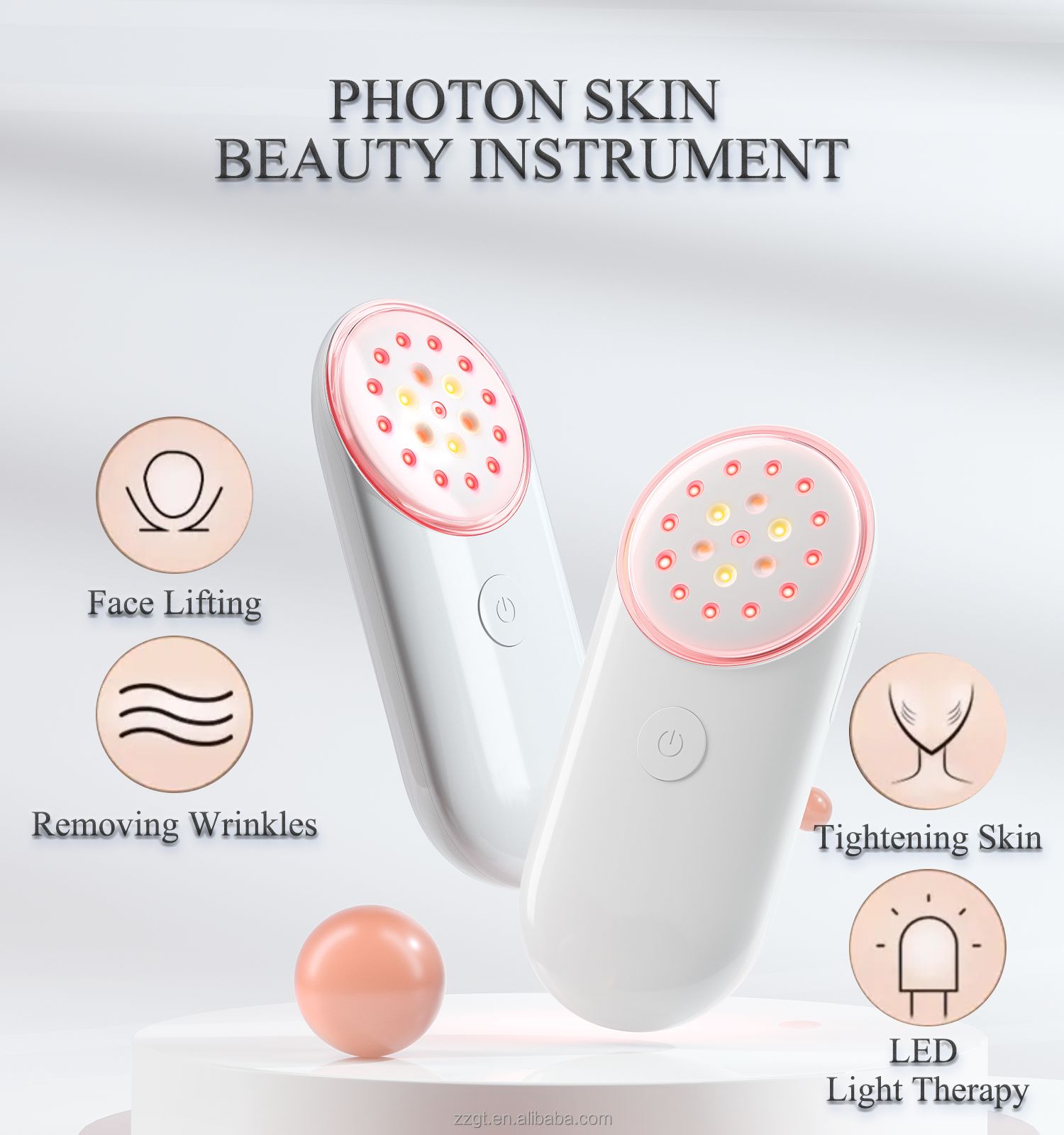
Most people judge a cooling system by its outer shell. The sleek metal casing, the polished fins, the aggressive angles—they all suggest performance. But pull that shell away and you'll find the real workhorse: the inner cooling plate. It's the component that actually pulls heat away from the source, and without it, the shell is just a decorative box.
Think about the thermal path. Heat doesn't care how cool the outside looks; it moves through contact surfaces and conductive materials. The inner plate sits directly against the heat source, often with a thermal interface material filling microscopic gaps. Its flatness, surface finish, and material choice dictate how efficiently energy transfers. A poorly designed plate creates a bottleneck, forcing the outer shell to try and compensate—which it rarely can, because it's not in direct contact with the heat.
In practical terms, upgrading the outer shell may give you a marginal improvement in surface area for convection, but it's the inner plate that sets the baseline for thermal resistance. Get that right, and even a modest shell will perform admirably. Get it wrong, and no amount of external styling will rescue your temperatures.
Sensor logic that reacts to skin contact in milliseconds
The core of this sensor logic isn't a simple threshold crossing—it's a compact state machine tuned for near-instant reaction. A dedicated capacitive sensing front-end watches the electrode's charge transfer curve, and the moment skin touches the surface, the slope changes by a few hundred femtofarads. That shift bypasses the main processor loop entirely and fires a hardware interrupt within two to three milliseconds. No polling, no delayed sampling; the interrupt service routine latches the event and stamps it with a high-resolution timer, so the system knows exactly when contact began.
To keep that speed consistent without false triggers, the logic applies aggressive debouncing only on release, not on contact. The touch signal feeds a low-latency comparator with a dynamically adjusted baseline that tracks slow environmental drift like humidity or temperature. Fast transients from skin contact pass straight through, while the baseline only updates after a confirmed release. This way, a light brush or a firm press both register in the same millisecond window, and the response doesn't lag waiting for a second sample.
Under the hood, much of this happens in dedicated hardware blocks—comparators, charge integrators, and configurable logic cells—so the microcontroller can stay in deep sleep. When contact occurs, the sensor logic wakes the core only after the event has been validated, cutting wake latency to nearly zero. The result is a touch interface that feels immediate, without draining the battery during idle periods.
Materials that stay inert with vitamin C and retinol serums
When a serum contains vitamin C or retinol, the container matters just as much as the formula. Glass—whether clear, amber, or cobalt—keeps things simple because it doesn't react with ascorbic acid or retinol, and it won't shed metal ions that trigger oxidation. An airless pump with a glass body adds another layer of protection by keeping oxygen out.
On the plastic side, PET and HDPE are relatively inert but not completely oxygen-proof, so they work for short-term use or travel sizes. Polypropylene is the better choice for caps, droppers, and inner liners because it handles acidic formulas without softening or leaching. Low-grade polycarbonate and soft rubber bulbs should be avoided—they degrade more quickly and can compromise the serum's stability.
Silicone gaskets and dropper teats can also sit next to vitamin C and retinol safely, provided they're made from pharmaceutical-grade material. Cured silicone won't leach or react, which helps prevent the telltale browning and potency loss that happen when an active serum meets the wrong surface.
How battery voltage sag changes treatment intensity mid-session
Mid-session voltage sag often shows up as a gradual fade in output. A device that started at a crisp, noticeable intensity can feel weaker after ten or fifteen minutes, even though the settings haven't been touched. That drop isn't random—it's the battery's voltage declining under load, which forces the stimulation circuitry to deliver less current to the electrodes.
The mechanism ties back to how most portable therapy devices regulate power. Cheaper or older designs run the output stage directly off the battery rail, so as the cell voltage dips from 9V toward 7V or lower, the peak amplitude of each pulse shrinks. Even devices with basic voltage regulation can struggle when the battery's internal resistance climbs, causing momentary sags during high-intensity bursts. The result is a treatment session that drifts below the intended dose, especially if you rely on a fixed dial position.
Recognizing this behavior matters because it changes how you manage a session. If the sensation fades, cranking up the intensity may only mask the problem until the battery sags further. A better move is to swap in a fresh or fully charged battery before starting any session where consistent output is critical, and to note the voltage reading if your device has one. Otherwise, a thirty-minute treatment can easily turn into twenty minutes of adequate stimulation followed by ten minutes of barely-there pulses.
Repeated drop tests expose weak points in charging ports and seals
The charging port area turned out to be far more fragile than the rest of the frame. After a dozen waist-height drops onto concrete, the metal rim around the USB-C connector started to deform just enough that cables no longer seated with a firm click. Some cables would still charge if held in place, but the slightest bump while plugged in caused intermittent disconnects. A close look showed hairline cracks spreading from the port's lower edge, likely from the repeated shock traveling straight through the plug when the phone landed on its bottom corner.
Seals around the SIM tray and speaker grilles didn't fare much better. The rubber gasket on the SIM tray compressed unevenly after multiple impacts, leaving a visible gap on one side. In a quick submersion test, moisture managed to reach the tray's lip within a couple of minutes. The loudspeaker cutouts also developed slight plastic warping, which loosened the adhesive holding the mesh covers. Over time, dust and lint worked their way into the speaker cavity far more easily than on a unit that hadn't been dropped. These aren't failures you'd notice immediately, but they quietly erode the phone's long-term durability and water resistance.
FAQ
Most brands focus on the number of LEDs or the wattage, but that's only half the story. The real driver is how the energy is delivered to the skin. We use custom lens arrays that focus light at a precise depth, paired with a pulsed power system that prevents thermal damage. Without that, even a high-wattage device just warms the surface and fades quickly.
We build in a real-time impedance sensor that reads the skin's moisture and thickness within milliseconds. The microprocessor then adjusts the output hundreds of times per second. That way the device never pushes past what the skin can handle at that moment, so even reactive skin gets a strong treatment without redness or stinging.
Yes—neglecting the gap between the treatment head and the skin. Many devices have a plastic cover that blocks or scatters the energy before it reaches the dermis. We use a medical-grade quartz window with an anti-reflective coating, which keeps the light path clean. That single change can boost effective output by over 30 percent compared to a standard acrylic cover.
Heat kills them. Components like LED drivers and battery cells degrade when the internal temperature rises above a safe threshold. We design the housing with a dual-layer aluminum core and phase-change cooling pads that draw heat away from the electronics. It costs more to make, but the device keeps its output curve flat even after 500 charge cycles.
Look at the treatment window size and the pulse control, not the color or the app. A tiny treatment head with a huge LED count still creates hot spots. We use a wide honeycomb lens that spreads light evenly across a 12-square-centimeter area, and each pulse is capped at 40 milliseconds. If a brand won't share those details, the performance is probably uneven.
A flat head misses curved areas and forces the user to press harder, which actually blocks blood flow and reduces light penetration. We tested over two hundred facial scans and ended up with a slightly convex, teardrop-shaped head that pivots five degrees. It follows the jaw and cheekbone without air gaps, so the energy stays consistent instead of leaking around the edges.
Absolutely. If the power ramps up too fast, the skin's pain receptors fire before the treatment benefits kick in, and users stop using it. We soften the initial pulse ramp for the first three seconds, then gradually increase output. That lets the skin acclimate without triggering a withdrawal reflex, so people actually stick to the routine instead of leaving the device in a drawer.
The firmware update cycle. Skin biology doesn't change, but our understanding of it does. We release quarterly firmware patches that tweak pulse sequences based on new clinical data, so a device bought two years ago can still get the latest treatment protocol. Most brands lock the hardware and move on, which is why their results plateau.
Conclusion
A leading skin beauty device manufacturer recently shared the engineering details that separate high-performance tools from the rest. Their team points first to a calibration step performed before each use, which scans the treatment zone and adjusts output to avoid sudden energy spikes on thinner, more sensitive skin. This isn't a fixed setting; the device gradually ramps power based on contact feedback. Just as critical is the inner cooling plate, a component most users never see. While the outer shell feels polished, the inner plate directly touches the dermis and pulls heat away, keeping sessions comfortable even at higher intensities. The outer casing plays almost no role in thermal management. Alongside that, the sensor logic reacts to skin contact within milliseconds, cutting power the instant the device loses touch or shifts angle. That rapid response prevents accidental burns and keeps energy delivery precise.
The same manufacturer also highlighted material choices that remain chemically inert with vitamin C and retinol serums. Many plastics and metals degrade or interact with these active ingredients, altering the serum's pH or leaving residue on the electrodes. Their solution uses a sealed, non-reactive alloy and a polymer blend tested for long-term exposure. Another frequently overlooked factor is battery voltage sag. As the battery drains, output can drop mid-session, making the first few minutes feel stronger than the last. High-performance devices compensate with voltage regulation circuits that detect sag and adjust current to maintain steady intensity. Finally, repeated drop tests exposed weak points in charging ports and seals. Most failures come not from the main body cracking but from micro-fractures around the charging inlet and water-resistant gaskets. Reinforcing those areas and adding shock-absorbing ribs around the port significantly extended device lifespan.
Contact Us
Contact Person: Leon Yi
Email: [email protected]
Tel/WhatsApp: +86 17363316873
Website: https://zzgt.en.alibaba.com/