

Rotary Concrete Reclaimer Services for Concrete Batching Plants: A Complete Guide
2026-08-28
Watching concrete trucks wash out at the end of a shift might feel routine, but every rinse sends valuable aggregate and slurry straight to the dump. There's a smarter way. Rotary concrete reclaimers are quietly transforming how batching plants handle returned concrete and washout, recovering materials that used to be lost. In this complete guide, we break down the services available, what a well-designed reclaimer actually does, and how Sinou helps plants turn a messy chore into a measurable ROI.
What a Rotary Reclaimer Actually Does to Your Returned Concrete
When a truck returns with leftover concrete, the rotary reclaimer doesn't just dump it somewhere—it spins the material through a series of screens and water jets. The rotating drum tumbles the wet mix, breaking it down so the sand and gravel are scrubbed clean of cement paste. This isn't a gentle rinse; it's a mechanical scrubbing that actually dislodges the fine particles from the aggregate surfaces, leaving you with separate piles of clean stone and washed sand.
What happens next depends on your setup, but the reclaimed aggregate typically goes right back into new batches. The cement-laden water and fine slurry get routed to settling ponds or filter presses, where the solids drop out and the water is recirculated for the next wash cycle. Some plants even recover the fines as a mineral admixture, though the quality varies. The key point is that the reclaimer turns what used to be waste into a continuous loop of usable material—provided you keep the screens clear and the water pressure consistent.
One thing people often overlook is how much this changes your mix design over time. Reclaimed aggregate isn't identical to virgin stone; it carries a thin coating of residual paste, which can affect water demand and slump. You learn to adjust for that slight variability, but the payoff is huge: less landfill fees, fewer raw material purchases, and a much smaller environmental footprint on every pour.
Why Most Batching Plants Underestimate Reclaimer Downtime
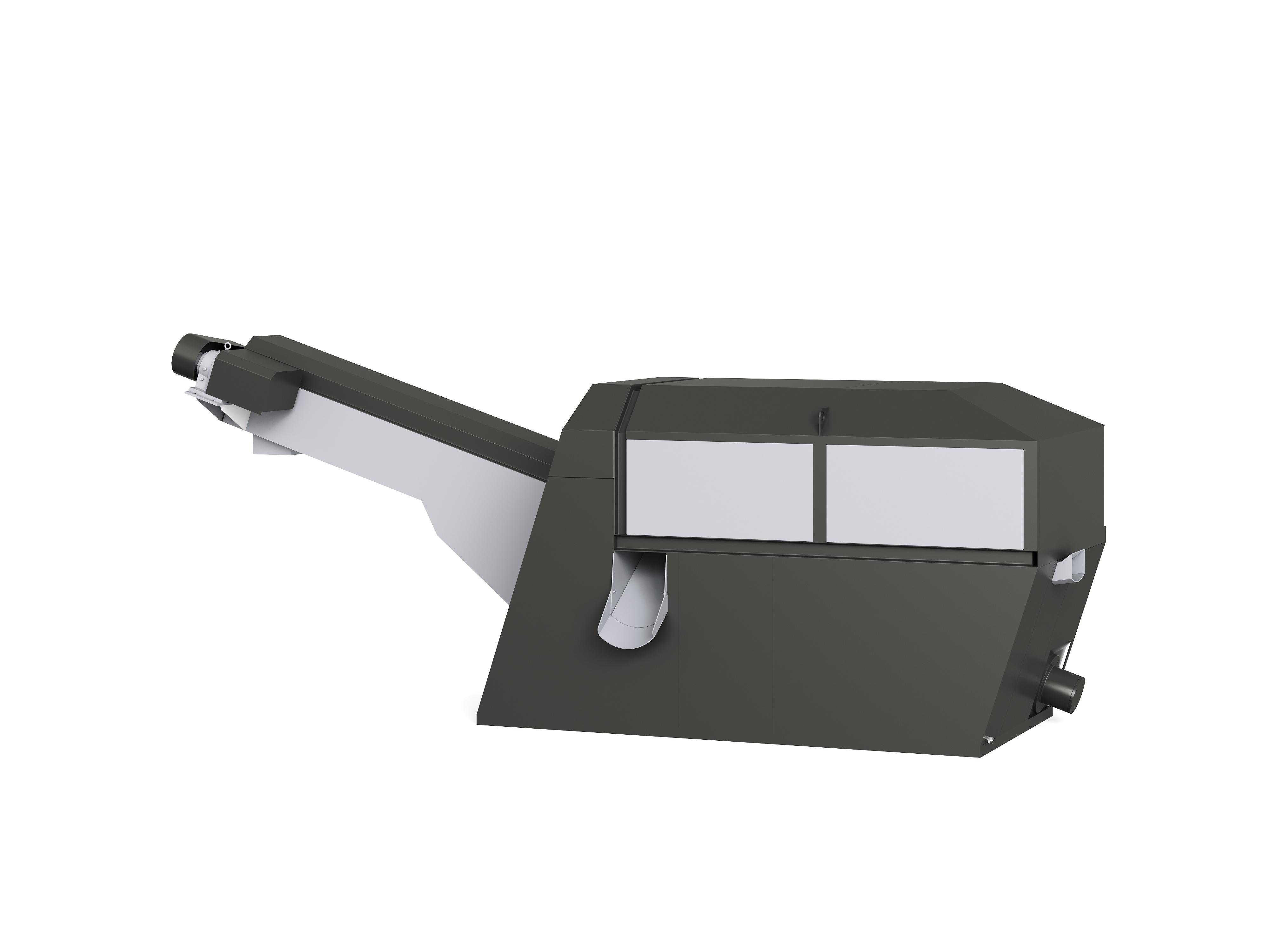
On the surface, a reclaimer looks like a supporting player next to the mixer or the cement silo. That perception alone is why so many plants get caught off guard. They budget for downtime based on the reclaimer's own repair history—maybe a failed seal here, a worn scraper there—without realizing that when it goes down, the whole production line grinds to a halt. Concrete trucks keep returning with leftover material, the washout area turns into a bottleneck, and suddenly the plant is paying for idle mixers and delayed deliveries. The reclaimer's downtime doesn't exist in isolation; it cascades through the entire operation in ways that rarely show up on a maintenance spreadsheet.
Part of the problem is how plants track failures. A motor that burns out gets logged as a four-hour repair, but nobody records the two days of slowed sludge removal before it failed, or the extra water and power wasted while the system limped along. Then there's the waiting: for a specific bearing to arrive, for a technician who actually understands the machine, or for a free moment when the plant can afford to stop production. Those waiting hours are invisible on standard downtime reports because they're classified as "scheduled" or "operational delay." Over a year, these overlooked pockets add up to a number far larger than the official maintenance log suggests.
What separates plants that truly understand reclaimer downtime from the rest isn't better luck—it's better measurement. They treat the reclaimer as a core production asset, not an afterthought, and they track the knock-on effects: how many trucks were delayed, how much aggregate had to be manually cleaned, how often the settling pond needed emergency pumping. One mid-sized plant in Ohio found that after installing simple runtime sensors on its reclaimer, their "minor" issues were actually costing them eleven production days per year. That kind of clarity changes priorities fast. Until plants start counting those hidden costs, they'll keep budgeting for a problem they're only half seeing.
Choosing a Service Team That Knows Your Mixer, Not Just the Machine
A mixer isn't a generic box of gears and paddles. It carries the quirks of your line, the wear patterns from years of specific doughs, the vibration habits that only an operator who runs it daily would notice. A service team that treats every unit like a manual diagram will swap parts and leave you with the same mystery. You want people who ask what you mix, how often, and what the machine sounds like on a cold start. That kind of knowledge doesn't come from a training binder—it comes from kneeling next to your mixer with a flashlight and actually listening.
Most maintenance crews can read an error code. Far fewer can tell you why the planetary head drifts slightly to the left on your third batch of stiff rye, or why the bowl lift groans after lunch shift but not in the morning. Those details matter because they're the difference between a repair that lasts three weeks and one that lasts three years. The right team keeps notes on your specific machine, remembers what was replaced last winter, and calls you when they spot a bearing running hot before it takes down a whole production day.
Don't settle for a vendor who only wants your serial number. Find people who walk the floor, get flour on their boots, and talk to your operators like peers. When your mixer is down, you're not paying for a generic fix. You're paying for someone who knows that your second speed has always engaged a little hard and adjusts their diagnosis accordingly. That's the service that keeps your line moving—and your sanity intact.
The Maintenance Schedule That Keeps Reclaimers Running Through Peak Season
A reclaimer that sits idle during peak season costs more than just lost hours—it strains the whole fleet. The most dependable operations don't wait for a fault code. They start each shift with a 15-minute walk-around: rotor teeth condition, conveyor belt tracking, hydraulic hose chafing, and coolant levels. Catching a cracked tooth or a loose tensioner before the machine hits the cut can prevent a two-hour midmorning shutdown that throws off the day's entire paving train.
Beyond the daily checks, smart crews build their weekly maintenance around actual engine hours and material type. Milling through limestone or heavily reinforced pavement wears the rotor and drum differently than soft asphalt, so hour-based intervals alone miss the point. Many experienced operators swap inspection intervals based on the project: after every 200 hours in abrasive material, they check the drum bearings and replace the scraper blades, even if the manual says 250. That kind of adjusted schedule keeps the reclaimer cutting true and prevents the vibration that slowly cracks mounts and housings.
Documentation is the quiet backbone of the whole plan. Instead of a generic checklist, foremen keep a rolling log that notes what was replaced, the machine's vibration signature, and any leaks or odd noises from the last shift. Over a month, that log reveals patterns—like a hydraulic filter clogging ahead of schedule—so the repair happens in the yard on a Friday afternoon, not on a Tuesday with trucks queued behind the reclaimer. Peak season doesn't forgive guesswork, but a maintenance schedule built on daily discipline, material-specific intervals, and honest notes gives a reclaimer the best chance to run every hour the weather allows.
How Reclaimer Upgrades Cut Waste Without Adding Extra Steps
Older reclaimers often waste material through a cycle many crews treat as routine: if the first pass doesn't hit spec, you run it again or blend in fresh aggregate. Upgraded reclaimers step around that cycle by putting smarter controls at the point of contact. Real-time sensors adjust rotor speed, depth, and spray bar flow on the fly, matching the exact condition of the material instead of relying on a preset. The result is a first-pass output that stays within the target envelope far more often, so the pile that used to sit off to the side for reprocessing never gets created.
Some of the biggest waste cuts come from tooling geometry rather than added machinery. New tooth profiles and segmented rotor designs break material into the required gradation in a single reduction, leaving fewer oversized pieces that would normally be screened out and returned. Because these changes fit inside the existing drum and housing, there is no extra conveyor, no secondary crushing step, and no need to stop for a manual quality check. The upgrade simply makes the first pass do more of the work.
Maintenance upgrades also quietly remove a different form of waste: downtime and partial batches. Sealed bearing housings, automatic greasing points, and abrasion-resistant liners keep the machine running longer between stops, which means fewer half-processed windrows that dry out or get contaminated while the crew waits. By treating wear as a design flaw instead of an operating cost, these upgrades keep material moving from cut to compacted lift without the small interruptions that used to add up to big tonnage losses.
Signs Your Current Reclaimer Service Is Quietly Costing You Money
Take a close look at your latest invoice. If the line items have gradually shifted—maybe a vague “service adjustment” fee or a modest uptick in per-ton processing charges—you're probably dealing with a reclaimer that banks on your inattention. Many contracts include auto-renewal clauses with built-in escalators that kick in without a clear heads-up. By the time you notice, you've already paid months of inflated rates for the same basic hauling and sorting.
A more insidious drain comes from low recovery yields. When your reclaimer isn't investing in proper sorting technology or staff training, valuable materials like clean corrugated cardboard or specific plastics end up in the residual waste stream. You're effectively paying twice: once to have the material collected, and again because you lose the rebate or resale value that a competent processor would have captured. Ask for a detailed mass balance report—if they can't or won't provide one, that silence is costing you.
Watch out for maintenance and equipment charges that don't match reality. Some reclaimers will bill for “preventive maintenance” on compactors or balers that rarely get serviced, or they'll recommend frequent part replacements that aren't needed. If your on-site equipment seems to break down more often after they've “serviced” it, you may be funding their parts inventory rather than your own uptime. Compare their maintenance log against your own operational records; discrepancies are a reliable sign of leakage.
FAQ
It separates leftover concrete from truck mixer washout into reusable sand, aggregate, and water. The drum rotates while high-pressure spray nozzles break down the returned concrete, letting the heavier stone settle out first and the sand separate further along. The cement slurry water is then pumped to a holding tank for later batching.
For a mid-sized plant running 20 to 30 mixer trucks, a rotary reclaimer usually recovers between 2,000 and 4,000 litres of water daily. That water goes straight back into the batching process, which can cut a plant's total fresh water demand by roughly 30 to 40 percent depending on how much returned concrete you handle.
Watch for slowing drum rotation, uneven sand discharge, or a drop in water spray pressure. You might also hear grinding from worn drive chains or see slurry overflowing the inlet hopper. If the recovered aggregate comes out with too much cement coating, the spray nozzles are probably clogged and need cleaning or replacement.
Rotary reclaimers handle higher volumes and larger aggregate sizes without jamming. The tumbling action scrubs the stone more aggressively, so you get cleaner aggregate and less cement build-up. Screw reclaimers are cheaper upfront but tend to struggle with clay-heavy mixes and need more frequent auger repairs.
A solid contract covers quarterly drum inspections, nozzle and bearing lubrication, chain tension checks, and emergency call-out within 48 hours. Make sure it includes wear-part replacement like scraper blades and seals, plus a report on recovered material quality. Avoid contracts that only offer an annual visual check — that's not enough for daily use.
Yes, but you need to inform the service provider about the fibre type. Steel and macro synthetic fibres can tangle around the drum flights, so the reclaimer may need a modified screen or more frequent manual cleaning. Most modern rotary units cope with standard dosages of plasticiser and retarder without any adjustment.
Under normal operation, replace spray nozzles every 6 to 9 months and wear blades every 12 to 18 months. If your plant runs more than 12 hours a day or handles highly abrasive aggregates, expect to swap them sooner. Keep a spare set on site because a failed nozzle quickly leads to cement build-up on the drum wall.
The slurry water contains fine cement particles and is stored in an agitation tank to prevent settling. When reused, you need to account for its density and adjust the mix design — typically replacing 10 to 20 percent of the total mixing water. It's safe for most non-structural and structural concrete as long as the slurry density stays within ASTM or local standards.
Conclusion
A rotary concrete reclaimer earns its keep by separating aggregate and sand from returned concrete, returning both to your stockpiles and leaving only slurry water for reuse. That sounds straightforward until a unit goes down in the middle of a pour schedule. Most batching plants treat reclaimer downtime as a nuisance rather than a production risk, but every hour the drum sits still forces drivers to wait in line or dump waste elsewhere, eating into margins without anyone logging the true cost. A service crew that knows your specific mixer model and your plant's batching rhythm can spot the difference between normal wear on the spiral flights and a developing bearing failure before it strands a load.
Keeping a reclaimer running through peak season is less about heroic emergency calls and more about a maintenance schedule that matches actual cycles: blade clearances checked weekly, water spray bars descaled monthly, and drive components greased on a calendar that doesn't slip when orders spike. On the upgrade side, small changes like adjustable weir heights or better fines recovery screens cut waste without adding operator steps, so the reclaimer handles returned mud without hand-holding. If your service invoices keep showing the same repaired part or your washout area grows a standing pile of unprocessed returns, that's a quiet signal the current service contract is costing more than it saves. The best reclaimer service keeps the drum turning so your trucks keep moving, and it shows up with a plan, not just a wrench.
Contact Us
Contact Person: HaiYan
Email: [email protected]
Tel/WhatsApp: +86 18957325588
Website: https://www.senyoubeton.com/