

Portable Air Purifier Manufacturer: Key Factors to Evaluate Before Partnering
2026-09-06
Most sourcing teams treat portable air purifier manufacturers like interchangeable vendors—until a batch fails certification or delayed shipments eat into launch timelines. The truth is, evaluating a manufacturing partner before you commit is where your product’s reputation is won or lost. From filter integrity to regulatory nuance, the gaps aren't always obvious on paper. In this post, we break down the key factors that separate dependable partners like LUFUTATECH from the rest—and why skipping these checks can cost far more than a unit price.
Factory Floor Checks That Reveal True Production Capacity
Walk the floor during a normal shift and follow the physical flow instead of the dashboard. Piles of work-in-process gathering before a specific machine often point to a bottleneck that nominal cycle times don't capture. If operators are stacking parts on the floor or improvising buffer areas, the line's real capacity is already being set by that constraint. Counting how many units actually clear that point per hour tells you more than any planned rate.
Pay attention to changeovers and small stops, not just breakdowns. A press or filler that runs at 90% of nameplate speed but takes forty minutes to switch between SKUs loses more output than a slower machine with a ten-minute tool change. Watch how crews handle material shortages or minor jam-ups. Long pauses for missing labels, waiting on a forklift, or reworking a bad batch eat capacity invisibly. These interruptions rarely show up in standard OEE reports.
Last, ask the people on the line why they run at the pace they do. Listen for workarounds, overrides, or routine alarms that get ignored. If they don't trust a gauge or have learned to run a machine below setpoint to avoid jams, that detuned rate is your actual capacity. Track output at shift end against what was recorded hourly. Discrepancies between the two often expose losses that a spreadsheet won't reveal.
Filter Sourcing and Why It Impacts Every Unit You Sell
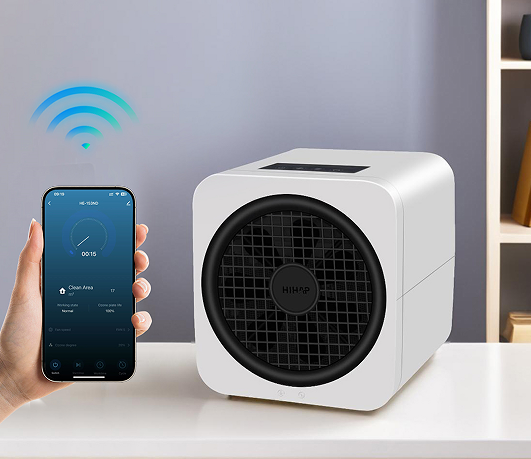
A filter looks like a simple spin-on or drop-in part, but where it comes from quietly decides how long your machine stays in the field before a tow truck shows up. Cheap media with inconsistent pore sizes lets fine grit slip through, and that grit finds its way into bearings, injectors, or valve seats. Once that damage starts, no warranty wording can undo a customer's broken-down morning.
The real problem isn't just a single failed filter; it's the batch-to-batch drift that comes from sourcing without clear specs on media weight, pleat count, and seal compound. One shipment might hold up fine. The next could shed fibers, collapse under heat, or leak at the gasket. By the time those units are sold, installed, and failing in different regions, you're not chasing a part number—you're chasing a reputation.
Treat filter sourcing as a design decision rather than a purchasing afterthought. Ask who actually made the media, how the bypass valve is calibrated, and what happens to efficiency at hour 400 instead of hour 4. Every unit you ship carries that choice with it, and customers don't remember the spec sheet. They remember whether the machine kept running.
Certification Claims Worth Verifying Before You Commit
A lot of training providers, software vendors, and professional bodies flash badges and acronyms, but not all certifications carry equal weight. Before paying or signing up, ask for the exact issuing organization and certificate number. A quick check with the accrediting body can reveal whether the program is still in good standing, or if the logo is just decorative.
Some claims rely on wording that sounds official but means little. "Nationally recognized" or "industry approved" can be used without any third-party audit. Look for named institutions, verifiable standards, or published examination requirements. If the provider hesitates to share a sample certificate or a list of certified graduates, treat that as a warning sign.
Also watch for certifications that are tied to a single vendor's product but marketed as general professional credentials. They may have value in specific workplaces, but they won't necessarily transfer. It's worth comparing the hours of study, renewal fees, and continuing education obligations before you commit to something that looks impressive on a website but won't hold up in a hiring manager's review.
Customization Limits Most Buyers Discover Too Late
Most buyers assume they can tweak everything after purchase, but reality hits hard when they realize the core structure is locked. The chassis layout, internal cable routing, and even the position of the main control panel are often fixed from the factory. Changing them later means cutting, drilling, or rewiring that voids warranties and introduces new failure points.
Another quiet limit shows up in the software. The interface might look flexible, but many parameters are pre-set for average use cases. You can adjust brightness or timing, but not the underlying logic that dictates how the system reacts under load. That means you end up adapting your workflow to the machine, not the other way around.
Finally, modular upgrades are rarely as open as the marketing suggests. Proprietary connectors, odd voltage rails, or custom mounting brackets mean you cannot simply swap in a standard component. You are tied to the original maker's ecosystem, and if they discontinue a part, your customization path ends abruptly.
Negotiating Minimum Orders and Lead Times Without Surprises
When suppliers quote a minimum order quantity, treat that number as an opening position, not a fixed rule. Ask what drives the threshold—tooling costs, packing runs, raw material batches—then propose a smaller first order with a commitment to a larger follow-up within a defined window. This shifts the conversation from refusal to sequencing, and suppliers often accept because they retain the volume over time.
Lead times hide most of their surprises in the gaps between production steps, not in the final assembly. Request a breakdown showing when materials are pulled, when each stage starts, and where queues typically form. Then negotiate a buffer only on the stages that historically slip, not across the entire timeline. This keeps your promise dates realistic without building in lazy padding that suppliers will use against you later.
Lock the negotiated terms into a simple written recap after every call: the agreed minimum, the phased delivery schedule, and the penalty or expedite path if a deadline moves. Send it the same day while details are fresh. Suppliers rarely push back on a clear summary, and you create a paper trail that prevents the quiet drift back to their original, less favorable numbers.
What Happens After Delivery: Spare Parts and Support
The moment a machine lands on your floor, the real test begins. Downtime isn't an abstract risk—it's measured in lost shifts, missed deadlines, and idle crews. That's why the spare parts conversation should start long before the first bolt loosens. Smart buyers ask for a recommended spares list tied to actual failure data, not a generic catalog dump. They want to know which components are most likely to wear, where those parts are stocked, and how quickly they can reach the site when a line stops.
Support after delivery is rarely about a single phone number. It's about whether the person answering knows your machine's serial number, your operating conditions, and the last service visit. Some suppliers hand you a manual and disappear. Others assign a named engineer who stays with you through commissioning, seasonal peaks, and the first major overhaul. The difference shows up at 2 a.m. when a sensor fails and someone actually picks up the phone.
Warranty terms deserve a closer look than most buyers give them. Does the coverage include labor or just parts? Are wear items like belts, filters, and seals excluded? How long do you wait for a replacement after a claim is approved? These details determine whether a support promise holds up when production is down. A supplier that stocks regional spares and offers remote diagnostics can turn a potential stoppage into a brief pause.
FAQ
Look beyond ISO 9001 for IEC 60335-2-65 safety testing, CARB EO# for ozone emissions, and Energy Star verification for DC motor efficiency. A factory that already holds these for existing models saves months of re-engineering.
Request sound power measurements at 30cm in a semi-anechoic chamber, not just dB(A) at 1m. Ask for the fan curve at 50% PWM and check if airflow stays above 10 CFM while noise stays under 35 dB. Also request a full discharge test with the filter loaded to 50% dust capacity.
Mismatched screw torque marks, inconsistent filter frame glue lines, or PCBs with hand-soldered rework. These often mean the production line isn't using calibrated fixtures, so the next batch may not match your approved sample.
Ask the factory to send cutaways of the HEPA layer and weigh a 10cm x 10cm square. Check the pleat count per inch and whether the meltblown layer is uniform under a light box. Cheap media often hides low pleat density or uneven polymer distribution.
Split the critical custom parts across two suppliers, keep the firmware locked with a unique ID handshake, and use a mold agreement that assigns ownership of any tooling modifications. Also avoid sharing full CAD for the outer shell if only the filter housing is novel.
Battery shipping compliance (UN38.3, MSDS for lithium cells), carton drop test results for the final retail box, and whether the unit can pass ISTA 3A without the filter rattling. Also confirm the factory's export license covers air purifiers with ionizers, which some countries restrict.
Insist on a 200-unit pilot with your own QC inspectors present. Track not just functional failures but cosmetic issues like dust trapped under the front grille, uneven UV coating on the control panel, or loose USB-C ports. A factory that catches these at source usually reports a first-pass yield above 97%.
Map the actual bottleneck: HEPA filter lead time, ABS housing mold trial, and PCBA firmware test cycles. Request a Gantt chart with buffer for mold corrections. Factories that promise 30 days but have 45-day filter suppliers are usually hiding a rush surcharge or use lower-grade media.
Conclusion
Before signing with a portable air purifier manufacturer, a walk through the actual production floor tells you more than any brochure. Look beyond the assembly line speed—check how raw materials are stored, whether quality control stations are staffed by experienced inspectors, and if the facility can scale without chaos. Equally critical is where filters come from. A manufacturer that sources HEPA media from unknown suppliers or switches grades between batches will quietly erode your product's performance and reputation. Demand traceability on every filter lot. Certification claims also deserve hard proof: ask for the lab test reports behind CADR ratings, not just logos on a spec sheet, and verify that the certifying body is accredited for your target markets.
Customization often becomes a trap when buyers assume any logo or color change is simple. Ask upfront about tooling costs, minimum order quantities for custom housings, and how design tweaks affect lead times. Speaking of orders, negotiate MOQs and production schedules with a buffer—many factories promise four weeks but deliver in eight once material delays hit. Clarify penalties for late shipments in writing. Finally, map out the post-delivery relationship: who stocks spare motors and control boards, how fast replacement filters ship, and whether technical support is available in your time zone. A factory that disappears after the invoice is paid will cost you far more than a slightly higher unit price from a partner that stands behind every purifier sold.
Contact Us
Contact Person: Paul Luo
Email: [email protected]
Tel/WhatsApp: 0086-19966314501
Website: https://www.lufutatech.com