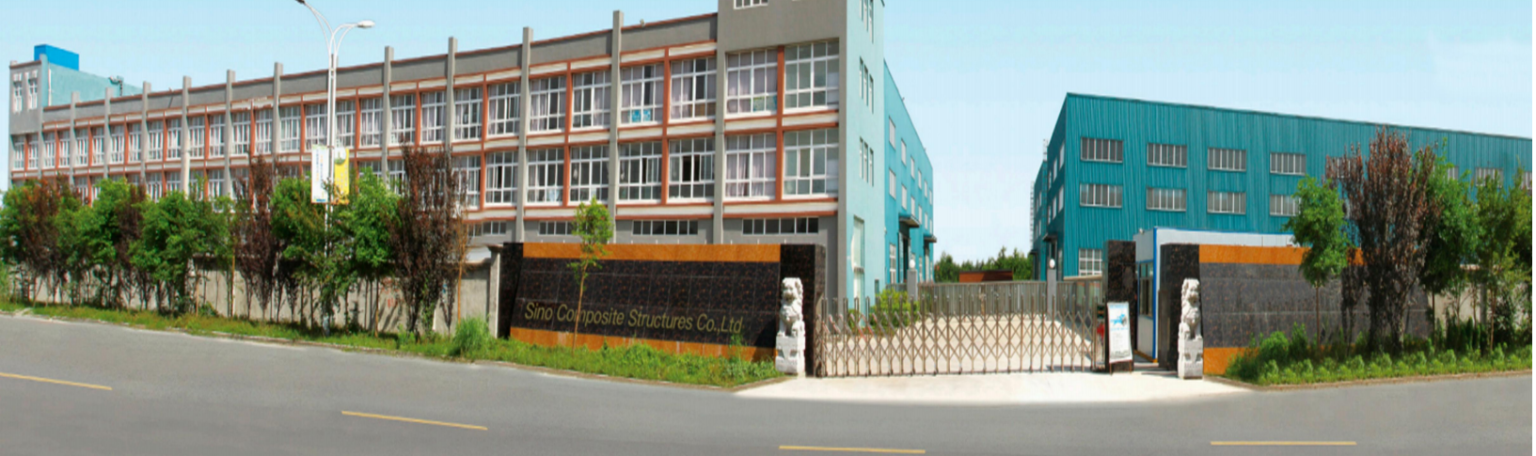

Plank Grating Factory Tour Highlights Safety and Precision Manufacturing
2026-09-11
Stepping onto the floor of Sino Grating’s plank grating factory, the first thing that strikes you isn’t the hum of machinery—it’s the seamless choreography of safety protocols and precision engineering. Every weld, every cut, and every quality check tells a story of a manufacturer that treats each grating panel as a critical component, not just a commodity. Join us as we walk through the highlights of a tour that reveals how safety and precision aren’t mere buzzwords but the very DNA of the production line.
Before the Tour Begins, a Safety Ritual Sets the Tone
Most operators hand you a waiver and hurry you onto the trail. Not here. Before anyone clips into a harness or swings a leg over a saddle, the crew gathers everyone in a loose circle near the gear racks and runs through a fifteen-minute ritual that feels less like a lecture and more like a shared exhale.
Helmets are fitted one by one, straps adjusted until they sit snug but not pinching. The lead guide repeats the day's route using a hand-drawn map, marks the spots where footing gets loose, and asks each guest to name one thing they're watching out for. It slows the start, but by the time the actual tour begins, nobody is quietly wondering what they forgot to check.
Where Steel Bars Line Up Within a Hair's Width
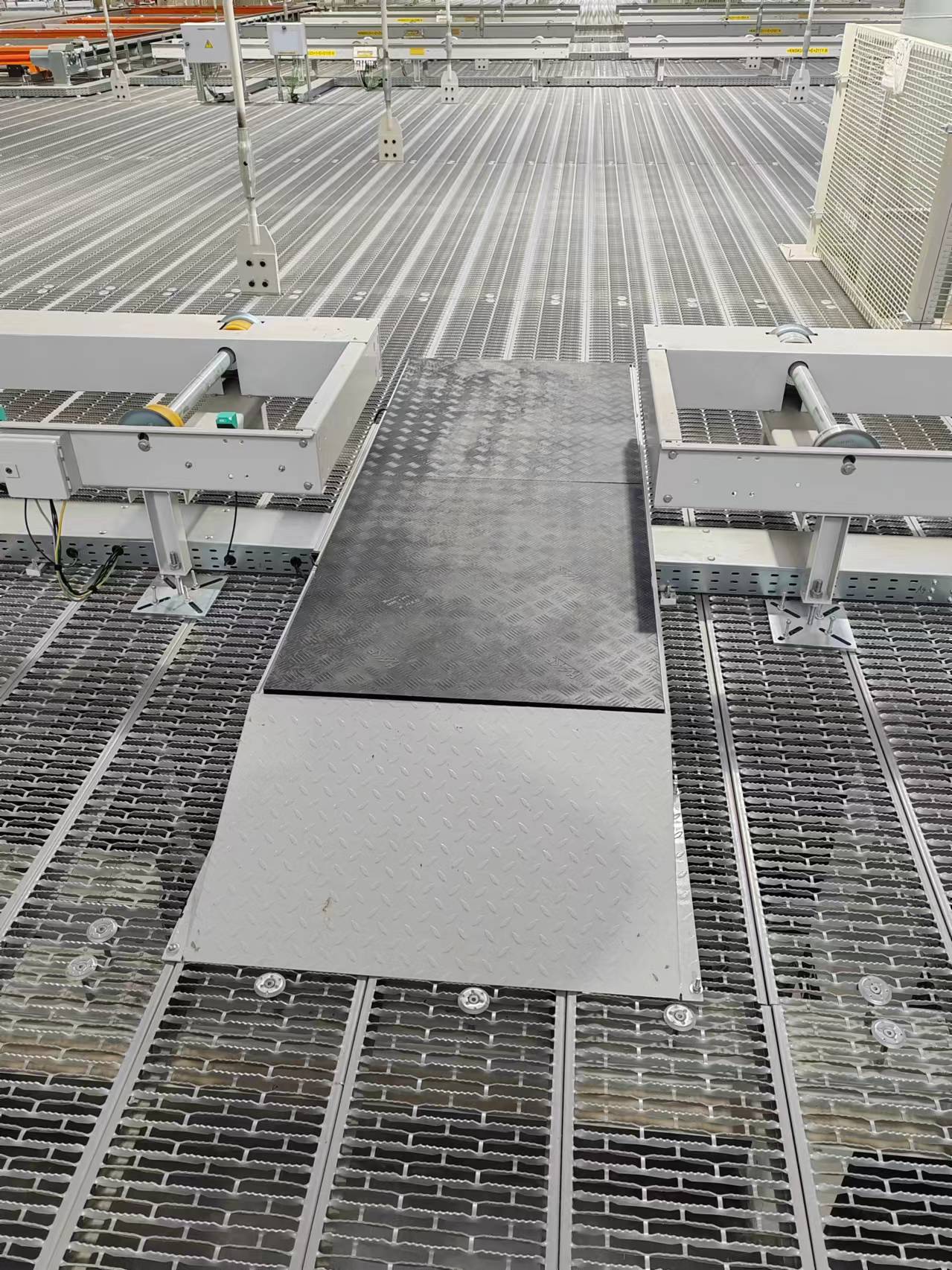
The alignment bay doesn't look dramatic at first glance. Rows of steel bars rest on powered rollers, each one nudged forward until the gaps between them shrink to something you'd need a micrometer to appreciate. A human hair measures roughly seventy microns across; the spacing here is held to half that on a good day, and nobody treats that as remarkable anymore.
What makes the precision possible isn't a single clever machine but a chain of small corrections. Laser sensors sample the position of every bar as it enters the lineup, and servo-driven stops make adjustments in increments that are easy to ignore on a spec sheet. Operators keep an eye on the readouts, but they rarely have to intervene. The system is tuned to chase consistency, not speed, which is why the line moves with a kind of patient rhythm.
This level of alignment matters more than it seems. When bars are stacked or bundled for the next stage, a few stray microns can turn into visible waves across a pallet. Keeping them within a hair's width means downstream cutting and coating steps behave the same way every shift. It is not the flashiest part of the mill, but it is the place where care becomes measurable.
The Welding Stations Built to Reduce Human Error
On a busy production floor, the difference between a clean weld and a costly rework often comes down to how much the station itself controls. These welding stations aren't just tables and clamps; they're designed around the person using them. Torch guides, preset angles, and locking fixtures remove the need for welders to eyeball critical measurements, which dramatically cuts the chance of misalignment or inconsistent bead placement.
Instead of relying on memory or experience alone, operators work with stations that embed correct parameters directly into the setup. Digital readouts, color-coded clamping points, and pre-calibrated arm positions mean each joint is prepared the same way every time. That consistency is what keeps human error low—not by making the welder faster, but by making the correct action the easiest one.
Even small additions like foot pedals that lower the hood, or fixtures that only accept the part in one orientation, quietly prevent mistakes before they happen. Over a shift, these built-in safeguards add up, reducing wasted parts and rework while letting welders focus on the arc rather than the arithmetic.
Why Load Testing Happens in Full View of Visitors
Load testing in front of real visitors happens because synthetic traffic can't imitate the messy, unpredictable ways people actually use a site. A staging environment might handle a scripted spike, but it won't reveal how a sudden rush of mobile users on patchy connections interacts with a database that's also serving background jobs.
Exposing the test to live traffic forces teams to watch the system under genuine strain, which often uncovers problems that never appear in isolation—like a cache stampede or a connection pool exhaustion triggered by real session patterns. Yes, there's a chance some visitors will see slower responses, but that's usually managed by limiting the test to a small slice of traffic or running it during off-peak hours.
The practice isn't about showing off resilience; it's about accepting that the only reliable proof of performance comes from the chaos of real use. When done carefully, the temporary visibility is worth the confidence gained in return.
A Walk Through the Finishing Area Where Edges Get Sealed
The air in the finishing area carries a faint chemical sweetness, mixed with the low drone of exhaust fans pulling fumes away from the workbenches. Here, every panel that comes off the main line gets turned over, inspected, and run through the edge-sealing process. The operators move with a practiced rhythm, running foam brushes or small rollers along each raw edge, making sure the sealant soaks into the fibers instead of just sitting on top. It's the kind of step that's easy to skip when production gets rushed, but down here, nobody rushes.
Along the far wall, a rack of freshly sealed boards sits on angled drying carts, each piece spaced so the edges don't touch while the sealant cures. You can see the difference immediately: a sealed edge has a slightly darker sheen, almost waxy, and when you run a fingernail across it, it resists instead of fraying. The team uses a two-coat method for high-moisture applications, letting the first coat flash off before applying the second. It adds an hour to the job, but the result is an edge that won't swell, split, or wick up water later.
What stands out most is how quiet this area is compared to the cutting and sanding stations upstream. No saws, no dust clouds—just the soft sound of brushes on wood and the occasional clink of a tin being reopened. A checklist hangs at the end of each bench, and every operator initials the row after finishing a batch. If a board doesn't pass the visual check, it goes back to the sander before sealing starts again. It's a simple loop, but it's the reason these panels hold up in bathrooms, kitchens, and anywhere else water finds a way in.
The Final Inspection That Lets Only Flawless Panels Leave
Every panel passes through a bank of high-resolution cameras and laser profilometers that map the surface in micron-level detail. The system flags anything from a faint ripple in the coating to a sub-millimeter edge chip that most eyes would never catch. Operators then review each flagged image on dual monitors, zooming in on the exact coordinates where the anomaly sits. If a panel fails even one of the 47 checkpoints, it's routed off the line before it ever reaches packaging.
What makes this step different isn't just the equipment—it's the refusal to accept borderline cases. A panel with a 0.03 mm deviation might technically pass spec, but if the camera sees inconsistent grain or a slight color shift under angled light, it gets pulled. That strictness explains why the reject bin near the end of the line is often fuller than the shipping cart. Each rejected unit is logged with its serial number, defect type, and exact machine station, so the same flaw doesn't quietly appear in the next batch.
The result is a simple promise: if a panel leaves this station, it has already survived scrutiny that goes beyond the customer's measuring tools. No hidden repairs, no touch-up paint, no "close enough." Just raw material that earned its place on the pallet.
FAQ
Each cutting station uses laser-guided measuring arms that recalibrate at the start of every shift. Operators verify dimensions against digital templates, and the tolerance for most orders stays within plus or minus 0.5 millimeters.
New hires complete a three-day onboarding that covers lockout-tagout procedures, proper lifting techniques for heavy grating panels, and a hands-on simulation with the punch press. They are only cleared for independent work after passing a practical assessment with a floor supervisor.
Yes, the tour route passes through the inspection bay where random samples from each batch undergo load testing and weld integrity checks. A digital display shows real-time rejection rates, which usually stay below 0.3 percent.
The factory mainly works with galvanized steel, stainless steel, and aluminum. Each material has a dedicated storage zone to prevent cross-contamination, and the galvanizing line runs a double-dip process for coastal projects that need extra corrosion resistance.
Schedules are split into standard runs and custom blocks. Standard grating moves through automated welding cells, while custom orders go to a flexible bay where technicians use CNC plasma cutters and manual fitting jigs. The shift planner reviews backlog every two hours to avoid bottlenecks.
The cutting and grinding area is enclosed with negative air pressure, pulling fumes through cartridge filters. Noise levels at operator stations are kept below 80 decibels using acoustic panels and vibration-dampened mounts on the presses.
In the past year, the factory replaced two older stamping lines with servo-driven presses that reduce setup time by roughly 40 percent. There is also a new automated deburring machine that gives edges a smoother finish without hand grinding.
Scrap steel and aluminum are sorted into marked bins and sent to a local recycler on a weekly schedule. Cutting fluid is filtered and reused, and the coolant recycling unit recovers about 90 percent of the original volume.
Conclusion
Walking through the plank grating factory, the first thing that hits you isn't the machinery—it's the ritual. Before anyone steps past the yellow line, there's a safety briefing that feels less like a formality and more like a shared agreement. Hard hats, gloves, and eye protection are checked one by one, and the guide pauses to explain why each rule exists. That kind of deliberate start carries through the rest of the tour.
On the floor, steel bars are lined up with a tolerance so tight it's measured in fractions of a millimeter—barely a hair's width. The welding stations are built around jigs and guides that remove as much human guesswork as possible, so each joint lands where it should. Visitors watch load testing happen right in the open, with weights pressing down on a sample panel while the team reads the deflection numbers aloud. Then comes finishing, where edges are sealed against moisture and wear, and finally a last inspection under bright light. Panels that show any flaw, no matter how small, get pulled aside. By the time you leave, it's clear that the factory's real product isn't just grating—it's the discipline to make precision feel routine.
Contact Us
Contact Person: Nicholas Zhu
Email: [email protected]
Tel/WhatsApp: 18921275456
Website: https://www.sino-grate.com