

OEM Silicone Swim Fins for High-Performance Custom Swim Gear
2026-09-20
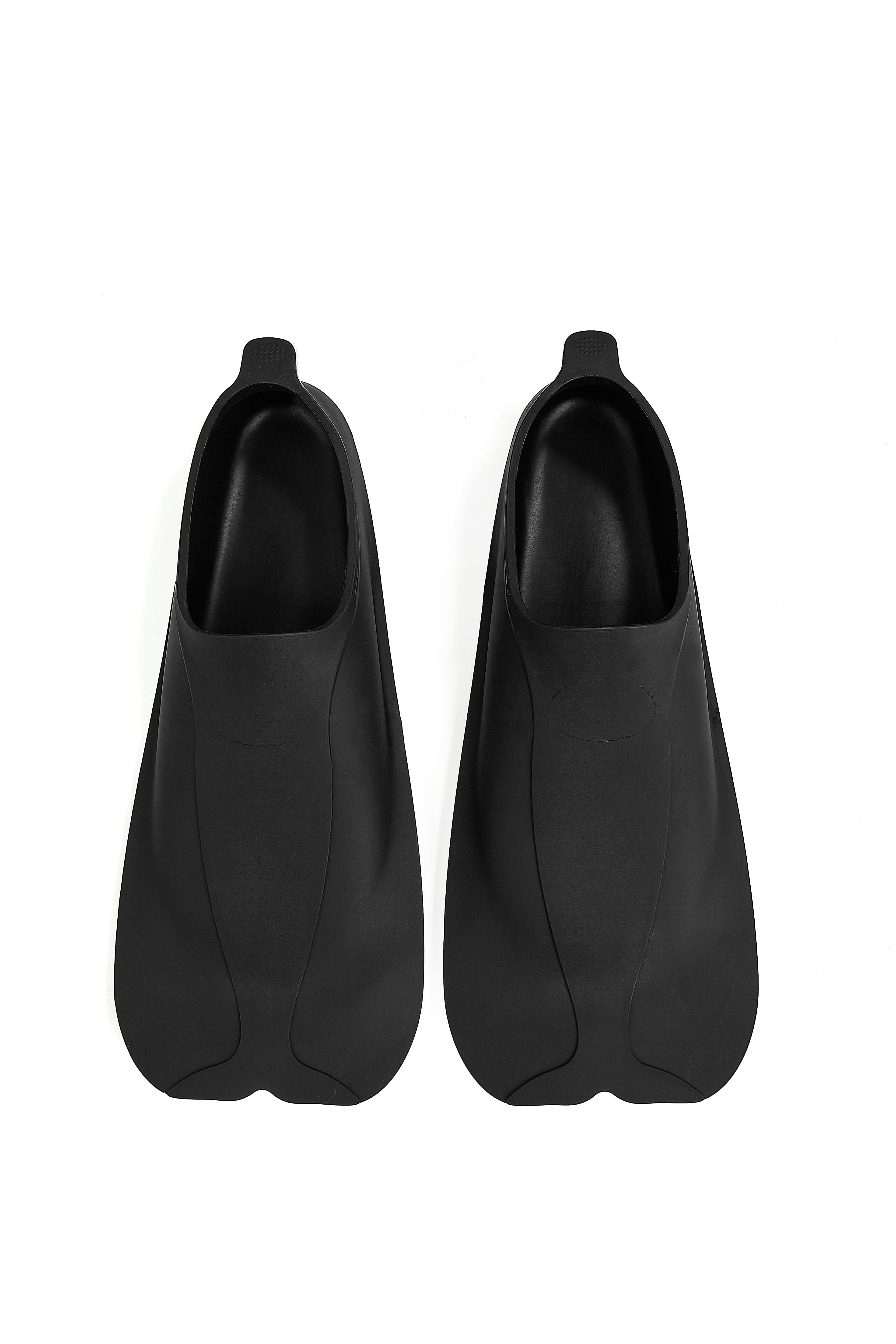
When it comes to high-performance swim gear, most off-the-shelf fins force a compromise. But what if your next pair could be built around your exact specifications? From blade stiffness to foot pocket geometry, OCORT OEM silicone swim fins turn custom ideas into competition-ready reality. Whether you're a brand looking to stand out or a serious swimmer chasing marginal gains, this is where tailored propulsion starts.
The Case for Silicone Over Rubber in Custom Swim Fins
When you slip your feet into a pair of custom swim fins, the material matters more than most swimmers realize. Rubber has long been the default choice, but it carries a stiffness that fights against the natural flex of your foot. Silicone, by contrast, moves with you. It bends where your arch bends, resists fatigue over long sessions, and returns to shape without the cracking or hardening that rubber develops after repeated exposure to salt and sun. That difference isn't just about comfort—it changes how efficiently each kick translates into forward motion.
Custom fins are supposed to fit like a second skin, and silicone is simply better at holding a precise mold. Rubber tends to shrink and warp as it ages, pulling away from the foot pocket and creating hot spots. Silicone maintains its dimensions season after season, which means the fin you break in on day one still fits the same after a hundred dives. For anyone investing in a bespoke pair, that longevity is the whole point. You're not buying a replaceable training tool; you're buying something shaped to your foot alone, and silicone honors that shape far longer than rubber ever could.
There's also the matter of how the material feels against bare skin. Rubber grips too aggressively, sometimes causing blisters or chafing during extended use, especially in warm water. Silicone has a softer, almost velvety surface that reduces friction without sacrificing control. It's gentler on the heel and toe edges where fins typically rub. Once you've spent an afternoon in silicone custom fins, going back to rubber feels like stepping into a pair of old tires. The performance gain isn't just imagined—it's felt in every relaxed glide and every painless exit from the water.
Inside the OEM Process From Mold to Market
The mold sits at the center of every OEM decision, though it rarely gets the attention it deserves. Before a single unit rolls off the line, design teams lock in tooling geometry, gate placement, and cooling channels. These choices aren't cosmetic—they determine cycle times, part consistency, and whether the project survives cost reviews. A well-cut mold can hide a thousand sins in the supply chain; a sloppy one guarantees rework from day one.
Once the steel is cut and the first shots are tested, the real negotiation begins. OEM engineers and mold makers argue over tolerances in tenths of a millimeter, then tear apart sample parts looking for sink marks, warpage, or flow lines. Each iteration cycles back through polishing, EDM adjustments, or hot runner tweaks. It's slow, expensive, and nobody writes press releases about it. Yet this loop is where a mediocre product becomes one that reaches the shelf without recalls or quiet supplier swaps later.
From validation to mass production, the mold quietly dictates how the launch goes. Packaging designers rely on exact part dimensions; assembly lines count on snap fits and screw bosses holding true. When the final crates ship, the mold's fingerprints remain on every unit. OEMs that treat mold development as a cost to minimize usually pay for it in warranty claims or late launches. The ones that get it right never have to explain why their product looks better in person than in the CAD render.
Design Levers Most Brands Overlook in Swim Fin Geometry
Most fin makers chase surface area or stiffness ratings, but the real tuning happens in the curvature of the blade's underside. A subtle convexity near the toe pocket changes how water sheets off the edges, which in turn alters the kick's snap without adding drag. Flat-blade profiles feel stable but leave a dead zone in the middle of the stroke; a barely visible rocker line can keep the fin loaded throughout the downbeat.
Another neglected lever is the transition zone between the foot pocket and the blade. When that joint is too rigid, the fin fights the ankle's natural flexion, and the extra effort goes into bending the rubber instead of moving water. A short, tapered flex hinge—often just a few millimeters of reduced thickness—lets the blade lag behind the foot for a split second and then whip forward, which mimics the pulse of a fish's tail far better than any stiff composite.
Edge geometry gets even less attention. Most brands mold a clean, rounded rim, but a slightly raised or beveled outer edge can delay vortex shedding at the fin tip. That miniscule change reduces the sideways wobble that bleeds momentum on long surface swims. Pair that with asymmetrical side rails—higher on the outside, lower on the inside—and you have a fin that tracks straight without the dead weight of a center spine.
How Fin Shape Alters Kicking Efficiency and Joint Load
The shape of a fin blade changes where force is concentrated along the leg. Longer, stiffer paddles store and release more energy with each stroke, which can make slow, deliberate kicks feel powerful, yet they push a large load through the ankle and Achilles with every snap. Shorter or more flexible blades reduce that peak torque at the ankle but ask the hip flexors and quads to work harder because you need a quicker tempo to keep moving forward.
Split fins and designs with side vents behave differently from a solid paddle. The split or vent lets part of the water slip through near the center of the blade, lowering resistance on the recovery and reducing jarring at the knee and lower back. The trade-off is often a softer top-end thrust, so swimmers who rely on fast, explosive kicks may not get the same acceleration as they would from a stiff full paddle.
For people with stiff ankles or a history of foot and knee irritation, choosing a shorter, split, or more flexible fin can keep the workload in muscle groups that tolerate repetition better. A rigid long-blade fin used with locked knees and slow, wide kicks tends to amplify joint stress without a matching jump in speed. Matching the blade to ankle mobility and kick rhythm matters more than simply picking the largest surface area.
The Role of Durometer in Endurance and Propulsion
Hardness directly shapes how a shoe or equipment component stores and releases energy during repeated loading. A lower durometer reading often means the material deforms more readily, which can absorb impact but also dissipate a portion of the energy that might otherwise push you forward. Over long distances, that absorbed energy translates into extra muscular work—your legs must compensate for what the material fails to return, gradually eroding endurance. Conversely, a higher durometer material tends to rebound with greater efficiency, preserving more forward momentum with each stride. Yet this comes at a cost: a harder surface can increase localized pressure on joints and soft tissue, which may shorten comfortable running duration and undermine overall staying power.
The interaction between durometer and propulsion is not static; it shifts with temperature, load frequency, and fatigue. In colder conditions, many polymers stiffen, effectively raising their durometer and altering the spring-like response an athlete relies on. This can make a shoe feel snappier but less forgiving, or it can introduce unpredictable energy return that disrupts rhythm. For endurance events, the ideal is a durometer range that stays consistent over hours of use, preventing the midsole from softening too much as heat builds up. If the material grows overly soft mid-run, more energy is lost to deformation, and propulsion becomes mushy rather than crisp. A well-chosen durometer balances these factors, maintaining a stable platform for repeated push-offs without drifting into either extreme.
Practical selection of durometer often comes down to the specific demands of the activity and the athlete's biomechanics. Sprinters may favor a firmer compound for immediate, explosive energy return, while ultramarathoners might accept slightly more compliance to protect against cumulative impact, even if it means a marginal loss in raw propulsion. The key is matching the hardness to the expected load profile and duration: too soft and each step becomes a fight against the material itself; too hard and the body absorbs excessive shock that degrades performance over time. By tuning durometer to the point where endurance and propulsion reinforce each other rather than compete, gear designers and athletes can unlock a more efficient, sustainable stride.
Balancing Flex and Snap for Competitive Performance
Finding the right mix of shaft flex and release snap often comes down to how a player generates power. A softer flex lets you load the stick with less effort, which can make quick wrist shots feel livelier, but it also introduces a slight lag if you lean into heavy slap shots. Stiffer builds reward stronger hands with more direct energy transfer, yet they punish rushed releases when you don't have time to fully load the shaft.
The snap side matters just as much. A blade that opens early or a taper that recovers too slowly can cost you the half-second window you need in traffic. Competitive players usually settle on a flex that sits just below their maximum comfortable loading point, so the stick does some of the work without delaying the shot. That balance keeps snap shots crisp while still offering enough backbone for one-timers and board battles.
It's worth testing across a few skates rather than judging by a single practice. Small changes in kick point, blade stiffness, and even grip tape affect how the release feels. Once you find the zone where the shaft loads predictably and the puck leaves without extra thought, you'll notice fewer wasted movements and more shots catching corners.
FAQ
OEM means we manufacture the fins to your specs and you sell them under your own brand. You're not just slapping a logo on a stock product—you can choose the silicone blend, blade length, foot pocket shape, colors, and even packaging. The mold stays yours, so no other brand gets the same design.
Silicone is more flexible, resists UV and chlorine better, and stays comfortable in cold water. Rubber can get stiff over time or crack after heavy pool exposure. For high-performance gear, silicone gives a smoother kick with less ankle fatigue, and it won't irritate skin the way some rubber blends do.
Yes. We can adjust the blade stiffness, add drainage channels, change the foot pocket size grading, and create a completely unique silhouette. You can also choose matte or glossy finishes, emboss your logo on the blade, or add a textured grip area on the heel.
Not at all. While the design supports strong propulsion and efficient kicking for training, the soft silicone foot pocket makes them comfortable enough for snorkelers and casual lap swimmers. We've also done shorter blade versions for travel and bodyboarding.
It depends on the level of customization. For a standard mold with your logo and colorway, we usually start around 500 pairs. If you need a completely new mold, the MOQ is often higher, but we can phase production so you don't have to warehouse everything at once.
We use high-grade silicone pigments that are mixed into the material before molding, not applied as a surface paint. That means the color goes all the way through. We also add UV stabilizers, so outdoor use won't bleach the fins quickly.
For an existing mold, you're looking at 30 to 45 days after sample sign-off. A brand-new mold can take 60 to 90 days because of tooling and testing. We always build in a couple rounds of sample revisions before mass production.
Conclusion
Silicone has quietly displaced rubber in high-end custom swim fins, and for good reason. It keeps its flex across a wider temperature range, resists UV and chlorine damage, and can be tuned with much greater precision during the OEM process. That matters because a fin is not a generic blade; the mold design, material flow, and curing cycle all shape how energy returns to the swimmer. From first CAD iterations to final shore hardness checks, the best factories treat each cavity as a performance part rather than a molded accessory. Small changes in side rail height, toe box angle, or rib placement shift how water is channeled, which in turn changes both thrust and the stress placed on ankles and knees.
Durometer choice is where many brands stall. Too soft and the blade collapses under load, wasting effort; too stiff and it punishes the joints over long sets. The sweet spot balances a responsive snap at the start of the downkick with enough give to protect the plantar fascia and Achilles. Fin geometry works hand in hand with this material behavior—longer, tapered tips favor distance swimmers who prioritize smooth efficiency, while shorter, stiffer profiles suit sprinters needing immediate bite. By aligning mold geometry, silicone formulation, and flex profile with a team's actual training demands, OEM partners can deliver a fin that feels less like a stock product and more like an extension of the athlete's lower leg. That level of control is what separates high-performance custom gear from off-the-shelf alternatives.
Contact Us
Contact Person: Wendy
Email: [email protected]
Tel/WhatsApp: 86 18807398467
Website: https://www.zlfswim.com