

OEM Feline GS-441524 for FIP Treatment in Cats - A Complete Guide
2026-09-01
A diagnosis of FIP used to feel like a dead end. Now, GS-441524 has changed the outlook, but the rise of OEM options leaves many cat owners unsure where to turn. If you're weighing treatment choices, this guide cuts through the confusion—what OEM feline GS-441524 actually means, how to evaluate quality, and why sourcing through Lucpets makes the decision easier.
Why GS-441524 Remains the Backbone of FIP Therapy
Few antiviral compounds have reshaped a disease's trajectory as dramatically as GS-441524 has for feline infectious peritonitis. Before its emergence, an FIP diagnosis was almost uniformly fatal, leaving owners with little more than palliative care. GS-441524 changed that narrative by directly targeting the viral RNA polymerase, interrupting replication at the source. Unlike earlier broad-spectrum attempts, this nucleoside analog was designed with a narrow focus, and that precision is precisely why it remains indispensable. Even as newer options appear in veterinary formularies, the core mechanism of GS-441524—converting into an active triphosphate that terminates viral RNA chains—has not been meaningfully surpassed.
The practical staying power of GS-441524 also lies in its adaptability across different FIP presentations. Whether the effusive form with fluid in the abdomen or chest, the dry form with granulomas in organs, or the neurological and ocular variants, the drug has demonstrated consistent efficacy when dosed appropriately. Veterinarians have learned over years of clinical use how to adjust protocols for these variations, building a body of real-world evidence that no laboratory study alone could replicate. That accumulated experience—often shared through informal networks and case discussions—created a feedback loop that refined treatment durations and monitoring strategies, further cementing GS-441524 as the benchmark against which every new FIP therapy is measured.
Equally important is the drug's economic and logistical footprint. While not inexpensive, the cost of GS-441524 has stabilized as multiple suppliers emerged, and oral formulations reduced the need for daily injections in many cases. This accessibility means more cats receive treatment early, before irreversible organ damage occurs. The molecule's stability at room temperature and relatively straightforward synthesis also contribute to reliable supply chains, something that cannot be said for every experimental antiviral. In a field where time is measured in days, the predictability of GS-441524—its pharmacokinetics, its side-effect profile, its expected response rate—gives clinicians a confidence that newer, less-tested alternatives simply cannot yet offer.
Decoding “OEM” in Veterinary Medicine: What It Actually Means for Cat Owners
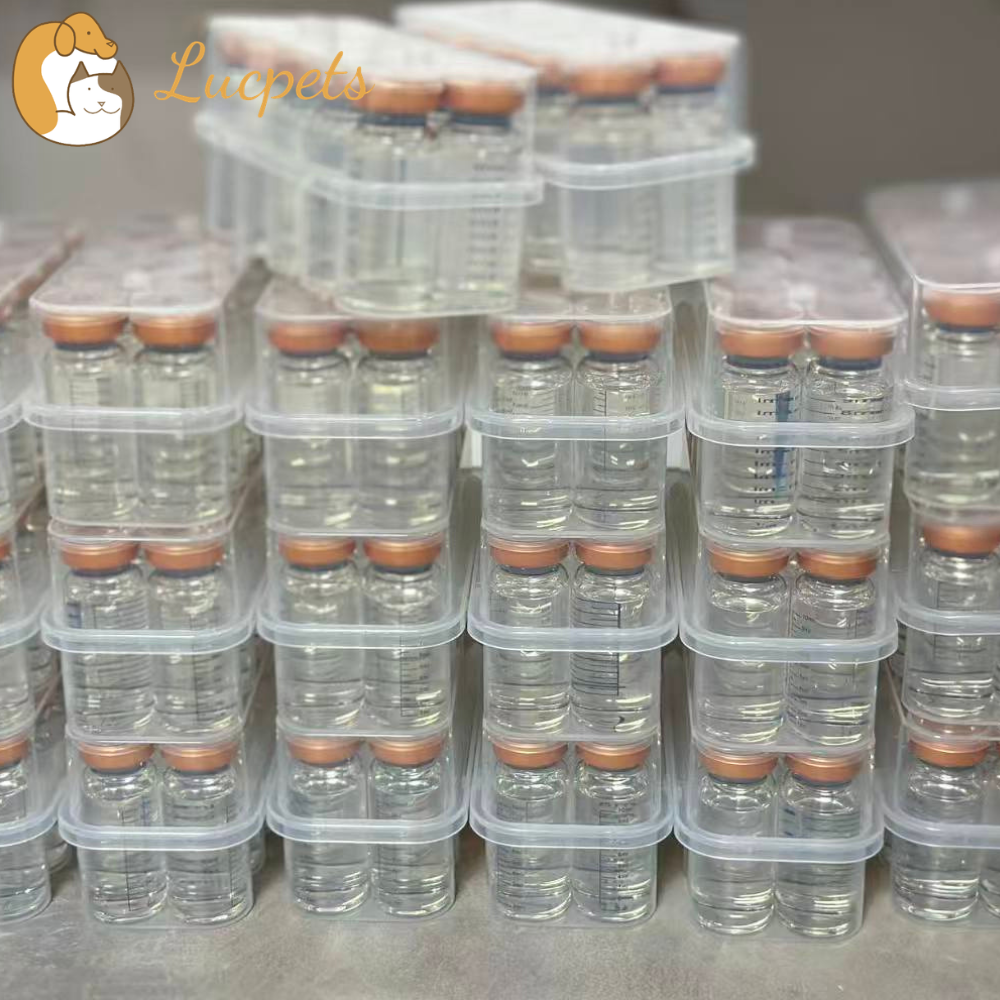
When you see “OEM” on a veterinary product, it usually doesn't mean a knockoff or something inferior. In the pharmaceutical and supplement world, OEM stands for Original Equipment Manufacturer—a company that actually makes the product, even if another brand's name is on the label. For cat owners, this often shows up with generic flea treatments, joint supplements, or prescription medications. The same factory may produce an identical formulation for a well-known brand and a less familiar one, with only the packaging and price being different. That doesn't guarantee every OEM product is exactly the same, but it does mean the name on the box isn't always the best clue about quality.
The practical takeaway for cat owners is to look past the branding and check the active ingredients, concentration, and manufacturing standards. If your vet mentions an OEM option, ask whether it's the same formulation as the brand-name version and whether it's made in a facility with proper quality controls. This can save money without cutting corners, but it also means you shouldn't assume every generic is interchangeable. Reading the fine print on the label or asking for the manufacturer's name can give you more confidence than the logo on the front.
How Feline GS-441524 Works Against FIP at a Cellular Level
GS-441524 enters infected cells as a nucleoside analog that closely mimics adenosine. Once inside, cellular kinases convert it into an active triphosphate form, which serves as a decoy building block for the viral RNA-dependent RNA polymerase. The FIP virus, desperate to replicate its genome, mistakenly grabs this counterfeit nucleotide instead of the real adenosine.
When the viral polymerase incorporates GS-441524 triphosphate into the growing RNA chain, the process stalls. The molecule lacks the correct chemical handle for the next nucleotide to attach, so elongation stops abruptly. Even when some chain extension occurs, the incorporated analog creates structural distortions that trigger error catastrophe—too many mutations for the virus to remain viable.
This sabotage is especially potent inside macrophages and monocytes, the very cells where FIP virus hides and multiplies. Because mammalian polymerases are far less likely to use the analog, GS-441524 selectively cripples viral replication while leaving most host processes largely untouched. The result is a sharp drop in viral load, giving the cat’s immune system a real chance to regain control.
Typical Dosing Schedules and Treatment Duration for Cats
For most feline conditions, veterinarians start with a loading dose followed by a maintenance phase. A typical course for acute infections might run 7 to 10 days, while chronic issues like hyperthyroidism or inflammatory bowel disease often require months of daily medication. The exact interval depends on how quickly the cat metabolizes the drug—some formulations are given twice daily, others once every 24 hours.
Cats can be notoriously difficult to pill, so extended-release or transdermal options sometimes alter the practical schedule. If a dose is missed, it's usually better to skip it and resume at the next scheduled time rather than double up. Treatment duration should always be confirmed with a vet, especially for antibiotics, where stopping early can lead to resistance.
Long-term therapy, such as insulin for diabetes or methimazole for thyroid disease, typically starts with frequent monitoring and dose adjustments before settling into a stable routine. Some owners find that compounding medications into flavored liquids or treats improves compliance enough to keep the schedule consistent.
Evaluating Quality and Safety of OEM-Grade GS-441524 Products
When sourcing GS-441524 from OEM manufacturers, the first thing many buyers overlook is that a certificate of analysis (CoA) is only as trustworthy as the lab that issued it. Independent third-party testing, preferably using HPLC or LC-MS, should confirm not just the purity percentage but also the absence of residual solvents and heavy metals. Some suppliers will happily provide a CoA that looks perfect on paper, yet the actual batch may contain unreacted intermediates or degraded isomers that reduce efficacy. Ask for a chromatogram with batch-specific lot numbers, and if possible, cross-check the results with a second laboratory before committing to a large order.
Beyond chemical purity, the physical formulation plays a huge role in both safety and absorption. OEM-grade products often come as raw powder, but many buyers request pre-mixed suspensions or injectable solutions. The choice of excipients—such as polyethylene glycol, propylene glycol, or certain buffering agents—can cause local irritation, precipitate at room temperature, or shorten shelf life. A high-quality OEM partner will disclose the full ingredient list and stability data under accelerated conditions, not just a five-line data sheet. If the product is intended for oral use, verify that the carrier solvents are food-grade or pharmaceutical-grade, because industrial-grade alternatives are cheaper and commonly substituted.
Finally, batch-to-batch consistency is what separates a reliable OEM supplier from a one-time gamble. Request retained samples from the previous three production runs and compare their impurity profiles side by side. A trustworthy manufacturer will have documented change control procedures and will not alter the synthesis route without notifying you. Also consider the packaging: light-resistant, low-moisture-permeability containers with proper seals reduce degradation during shipping and storage. If the supplier cannot answer basic questions about their quality management system or refuses to provide a sample for independent testing, that is a strong signal to look elsewhere.
Realistic Expectations: Remission Rates, Relapses, and Aftercare
Remission often gets framed as a finish line, but in practice it's more like a stretch of road with changing weather. Rates vary widely depending on what's being treated, how long someone has struggled, and what kind of support they have around them. For many chronic conditions—whether that's substance use, depression, or an eating disorder—full symptom elimination is less common than a meaningful reduction in severity and frequency. A person might go months without a major episode and still have rough days. That doesn't mean the treatment failed. It means the baseline has shifted, and the goalposts need to reflect lived reality rather than an idealized snapshot.
Relapse is not the opposite of remission; it's a normal part of the curve for a lot of people. Studies on addiction, for example, routinely show relapse rates comparable to those of other chronic illnesses like hypertension or asthma. The difference is that we tend to moralize relapse in mental health or substance use, as if a return of symptoms signals weak willpower. In truth, a relapse often points to gaps in the current plan—too little sleep, an untreated co-occurring issue, or slipping away from routines that had been working. Counting relapses as data points rather than personal failures makes it easier to adjust and move forward without shame getting in the way.
Aftercare is where the quieter work happens, long after the initial treatment push ends. It might look like weekly therapy sessions, a peer support group, medication management, or simply a structured daily schedule that keeps old triggers at a distance. The people who do best over years are rarely the ones who "graduated" and never looked back. They're the ones who kept some form of tether—a check-in call, a monthly appointment, a sponsor they still text. Building that kind of ongoing support doesn't guarantee permanent remission, but it stacks the odds in your favor. And when a setback does occur, having an aftercare plan already in place means you're not starting from zero.
FAQ
GS-441524 is a nucleoside analog that blocks viral RNA replication. It was originally studied as the active metabolite of remdesivir and has shown strong efficacy against feline infectious peritonitis virus. Most cats begin to improve within a few days of starting treatment, especially if the disease is caught early.
OEM stands for original equipment manufacturer, meaning a supplier produces the drug in bulk or under a private label. For cat owners, buying OEM GS-441524 usually involves sourcing directly from a factory or lab that formulates the compound, often at a lower price but with less regulatory oversight than veterinary pharmacies.
Safety and effectiveness depend largely on purity, concentration, and sterility. Reputable OEM suppliers provide third-party lab certificates for each batch. Without verified testing, there is a real risk of underdosing, contamination, or treatment failure. Many owners have used OEM GS-441524 successfully, but careful supplier vetting is essential.
Dosage is based on the cat's weight and the form of FIP. Common ranges are 4 to 8 mg per kg injected subcutaneously once daily for at least 12 weeks. Neurological or ocular cases often require higher doses, sometimes 8 to 10 mg per kg or more. A veterinarian should calculate the exact dose and adjust it based on clinical response.
The standard course is 12 weeks of daily injections, followed by a 12-week observation period with no medication. Relapse rates stay low if the full course is completed without missed doses or extended interruptions. Bloodwork and clinical signs are monitored before, during, and after treatment to confirm remission.
Switching is possible if the concentration and purity are comparable, but sudden formulation changes can alter absorption or cause injection site reactions. It is safer to stick with one verified supplier throughout the entire course, or transition only under veterinary oversight with matching lab data from both products.
Most cats tolerate daily subcutaneous injections fairly well, but local reactions such as sores, scabs, or fur loss at the injection site are common. Some cats show transient lethargy or reduced appetite. Severe side effects are uncommon when the drug is properly dosed and sterile.
GS-441524 has not completed formal FDA approval for veterinary use, mainly due to patent and commercial factors. It remains an experimental treatment commonly obtained through compounding pharmacies or OEM suppliers. As a result, quality varies, and owners must take responsibility for verifying lab testing and seeking veterinary guidance.
Conclusion
GS-441524 has become the mainstay of FIP treatment, especially when bought through OEM suppliers. For cat owners, the term 'OEM' doesn't imply a cheap imitation; it usually means a manufacturer produces the raw active compound in bulk, then various brands or veterinary outlets sell it under their own labels. At the cellular level, this nucleoside analogue blocks viral RNA synthesis, stopping the mutated feline coronavirus from replicating and causing the systemic inflammation behind FIP. That mechanism is why dosing consistency and product purity matter far more than the name printed on the vial.
Typical protocols run for 12 weeks with daily subcutaneous injections, and the dose depends on the cat's weight plus whether the form is wet, dry, ocular, or neurological. When evaluating OEM-grade options, you'll want independent lab reports, known solvent purity, and clear batch tracking—cheap fillers or subtherapeutic concentrations often lead to relapse. Real-world remission rates are strong, generally above 80% when treatment starts early and follows the full course, but relapses aren't rare and tend to cluster around shortened schedules or weakened immunity. After finishing treatment, keep up with repeat blood panels, watch for returning fever or weight loss, and give the cat time to rebuild condition; visible clinical improvement can lag behind viral clearance by a few weeks.
Contact Us
Contact Person: Aaron
Email: [email protected]
Tel/WhatsApp: +86 18177165140
Website: https://www.lucpetsglobal.com