
Modacrylic Fabric in China: A Comprehensive Guide to Properties and Uses
2026-07-06
Why is modacrylic fabric quietly revolutionizing protective gear and interior design across China? Behind its growing popularity lies a unique blend of flame resistance, soft texture, and chemical stability—qualities that few materials can match. At the forefront of this innovation stands DROTEX, a brand synonymous with cutting-edge modacrylic solutions tailored for demanding environments. In this comprehensive guide, we’ll unravel the properties that make modacrylic indispensable and explore the diverse applications driving its adoption. Whether you’re sourcing materials for industrial use or simply curious about modern textiles, the answers ahead might surprise you.
How Chinese Mills Approach Modacrylic Fabric Production
Chinese textile mills have developed a distinct approach to modacrylic fabric production that blends traditional craftsmanship with modern efficiency. Rather than relying on off-the-shelf solutions, many facilities invest in customized machinery and in-house chemical treatments to enhance the fiber’s inherent flame resistance and softness. This hands-on engineering allows for precise control over the polymerization and spinning processes, resulting in fabrics that maintain their protective qualities without sacrificing comfort or dyeability.
A key differentiator lies in the integration of vertical supply chains. Mills often source raw acrylonitrile copolymers locally and partner with nearby dyeing and finishing plants to streamline production. This close collaboration enables rapid iteration on specialty finishes, such as antistatic coatings or improved moisture wicking, which are increasingly demanded by industries like military, firefighting, and public transport. The focus remains on balancing compliance with international safety standards while meeting tight lead times.
Sustainability also shapes the production philosophy, with many Chinese manufacturers pioneering closed-loop solvent recovery systems that reduce waste and emissions. Instead of treating modacrylic as a commodity, mills experiment with blending it with other high-performance fibers like aramid or viscose to create novel textiles with dual protection and aesthetic appeal. This adaptive, problem-solving mindset ensures that Chinese modacrylic fabrics remain competitive in a rapidly evolving global market.
The Inherent Flame Resistance of Modacrylic Fibers
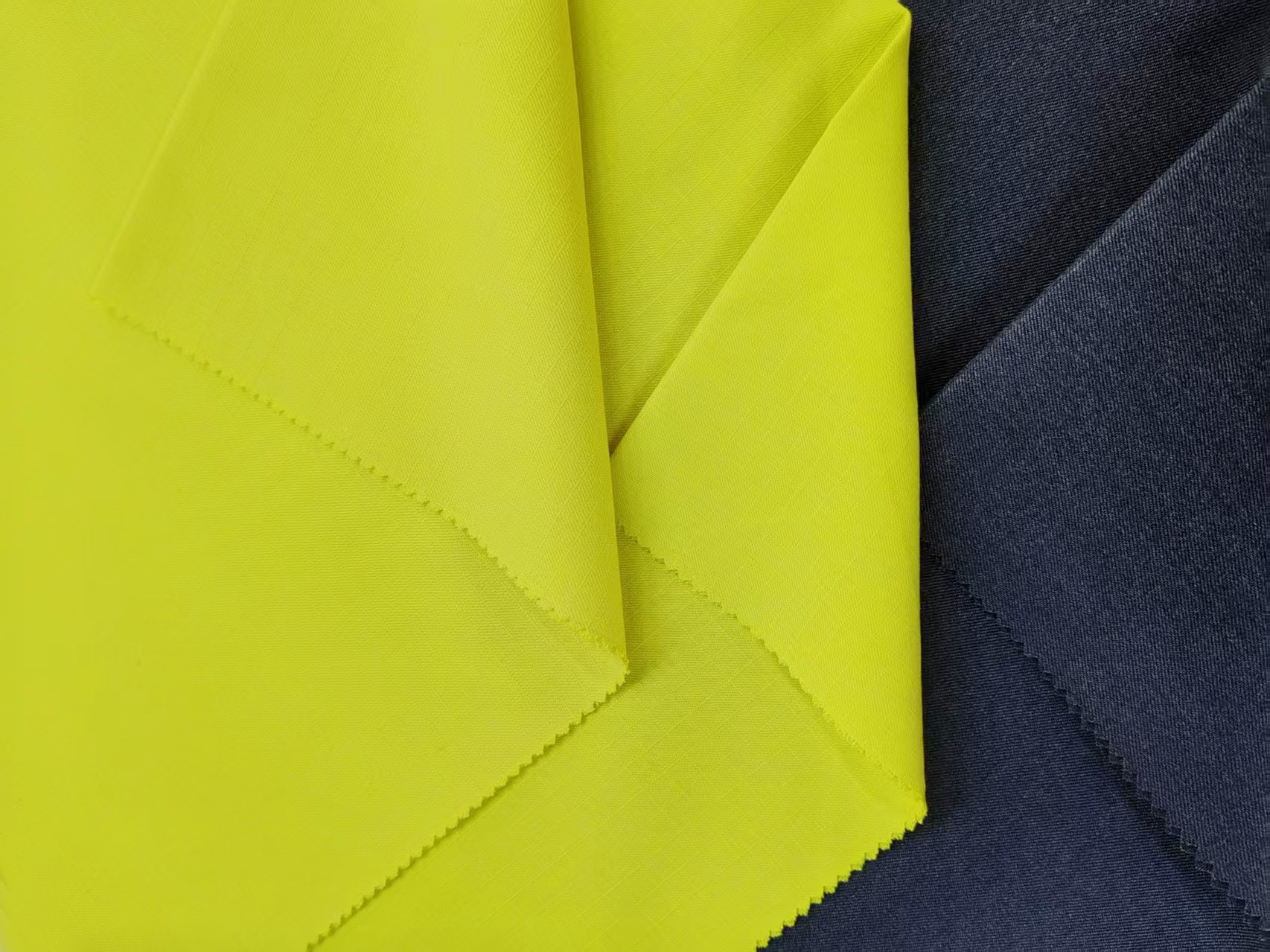
Modacrylic fibers are engineered with a unique chemical composition that gives them a permanent, built-in ability to resist ignition and inhibit flame spread. Unlike treated materials that may lose their protective qualities over time, these fibers contain flame-retardant elements directly within their polymer chain. This means the fire safety characteristic is inseparable from the fiber itself—it won't wash out, wear away, or diminish with repeated use.
When exposed to flame, modacrylic fibers behave in a predictable and safe manner. They do not melt or drip, which is a critical advantage in protective clothing, as molten droplets can cause severe secondary burns. Instead, the fiber forms a stable char that helps insulate the underlying material and skin from heat. In many cases, the fabric will self-extinguish once the ignition source is removed, limiting fire damage and buying precious seconds for the wearer to react.
This natural flame resistance opens up a wide range of applications where fire hazards are a daily reality. From firefighter gear and military flight suits to industrial workwear and furnishings in public spaces, modacrylic blends provide reliable protection without compromising on comfort or durability. Their ability to maintain consistent performance under harsh conditions makes them a go-to choice for safety-critical environments.
Key Applications Across China’s Industrial Sectors
From massive state-owned steel mills to agile tech startups, intelligent solutions are weaving their way into every corner of China's industrial landscape. On automotive assembly lines, computer vision systems now inspect welds with a precision that human eyes can't match, slashing defect rates by double digits. Meanwhile, in the petrochemical corridors of Shandong, predictive maintenance algorithms listen to the hum of compressors and pumps, flagging anomalies weeks before a breakdown would have triggered costly downtime. These aren't isolated experiments—they're scaled realities, powered by a deep integration of IoT sensors, edge computing, and locally developed AI models that thrive on the unique rhythms of Chinese manufacturing.
The logistics sector tells a parallel story of quiet transformation. In sprawling port terminals, autonomous cranes stack containers under the orchestration of centralized control towers, while inland, fleets of guided vehicles scurry through warehouses where just a few years ago workers pushed hand carts. E-commerce giants have pushed the envelope further, deploying mobile robots that dance around each other in choreographed chaos, cutting order fulfillment times from hours to minutes. These systems don’t just mimic global best practices—they reflect local innovations tailored to China's vast domestic market, where delivery density and consumer expectations demand a level of automation rarely seen elsewhere.
Heavy industries like cement and chemicals, once slow to change, are now adopting digital twins that mirror entire production processes in real time. At a cement plant in Anhui, operators monitor a virtual clone of their kiln, tweaking fuel mixes based on instant feedback from hundreds of sensors, trimming energy use by nearly five percent. In Shenzhen's electronics factories, collaborative robots—cobots—share workspaces with humans, lifting delicate components without safety cages, thanks to advanced force sensing. What ties these cases together is not just the technology but an ecosystem willing to iterate rapidly, blending state-driven infrastructure support with private-sector agility, creating industrial applications that are both distinctly Chinese and globally competitive.
Why Modacrylic Blends Dominate Protective Clothing
Modacrylic blends have carved out a near-monopoly in protective clothing for a simple reason: they perform where single-fiber fabrics fail. The secret lies in the synergistic marriage of modacrylic’s inherent flame resistance with the durability and comfort of partner fibers like cotton, aramid, or nylon. Unlike treated fabrics that can wash out over time, the flame-resistant properties are built into the modacrylic fiber’s polymer structure, ensuring the protection doesn’t degrade with laundering or wear. This intrinsic resistance means the fabric self-extinguishes when the flame source is removed, without melting or dripping—a critical defense in environments where a molten polymer could cause catastrophic burns.
Beyond the life-saving shutdown of combustion, these blends excel in the gritty day-to-day realities of industrial work. Pure flame-resistant fibers often sacrifice wearability: they can be stiff, trap heat, and offer little in the way of moisture management. By blending, manufacturers tune the fabric to breathe, wick sweat, and move with the body, reducing heat stress and fatigue. The result is gear that workers actually want to wear, which is half the battle in safety compliance. Add in outstanding chemical resistance, colorfastness even after industrial laundering, and a soft hand that prevents chafing, and it’s clear why these textiles have become the default choice across oil and gas, electrical utilities, and firefighting.
The economic argument only tightens modacrylic’s grip on the market. Protective clothing must endure harsh washing protocols that would shred lesser materials, and here blend fabrics deliver a lower cost-per-use by resisting shrinkage, maintaining tensile strength, and retaining their protective qualities far longer than treated cotton competitors. This longevity, paired with lightweight construction that cuts down on fabric layers, reduces overall garment weight and bulk without compromising safety. As regulations tighten and safety cultures mature, specifiers gravitate toward solutions that don’t force a trade-off between protection, comfort, and budget—and modacrylic blends sit squarely at that intersection.
Meeting China’s Strict Safety Standards for Textiles
China’s textile safety framework, anchored by the GB 18401 national standard, sets mandatory limits on formaldehyde, heavy metals, and harmful dyes. Unlike voluntary eco-labels seen elsewhere, these requirements apply to all apparel and home textiles sold domestically, meaning that every shipment must undergo rigorous lab testing for azo dyes that can release carcinogenic amines, as well as checks on pH levels and color fastness. Factories that overlook these details risk having entire container loads rejected at the border, making it essential for production partners to integrate compliance checks at every stage—from raw fiber selection to final packaging.
Manufacturers often underestimate the way GB 18401 interacts with product-specific standards like GB 31701 for children’s wear, which introduces extra restrictions on cords, drawstrings, and flammability. A toddler’s jacket that passes chemical tests can still fail because the hood drawstring exceeds the allowed length or because a button is not securely attached. This layered approach catches many off guard, but those who adapt early find that investing in on-site quality labs and training local staff on Chinese norms pays off not just in smoother customs clearance but in building lasting trust with buyers who are tired of last-minute surprises.
What separates a one-off pass from consistent compliance is treating the process as a living system rather than a checklist. Suppliers who thrive maintain close ties with accredited testing houses in Guangzhou or Shanghai, routinely send retained samples for surprise audits, and update their internal benchmarks whenever a standard gets revised—something that happens quietly but regularly. Over time, this creates a rhythm where safety becomes a habit, not an afterthought, and the factory’s name starts circulating among importers who need reliability more than the lowest quote.
Simple Care Routines for Modacrylic Garments
Modacrylic fibers are known for their softness and flame resistance, but they require a gentle touch to keep them looking their best. Always start by checking the care label—most garments can be hand-washed or machine-washed on a delicate cycle using cool water. Hot water can cause the fibers to stiffen or lose their shape, so stick to temperatures below 30°C (86°F). A mild detergent works well, but skip the fabric softener; it can coat the fibers and reduce their natural flame-retardant properties.
When it comes to drying, air-drying is the safest route. Lay the garment flat on a clean towel away from direct sunlight or heat sources, as modacrylic is sensitive to high temperatures. If you’re in a hurry, you can use a dryer on the lowest heat setting, but remove the item while it’s still slightly damp to prevent over-drying. For stubborn wrinkles, a cool iron with a pressing cloth is your best bet—never use a hot iron directly on the fabric, as it can melt or glaze the surface.
Storing modacrylic pieces properly also extends their life. Fold them neatly instead of hanging, which can stretch the fibers over time. Keep them in a cool, dry place, and if you’ve worn the garment near an open flame or intense heat, give it a quick once-over to make sure no embers have landed on the fabric. With these simple habits, your modacrylic items will stay soft, vibrant, and safe for years to come.
FAQ
Modacrylic is a synthetic copolymer fiber made primarily from acrylonitrile and other monomers like vinyl chloride. Chinese manufacturers have refined the production process, often blending it with flame-retardant additives during polymerization rather than applying surface finishes, which results in inherently flame-resistant fibers. This domestic expertise allows for consistent quality at competitive volumes, making China a significant supplier for both local and global markets.
Its inherent flame resistance means it doesn't melt or drip when exposed to fire, a crucial safety feature. In China, where industries like electrical, petrochemical, and firefighting demand reliable personal protective equipment, modacrylic garments can be designed to be lightweight yet offer high thermal protection. Additionally, the fabric is often blended with other fibers like cotton to combine comfort with safety, which is well-suited to the diverse working conditions across the country.
Besides self-extinguishing and non-melting behavior, modacrylic has excellent chemical resistance to acids and alkalis, good resilience, and a soft, wool-like hand feel. It dries quickly, resists mildew and insects, and can be dyed in vibrant, long-lasting colors. These traits make it versatile for applications ranging from faux fur and wigs to industrial filters.
Modacrylic frequently appears in upholstery, curtains, and carpets destined for hotels, theaters, and public buildings in China, where strict fire codes are enforced. Its ability to mimic natural fibers like wool while providing inherent flame retardancy allows designers to meet safety standards without sacrificing aesthetics. You'll also find it in children's sleepwear and mattresses for added peace of mind.
While not as common as cotton or polyester in daily streetwear, modacrylic is a staple in items that benefit from its unique look and safety features. Think faux fur coats, plush accessories, and costume wigs. Some high-end outdoor clothing brands in China also use modacrylic blends for their thermal properties and unusual texture, creating statement pieces that stand out in urban fashion.
Modacrylic is best washed in cool or warm water on a gentle cycle; hot water can cause excessive shrinkage. Most items can be tumble-dried on low heat, but air-drying is recommended to preserve fiber integrity and shape. Avoid hot ironing—if wrinkle removal is needed, use a cool iron and press lightly. Dry cleaning is generally safe, but always check the care label, as some blends may have specific requirements.
Conclusion
Modacrylic fabric has carved out a critical niche in China’s textile landscape, largely due to its permanent flame resistance. Chinese manufacturers have honed specialized production methods that emphasize blending modacrylic with fibers like cotton or aramid, creating materials that deliver both protection and everyday comfort. This strategy is why modacrylic blends now dominate the protective apparel sector—garments stay flame-retardant even after repeated laundering, and they feel less stiff than pure synthetics. The fiber’s self-extinguishing properties are chemically engineered during production, so there’s no topical treatment to wear off, a feature that safeguards workers in oil refineries, power plants, and foundries.
The material’s reach extends well beyond heavy industry. It’s used in mass transit interiors, firefighter gear, arc flash suits, and even home textiles where fire codes are strict. Meeting China’s mandatory safety standards, like GB 8965.1 for flame-retardant protective clothing, is a baseline requirement, and modacrylic regularly passes these tests without sacrificing colorfastness or dimensional stability. Maintenance is refreshingly straightforward: a cool or warm machine wash, tumble dry on low, and skip the bleach. This fuss-free care, combined with regulatory compliance and proven protective performance, makes modacrylic a go-to fiber as China tightens workplace safety rules and demand for reliable, comfortable PPE grows.
Contact Us
Contact Person: Sandy
Email: [email protected]
Tel/WhatsApp: 86150 8310 5120
Website: https://www.frdrotex.com