

Laser Cutting Machines: Your Ultimate Guide to Finding the Best Manufacturing Solution
2026-01-07
In the rapidly evolving world of manufacturing, laser cutting machines are revolutionizing how businesses create precise, efficient, and innovative products. Whether you're a small workshop or a large-scale industrial player, finding the right manufacturing solution can be a game-changer for your operations. This guide dives deep into the essentials of laser cutting technology, helping you navigate the options to select the best fit for your needs. At JIAN MENG, we're passionate about empowering businesses with cutting-edge tools that drive success. Get ready to explore insights that will not only spark your curiosity but also equip you with practical knowledge to enhance your manufacturing processes. Let's embark on this journey to unlock the full potential of laser cutting together!
Understanding Different Laser Cutting Technologies: A Quick Overview
Laser cutting technologies have evolved significantly, offering diverse methods for precision work across industries. From CO2 lasers, which excel at cutting non-metallic materials like wood and acrylic, to fiber lasers that dominate metal processing with their efficiency and speed, each type serves distinct applications. Understanding these differences is key to selecting the right tool for your project, whether it's intricate designs or heavy-duty industrial tasks.
Beyond the basics, hybrid systems and newer innovations like ultrafast lasers are pushing boundaries, enabling finer details and reduced thermal damage. Factors such as power settings, beam quality, and material compatibility play crucial roles in determining the optimal technology. By grasping these nuances, users can enhance productivity and achieve superior results in fields ranging from manufacturing to creative arts.
In practice, advancements in automation and software integration have made laser cutting more accessible and versatile. This overview highlights how choosing the right technology not only boosts efficiency but also drives innovation in custom fabrication and prototyping, empowering businesses to adapt to changing demands with precision and flexibility.
Key Factors to Consider When Buying a Laser Cutter
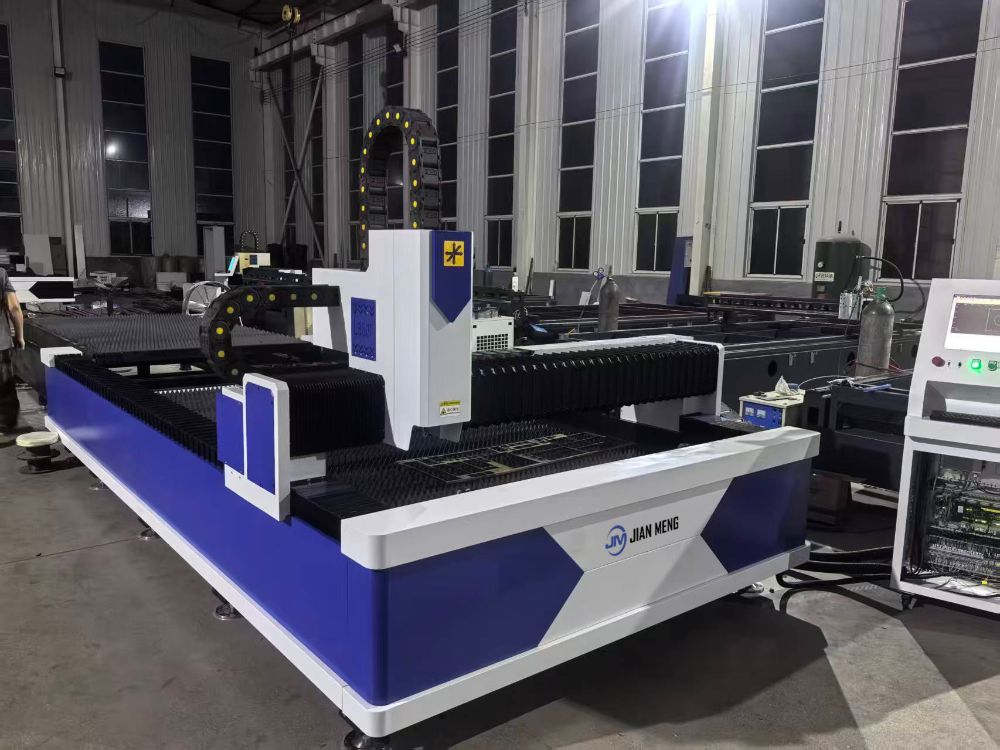
When diving into the world of laser cutters, it's easy to get overwhelmed by technical specs and marketing buzz. Start by assessing your primary needs: are you a hobbyist crafting intricate designs or a small business handling production runs? The type of materials you'll cut, like wood, acrylic, or metal, will guide your choice between CO2, fiber, or diode lasers. For instance, CO2 models excel with organic materials and offer versatility, while fiber lasers are better for metalwork but come with a higher price tag. Don't just focus on power; consider the machine's size, as a larger bed allows for bigger projects but might eat up space in your workshop. Balancing these elements upfront can save you from costly upgrades later.
Budget is a critical factor that often dictates your options. Beyond the initial purchase price, factor in ongoing costs such as maintenance, replacement parts like lenses and mirrors, and consumables like gases or tubes. A cheaper machine might seem appealing, but higher maintenance fees could add up quickly. Look for models with good warranty coverage and accessible customer support, as downtime can stall projects. Additionally, check the software compatibility—some cutters come with proprietary systems that limit flexibility, while others integrate well with popular design tools like Adobe Illustrator or CorelDRAW, making your workflow smoother and more efficient.
Safety and ease of use shouldn't be overlooked, especially if you're new to laser cutting. Features like ventilation systems, enclosures, and emergency stop buttons are essential to protect against fumes and accidents. Noise levels and heat output can affect your workspace comfort. Opt for a model with intuitive controls and clear documentation; a steep learning curve might hinder productivity. Read user reviews and seek recommendations from communities to gauge real-world performance. Ultimately, investing in a laser cutter is about finding a balance between capability, cost, and convenience to ensure it meets your creative or professional goals without unnecessary hassle.
Top Applications of Laser Cutting in Modern Manufacturing
In modern manufacturing, laser cutting has become a game-changer for industries ranging from automotive to electronics, thanks to its precision and efficiency. For example, in the automotive sector, manufacturers use high-powered lasers to cut complex parts like chassis components and body panels with tight tolerances, reducing waste and speeding up production lines. This technology allows for intricate designs that would be difficult or impossible with traditional methods, enabling lighter, stronger vehicles without compromising safety.
Beyond automotive applications, laser cutting plays a crucial role in the aerospace industry, where it's used to fabricate lightweight, durable components such as turbine blades and airframe parts. The ability to cut exotic materials like titanium and composites with minimal heat-affected zones ensures structural integrity and reduces the need for extensive post-processing. This not only cuts down on production time but also helps meet stringent industry standards for reliability and performance in demanding environments.
Moreover, in electronics manufacturing, laser cutting is indispensable for creating precise micro-components, such as circuit boards and smartphone casings, with clean edges that prevent signal interference. Its non-contact nature minimizes damage to delicate materials, allowing for high-volume production with consistent quality. As automation and customization demands grow, laser cutting continues to evolve, enabling more flexible, on-demand manufacturing solutions that adapt quickly to market trends.
Comparing Materials: What You Can Cut with Lasers
Lasers offer precise cutting capabilities across a wide range of materials, making them essential tools in industries from manufacturing to design. Whether you're working with metals like steel and aluminum for automotive parts or softer materials such as wood and acrylic for custom signage, the versatility of laser cutters allows for intricate patterns and clean edges that traditional blades can't achieve. However, not all materials respond the same way to laser energy; for instance, reflective metals may require specific wavelengths to avoid damage, while plastics can melt or release harmful fumes if not handled correctly.
When comparing materials for laser cutting, factors like thickness, composition, and intended use play crucial roles. Thin fabrics and paper might be ideal for delicate art projects, requiring low power settings to prevent burning, whereas thicker materials like stone or glass demand specialized lasers to handle their density without shattering. Understanding these differences helps users optimize their workflows, ensuring efficient cuts and minimizing waste. For example, in architectural models, laser-cut foam board provides lightweight structures with sharp details, while in jewelry making, precision on precious metals ensures high-quality finishes.
Beyond common materials, advanced applications involve cutting composites and bio-materials, pushing the boundaries of innovation. Composites like carbon fiber require careful control to maintain integrity, while laser-cutting biodegradable polymers supports eco-friendly product development. By exploring these diverse use cases, creators can unlock new possibilities, tailoring their projects to material-specific advantages while avoiding common pitfalls like warping or discoloration.
Maintenance Tips for Prolonging Your Machine's Lifespan
Keeping your machine running smoothly for years isn't just about luck; it's a matter of consistent care and smart habits. By following a few key practices, you can significantly extend the lifespan of your equipment, whether it's a household appliance, a piece of industrial machinery, or a computer. Regular cleaning to prevent dust buildup and timely lubrication of moving parts are foundational steps that many overlook, leading to premature wear. Think of it as preventative maintenance—addressing small issues before they escalate into costly repairs can save you time, money, and the hassle of unexpected downtime.
One often-overlooked aspect is monitoring the machine's environment. For instance, exposure to extreme temperatures or humidity can accelerate degradation of components, especially in electronic devices or outdoor tools. Ensuring proper ventilation and storage conditions can make a world of difference. Additionally, don't underestimate the power of routine checks; listening for unusual sounds or noticing subtle changes in performance can be early warning signs. By staying attuned to these signals, you're essentially giving your machine a longer, healthier life, much like you would with regular health check-ups.
Lastly, it's crucial to use the machine as intended and avoid pushing it beyond its limits. Overloading or operating under incorrect settings might seem harmless in the short term, but it leads to stress on parts and eventual failure. Invest in quality accessories and follow the manufacturer's guidelines for maintenance schedules—these aren't mere suggestions but proven methods to maximize durability. With a bit of diligence, your machine can serve you reliably for many years, proving that a little effort today pays off in long-term performance and value.
How to Choose the Right Laser Cutter for Your Business Needs
Selecting the perfect laser cutter for your business can feel like navigating a maze of choices, but it's all about matching your specific operations to the machine's capabilities. Start by honestly assessing your daily needs: Are you cutting intricate designs in thin acrylic, or powering through thick plywood in a woodworking shop? Consider both material types and thicknesses you'll handle. Don't forget workflow volume—a small startup might get by with a desktop model, while a bustling manufacturing plant demands industrial-grade speed. It's not just about the machine's power or size, but how well it fits into your actual production rhythm, ensuring you're not overpaying for features you'll rarely use or struggling with a cutter that slows you down.
Budget is always a critical factor, but it's wise to look beyond the initial price tag. Think long-term: cheaper models might seem appealing upfront, but could cost more in maintenance, repairs, or faster replacement. Compare laser technologies like CO2 versus fiber to see which suits your materials best. Check for user-friendly software compatibility that integrates with your existing design tools, reducing training time. Also, peek into reviews focusing on reliability and support—having a responsive manufacturer can save headaches when issues arise. By weighing these aspects, you'll find a cutter that balances cost, efficiency, and durability, supporting your business growth without unexpected hiccups.
Customization and adaptability are often overlooked yet can be game-changers for evolving businesses. Look for machines that offer modular upgrades or adjustable settings to handle future projects or material changes without a full replacement. Safety features are non-negotiable, especially in busy environments, so prioritize models with robust enclosures and ventilation. Finally, consider the learning curve and available resources—having accessible tutorials or community support can smooth the transition. Ultimately, the right choice blends your current needs with room to scale, turning a laser cutter from a mere tool into a reliable partner in your creative or manufacturing journey.
FAQ
Prioritize material compatibility, cutting precision, production speed, and operational costs to match your specific manufacturing needs and budget constraints.
Check manufacturer warranties, read user reviews on industry forums, and request case studies or references from suppliers to assess long-term performance and support.
Common mistakes include overlooking maintenance requirements, underestimating power consumption, and choosing machines that lack scalability for future production increases.
Yes, modern machines cut materials like metals, plastics, and composites, but verify specific models for thickness limits and quality finishes to ensure optimal results.
Initial expenses may be high, but focus on energy efficiency, durability, and reduced waste to gauge overall return on investment over time.
Operators typically require training in software programming, safety protocols, and routine maintenance, often provided by manufacturers or third-party courses.
Look for machines with energy-saving modes, fume extraction systems, and certifications for lower emissions to support sustainable manufacturing practices.
Collaborate with suppliers to integrate automation features, software compatibility, and modular designs that align with your workflow and output goals.
Conclusion
Laser cutting machines have revolutionized manufacturing by offering precision, efficiency, and versatility in various industries. Understanding different laser cutting technologies is crucial for making an informed decision; CO2 lasers excel at cutting non-metals, while fiber lasers are ideal for metals like steel and aluminum. Key factors to consider when purchasing include power, speed, and workspace size, as these directly impact project quality and timelines. By evaluating these aspects, businesses can optimize their operations, whether for prototyping or mass production, ensuring they choose a machine that aligns with both current and future needs.
Additionally, laser cutting's top applications in modern manufacturing range from intricate designs in automotive parts to personalized consumer goods, demonstrating its broad utility. Comparing materials reveals that lasers can handle everything from wood and acrylic to metals, expanding creative possibilities. To prolong a machine's lifespan, regular maintenance is essential, including lens cleaning and software updates. Ultimately, how to choose the right laser cutter involves balancing budget with specific business requirements, such as material types and production volume, to find the best solution that enhances productivity and innovation in a competitive market.
Contact Us
Contact Person: Jeanie
Email: [email protected]
Tel/WhatsApp: +86 19805122954
Website: https://www.jianmeng.com