

International Export Data Platform Unlocks Global Trade Insights
2026-07-05
Navigating global markets can feel like solving a puzzle with missing pieces—until you tap into real-time international export data. Tendata transforms raw trade figures into clear, actionable insights, helping businesses identify trends, benchmark competitors, and spot hidden opportunities before they vanish. Whether you're expanding into new territories or strengthening existing supply chains, this platform gives you the intelligence to move confidently. Read on to discover how data-driven decisions can reshape your global strategy.
Spot Emerging Markets Before They Boom
Catching an emerging market just as it stirs to life isn’t about luck—it’s about knowing where to look. Macro shifts in demographics, policy, and infrastructure often send quiet signals years before the headlines. A sudden spike in micro-entrepreneurship, a government quietly streamlining business registrations, or a flood of young talent moving back from abroad can hint that something is brewing. The trick is to ignore the broad index reports and drill into granular data: rental prices in secondary cities, import volumes of construction materials, or even the number of co-working spaces popping up in a neighborhood. These are the real whispers of a market stretching its muscles.
Too many investors chase the obvious plays and arrive when the easy money has already been made. The edge comes from connecting dots across disciplines—seeing how a fintech loosening credit in Southeast Asia might ignite a property mini-boom, or how a climate shift is pushing agritech innovation in a corner of Africa. Local networks are worth more than any dashboard. The people on the ground—suppliers, taxi drivers, boutique hotel owners—often feel the acceleration before official statistics confirm it. Learn their language, track their optimism, and you’ll be positioned to move when the market is just a spark, not a wildfire.
Timing isn’t about perfect precision; it’s about recognizing thresholds. A market isn’t “emerging” when it appears in a glossy investment brochure—it’s emerging when the friction starts to drop. Things like cross-border payment rails going live, a new generation of local founders rejecting old business norms, or a cultural shift toward valuing equity over quick cash. Keep a watchlist of these thresholds. When two or three light up at once, you’re probably standing at the doorway of something bigger. The best entries feel uncomfortable, almost too early—and that’s exactly the point.
Decode Buyer Behavior Across Borders
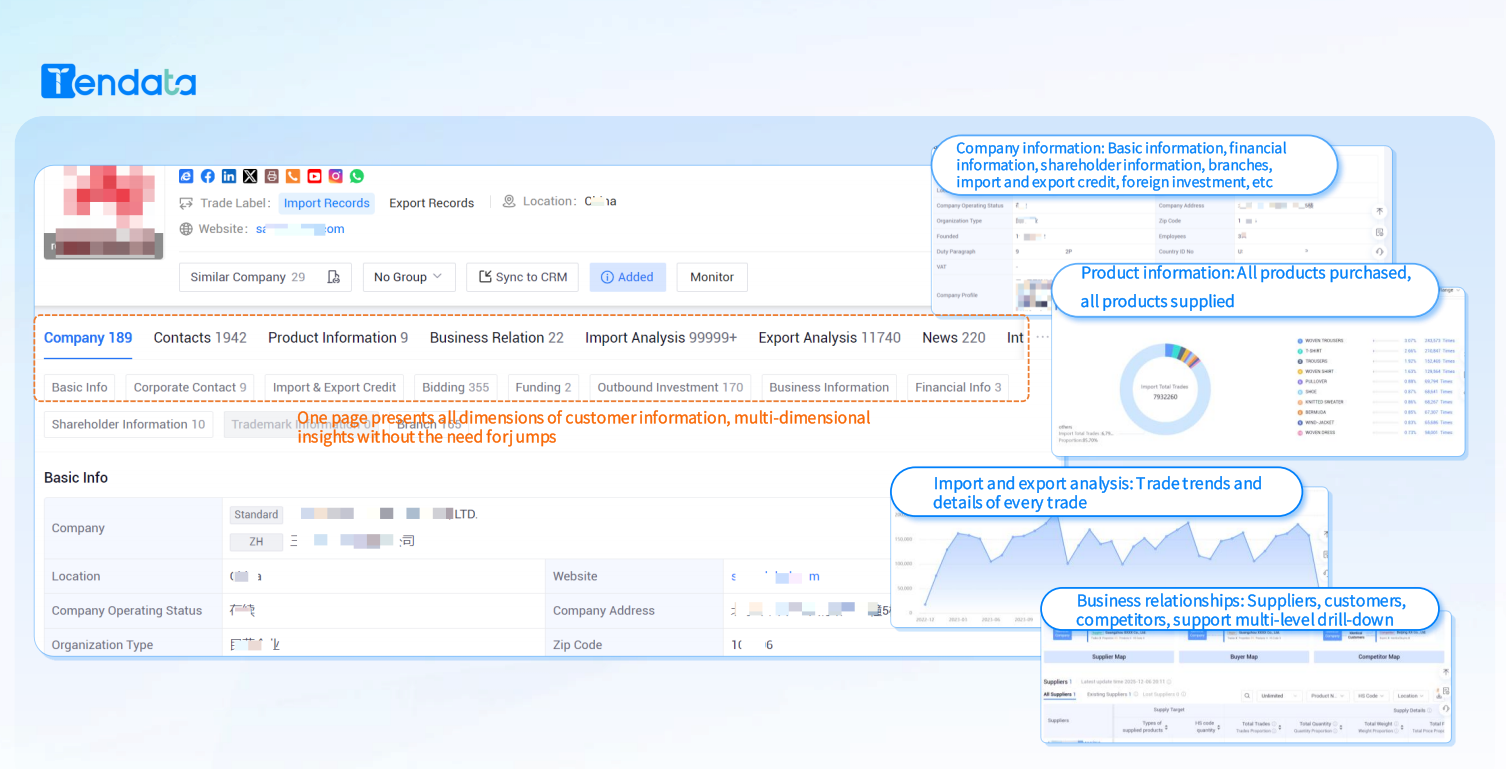
Understanding why consumers in different regions make certain purchasing decisions goes beyond simple demographics. Cultural values, local traditions, and even seasonal rhythms shape the way people discover, evaluate, and commit to a product. For instance, a holiday that drives massive gift purchases in one country might be completely absent in another, while payment preferences can shift from credit cards to mobile wallets almost overnight across a border. Tapping into these nuances demands more than translated surveys; it calls for on-the-ground observation and a willingness to question assumptions that work perfectly at home.
Subtle signals often reveal the most about cross-border buyer intent. The way shoppers interact with product imagery, the language they use in reviews, and the time they spend on different sections of a page all carry clues that raw sales data can miss. A brand selling outdoor gear might discover that customers in Scandinavia research sustainability claims obsessively, while buyers in Southeast Asia prioritize rapid delivery guarantees. By mapping these behavioral patterns without forcing them into a one-size-fits-all framework, companies can adjust everything from site navigation to retargeting strategies in a way that feels intuitive rather than intrusive.
The real advantage comes from turning this behavioral understanding into seamless, localized experiences. When a returning visitor sees product recommendations aligned with regional holidays or receives a promo code tied to a local payment method, the interaction shifts from generic to genuinely relevant. It’s less about chasing trends and more about respecting how context shapes decision-making—building trust through small, informed tweaks that acknowledge the buyer’s world. Over time, these adjustments compound, turning casual cross-border shoppers into loyal advocates who feel seen, not targeted.
Real-Time Shipment Tracking That Actually Works
Modern logistics demands more than just periodic status updates; it requires granular visibility into every stage of the delivery journey. Our platform captures live pings from vehicles, handover scans, and even environmental sensor data, updating your dashboard the moment something changes. No more refreshing screens or waiting for end-of-day batch reports—this is up-to-the-second accuracy that empowers you to manage exceptions proactively.
What sets our tracking apart is how we handle the tricky last mile. Instead of relying solely on driver updates, we cross-reference GPS data with delivery point geofences, automatically marking arrivals and departures. If a vehicle deviates from its planned route or lingers unexpectedly, alerts fire instantly, letting you reach out to the recipient or reroute while it still matters.
Behind the scenes, we built the system with interoperability in mind. It ingests feeds from diverse carriers, harmonizes their disparate timestamps and location formats, and presents a unified timeline. Users don’t need to toggle between logistics partners’ portals or decipher cryptic tracking numbers. You see the shipment, you see where it is right now, and you know when it will arrive—plain and simple.
Competitor Moves? You’ll Know Instantly
Waiting for a quarterly report to learn what your competitors are up to is like reading last week's headlines today. The market shifts while you're still analyzing. Tools now exist that track competitor changes as they happen—website updates, pricing tweaks, new product launches, even subtle shifts in messaging—so you're never caught off guard.
Instead of manually refreshing rival pages or relying on gut feelings, automated systems continuously scan the digital landscape. Imagine getting a notification the moment a competitor drops a flash sale or quietly rolls out a feature you've been planning. This isn't about obsessive surveillance; it's about staying informed enough to react swiftly and strategically.
That kind of immediacy transforms decision-making. You can adjust your campaigns before the competition gains momentum, counter a price change with something smarter, or spot an emerging trend they're chasing and decide whether to follow or disrupt it. When you know instantly, you lead rather than follow.
Turn Tariff Chaos into Strategic Advantage
Unpredictable tariff shifts feel like a rogue wave capsizing carefully planned budgets. But businesses treating them as a catalyst rather than a crisis often uncover hidden strengths. When one automotive supplier faced a sudden 25% duty on imported aluminum, it fast-tracked a long-dormant plan to switch to locally sourced recycled metal. The result? Their material costs dropped 12% within a year, and they marketed the move as a sustainability win, snagging two major contracts. Chaos forced a pivot that discipline alone never did.
Scrambling to rework logistics each time a trade rule changes burns time and morale. Instead, the firms that come out ahead build what can only be called a "tariff-responsive supply chain." They map out alternate ports, cultivate multiple suppliers across countries with differing trade pacts, and even use simple hedging strategies for currency and commodity exposure. One midsize furniture brand now keeps a "tariff contingency playbook"—a living document updated quarterly—so when Washington or Brussels announces new levies, the team mobilizes instead of panics. It turns regulatory whiplash into a competitor-slowing event.
The hidden payoff surfaces in negotiations. When you know your cost structure can flex around tariffs, you stop begging for price concessions and start offering stability. Clients worn down by supply chain surprises gravitate toward partners who can quote a firm price with a shrug, even as headlines scream turmoil. That quiet confidence shifts the conversation from "How much will this cost me now?" to "Why would I risk going anywhere else?" In a landscape where others see only threat, you become the safe harbor—and that's worth far more than any single tariff avoidance trick.
Supplier Verification Without the Guesswork
Verifying suppliers often feels like piecing together a puzzle with missing clues. You get partial data from here, a certificate scan from there, and a lot of verbal promises in between. This patchwork method breeds doubt and slow decisions. Instead, imagine flipping a switch and seeing the full picture—licenses, production audits, shipment history—all aligned and easy to digest. That clarity removes the mental gymnastics and lets you focus on what matters: solid partnerships, not paper trails.
The old way involved chasing emails, decoding foreign documents, and second-guessing whether a supplier’s claims held water. Now, smart processes pull verified records directly from official sources, giving you a dashboard that updates in real time. No more waiting weeks for a credit check or factory snapshot. With this approach, you stop playing detective and start acting on facts. It’s the difference between hoping a supplier is reliable and knowing they are—before you sign a contract.
What truly sets this apart is the human layer behind the technology. Instead of raw data dumps, you get curated insights highlighted by analysts who spot risks you might miss. A red flag on a compliance certificate or a sudden drop in shipment quality gets flagged instantly, complete with context. This blend of automated verification and expert review means you’re not just collecting data; you’re gaining a sharp, unbiased lens on who you’re really dealing with. The guesswork vanishes, replaced by quiet confidence.
FAQ
Companies looking to expand internationally, trade analysts, and logistics providers all find immense value. It’s especially handy for those who need to spot trends or verify potential partners before making deals.
Instead of generic overviews, you get granular, shipment-level data. This means you can see exactly what’s moving, in what quantities, and between which specific companies—details that typical reports miss.
By letting you filter by product category and destination, you can quickly spot where demand is spiking for goods similar to yours. It’s like having a backstage pass to trade patterns that aren’t obvious from the outside.
Absolutely. You can see their shipment volumes, who they’re selling to, and even the pricing trends in their transactions. It’s all based on customs data, so it’s factual and up-to-date.
Not really. The interface is built for ease, with intuitive dashboards and simple search tools. Most users get the hang of it in minutes, and there’s support if you ever feel stuck.
Definitely. By analyzing historical trade flows and buyer reliability, you can avoid unstable markets or unreliable partners. It’s like doing thorough homework before making a big move.
Updates happen regularly—often monthly or even weekly, depending on the country. That means you’re always looking at recent activity, not outdated records.
You can narrow everything down with filters. Want only textile exports from India to Germany? Just set the parameters and you’ll get targeted results without the noise.
Conclusion
In a trading landscape where timing and precision separate winners from also-rans, this platform gives you the upper hand. It doesn’t just dump raw data on your desk; it serves up actionable signals. You can spot emerging markets months before traditional reports pick them up—see where demand is quietly building and lock in early-mover advantages. On the demand side, you decode cross-border buyer behavior: which product specs get ordered together, what triggers repeat purchases, and how regional preferences shift seasonally. And when you ship, the tracking isn’t some black hole with sporadic updates—it’s live, granular, and actually reliable, letting you proactively manage delays before customers even notice.
But the real power kicks in when you connect the dots competitively. You’ll know instantly when a rival in your space starts sourcing from a new factory or reroutes supply chains—no more guessing games at trade shows. Tariffs that once wrecked margins can become data points you leverage; the platform maps out trade route alternatives and duty optimization scenarios so you pivot before costs bite. Supplier verification moves from trust-based hunches to hard data: shipment history, buyer feedback loops, and compliance records all surface without the usual runaround. It’s not magic—it’s just finally having the same kind of intel that the big players have been hoarding.
Contact Us
Contact Person: Grace
Email: [email protected]
Tel/WhatsApp: +86 18721992033
Website: https://www.tendata.com