

Hot-Dip Galvanized Flat Bar Factory: Top Manufacturing Solutions
2026-03-20
In the world of industrial manufacturing, hot-dip galvanized flat bars stand out as a cornerstone for durability and precision. At Shunchen Steel, we've mastered the art of crafting these essential components, delivering top-tier solutions that redefine quality. Whether you're an engineer seeking reliability or a project manager focused on efficiency, our factory's innovative approaches ensure every bar meets exacting standards. Dive into this blog to uncover how our cutting-edge techniques and industry expertise set us apart, and discover why Shunchen Steel is your trusted partner for galvanized excellence. Let's explore the manufacturing edge that transforms raw materials into robust, long-lasting assets.
Essential Quality Control in Hot-Dip Galvanized Flat Bar Production
In hot-dip galvanized flat bar production, ensuring consistent quality hinges on meticulous control throughout the entire manufacturing process. Key initial steps involve rigorous inspection of the base steel, focusing on its chemical composition, surface cleanliness, and dimensional accuracy. Any contaminants or irregularities in the raw material can compromise the galvanizing outcome, making pre-treatment stages like degreasing and pickling absolutely critical for achieving a flawless, adherent zinc coating.
During the actual galvanizing phase, precise management of bath temperature, immersion time, and zinc alloy composition is vital to prevent issues like excessive coating thickness, poor adhesion, or uneven coverage. Innovations in automated monitoring systems now allow real-time adjustments, enhancing uniformity and reducing waste compared to older manual methods. This proactive approach not only boosts durability against corrosion but also ensures the flat bars meet stringent industry standards for structural applications.
Post-galvanizing quality checks round out the process, with thorough assessments of coating thickness using non-destructive techniques, adhesion tests, and visual inspections for defects like bare spots or drips. By integrating these comprehensive controls, producers can deliver hot-dip galvanized flat bars that offer long-term reliability, distinguishing their products in a competitive market through superior performance and tailored solutions for specific environments.
Innovative Machinery and Techniques for Flat Bar Galvanizing
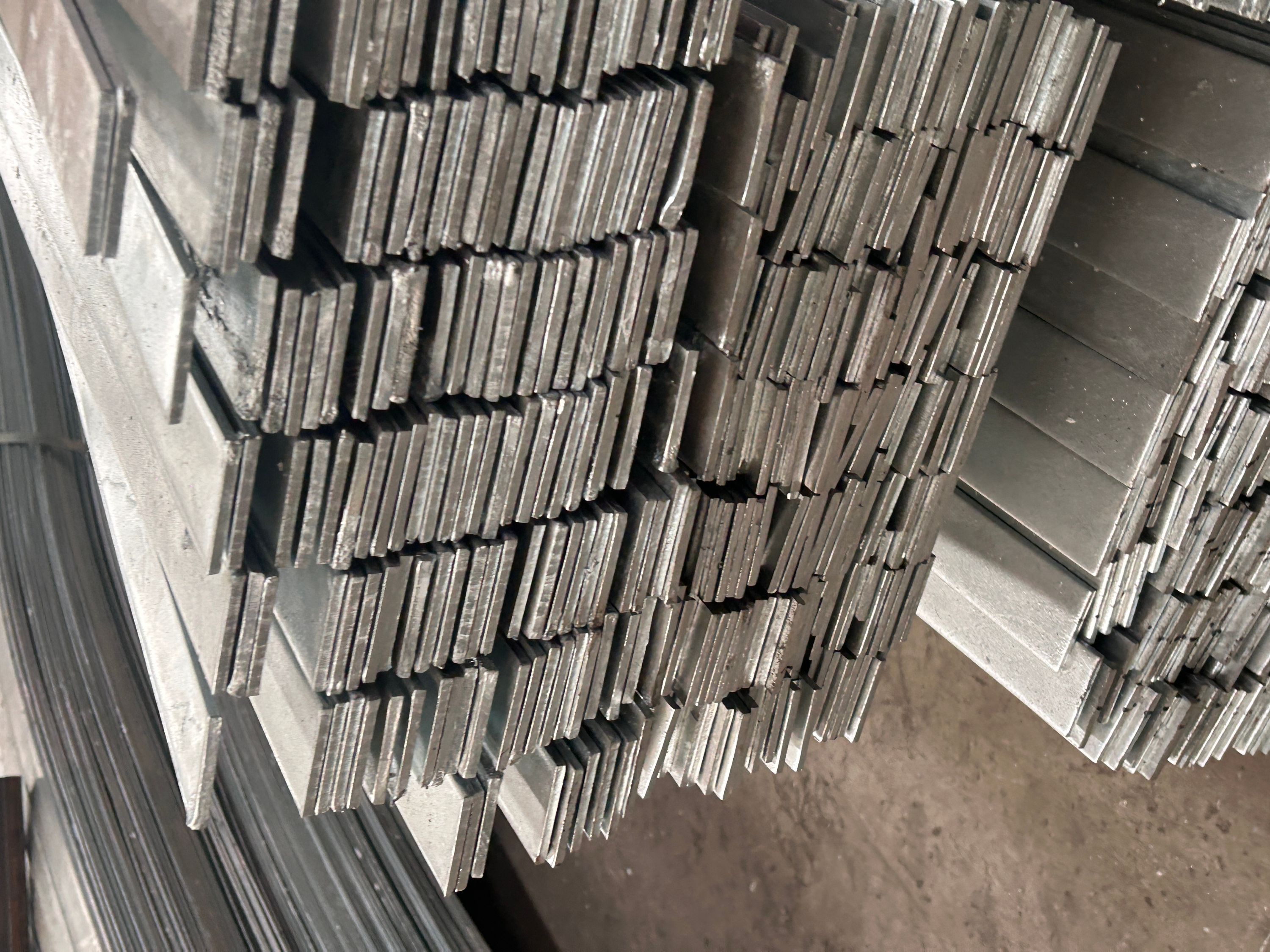
Flat bar galvanizing has evolved significantly with the introduction of advanced machinery that enhances efficiency and quality. Modern systems now incorporate automated handling equipment that precisely positions bars for even coating, reducing human error and ensuring consistent results. Innovations like high-speed galvanizing baths and optimized flux application methods allow for faster processing times without compromising the protective zinc layer's integrity. These improvements are particularly beneficial in industrial settings where large volumes of flat bars are processed daily, leading to reduced operational costs and enhanced durability of the final products.
New techniques in flat bar galvanizing focus on achieving superior corrosion resistance and aesthetic appeal. Advanced surface preparation methods, such as ultrasonic cleaning and high-pressure water jetting, ensure that contaminants are thoroughly removed before galvanizing, resulting in stronger zinc adhesion. The development of specialized alloy coatings, including zinc-aluminum blends, offers enhanced protection against harsh environmental conditions, making these flat bars ideal for outdoor applications like construction and marine structures. These innovations not only extend the lifespan of the products but also meet increasingly stringent environmental and safety standards globally.
Looking ahead, trends in robotics and data analytics are revolutionizing flat bar galvanizing by enabling real-time quality monitoring and process adjustments. Smart sensors integrated into galvanizing lines can detect variations in coating thickness or temperature, allowing for immediate corrective actions to maintain optimal performance. Additionally, energy-efficient heating systems and recovery technologies are reducing the environmental footprint of galvanizing operations. These cutting-edge approaches not only streamline production but also position manufacturers to better adapt to market demands for sustainable and high-performance materials.
Customization Options for Size and Finish in Flat Bar Manufacturing
Flat bars benefit from a wide range of size options, allowing manufacturers to tailor dimensions precisely to project needs. Standard thicknesses typically range from 1/8 inch to 6 inches, with widths stretching from 1/2 inch up to 12 inches or more, depending on the material. Beyond these off-the-shelf measurements, custom cutting and milling services enable bespoke lengths and profiles, ensuring a perfect fit for architectural, industrial, or decorative applications where exact specifications are critical.
Finish choices play a pivotal role in both aesthetics and durability, with options spanning from raw, uncoated surfaces to sophisticated protective treatments. Hot-rolled flat bars often feature a scaled, rough texture ideal for structural uses, while cold-rolled variants offer a smoother, more refined appearance. Additional finishes include galvanizing for corrosion resistance in outdoor settings, powder coating in various colors for visual appeal, and polishing or brushing to achieve a sleek, modern look that enhances design flexibility.
To stand out in a competitive market, manufacturers can differentiate their offerings by combining size and finish in innovative ways. For instance, offering precision-tolerance flat bars with unique finishes like patinated bronze or textured coatings can cater to niche industries like custom furniture or high-end construction. This customization not only improves functionality by matching specific load-bearing or environmental requirements but also adds value through enhanced visual and tactile qualities, making each product distinct from standard alternatives.
Boosting Durability and Corrosion Resistance Through Advanced Galvanizing
Advanced galvanizing methods have revolutionized steel protection by combining traditional zinc coatings with innovative techniques like alloy layering and controlled electroplating. Unlike standard processes, these approaches involve precise adjustments in temperature and chemical composition during application, resulting in a more uniform bond that significantly enhances resistance against rust and wear. This not only extends the lifespan of steel products in harsh environments but also offers superior adhesion, reducing the risk of flaking or peeling over time.
One standout aspect of advanced galvanizing is its ability to incorporate additional elements such as aluminum or magnesium into the zinc coating, creating a synergistic barrier that outperforms conventional treatments. By tailoring these composite layers based on specific environmental factors—like humidity levels or salt exposure—manufacturers can achieve targeted durability improvements. For instance, structures in coastal areas benefit from coatings designed to thwart saltwater corrosion, ensuring long-term integrity without frequent maintenance or replacements.
The long-term advantages of these enhanced galvanizing practices are evident in industries ranging from construction to automotive, where minimizing degradation is critical for safety and cost-efficiency. Beyond mere surface protection, advanced methods often include post-treatment processes like chromate passivation or polymer sealing to further lock in durability. This holistic approach not only boosts corrosion resistance but also contributes to sustainability by reducing material waste and maintenance cycles, making it a smart choice for projects demanding reliable performance over decades.
Efficient Production Lines and Turnaround Times for Flat Bar Orders
When customers place flat bar orders, what often matters most isn’t just the product quality—it’s how quickly and reliably we can deliver. Our production lines are built around this principle: efficiency that doesn’t compromise precision. By integrating advanced automation with skilled oversight, we’ve streamlined processes from raw material handling to final finishing. This approach cuts down on bottlenecks and reduces waste, ensuring each bar meets specifications without unnecessary delays.
Turnaround times are a key focus because we understand how time-sensitive your projects can be. For standard flat bar orders, we typically complete production within 5 to 10 business days, depending on the order size and complexity. But it’s not just about speed—we prioritize clear communication throughout. You’ll receive updates at critical stages, so you’re always in the loop and can plan accordingly. This transparency helps avoid surprises and builds trust, making the entire process smoother for everyone involved.
What sets us apart is our ability to adapt to varied demands without sacrificing efficiency. Whether it’s a custom size or a rush order, our flexible scheduling allows us to adjust production flows on the fly. We’ve invested in machinery that minimizes changeover times, enabling us to switch between different flat bar profiles swiftly. This agility means we can meet tight deadlines while maintaining the high standards your work requires, giving you a reliable partner for both routine and urgent needs.
Sustainable Practices in Modern Galvanized Flat Bar Factories
In contemporary galvanized flat bar factories, sustainability is woven into every step of the production process, starting with material sourcing. Many facilities now prioritize using recycled steel scrap, which significantly reduces the energy-intensive extraction of raw ores. This approach not only cuts down on carbon emissions but also aligns with circular economy principles. Beyond raw materials, some plants have implemented advanced water recycling systems during the galvanizing phase, where zinc coating is applied. By filtering and reusing process water, these factories dramatically lower freshwater consumption, addressing local water scarcity issues and minimizing wastewater discharge into the environment.
Operational efficiencies further bolster sustainability, with factories integrating smart technologies like IoT sensors and AI-driven analytics to optimize energy use. For instance, real-time monitoring of furnace temperatures ensures precise heating during the galvanizing process, reducing fuel consumption and associated greenhouse gases. Some facilities have transitioned to renewable energy sources, such as solar panels installed on factory rooftops, to power non-critical operations or even supplement main production lines. These innovations not only lower operational costs over time but also enhance resilience against fluctuating energy prices, making the business model more robust and environmentally friendly.
Looking beyond production, leading galvanized flat bar factories are rethinking waste management and community engagement. Post-production waste, like zinc ash and dross, is increasingly being processed into by-products for other industries, such as construction materials or fertilizers, turning potential pollutants into valuable resources. Additionally, these factories often participate in local environmental initiatives, such as tree-planting drives or educational programs on recycling, fostering a positive community relationship. By adopting these holistic practices, modern factories not only meet regulatory standards but also build a reputation for responsibility, appealing to eco-conscious consumers and partners in the construction and manufacturing sectors.
FAQ
Hot-dip galvanizing involves coating flat steel bars in molten zinc to protect against corrosion and rust, making them durable for outdoor and industrial use, such as in construction or marine environments, by forming a metallurgical bond that resists wear.
Factories use automated immersion processes with precise temperature control and timing, followed by quality checks like visual inspection and magnetic gauges to verify uniform zinc coverage, ensuring each bar meets industry standards like ASTM A123.
Specialized factories offer superior corrosion resistance, customization in dimensions and finishes, faster turnaround due to dedicated equipment, and expert support, making them ideal for projects needing long-lasting, tailored steel components.
Hot-dip galvanizing provides a thicker, self-healing zinc layer that withstands harsh conditions better than paint or powder coating, which can chip or degrade over time; it's often more cost-effective for heavy-duty applications requiring minimal maintenance.
They're used in construction for structural supports and fencing, automotive for chassis parts, agriculture for equipment frames, and utilities for electrical enclosures, thanks to their strength and rust resistance in demanding settings.
Look for a factory with proven expertise, quality certifications, ability to handle custom orders, efficient logistics, and responsive customer service to ensure reliable, high-performance products that meet specific project needs.
Factories can shear, bend, or punch holes in the bars post-galvanizing, and vary zinc thicknesses or add additional coatings, allowing tailored solutions for aesthetics or functional demands without compromising protection.
Challenges include preventing zinc runoff or uneven coating; top factories manage this with advanced pre-treatment cleaning, controlled dipping angles, and post-process inspections to eliminate defects and ensure durability.
Conclusion
Hot-dip galvanized flat bar factories employ comprehensive quality control measures, essential for ensuring product integrity and meeting industry standards. This focus on quality seamlessly integrates with innovative machinery and techniques, enhancing precision in galvanizing processes for consistent results. As production lines become more efficient, these factories optimize turnaround times, allowing them to handle diverse flat bar orders promptly without compromising durability or corrosion resistance. The synergy of advanced galvanizing methods not only boosts performance but also supports sustainable practices, reducing environmental impact while maintaining high output levels.
Customization options for size and finish further distinguish top manufacturers, offering tailored solutions that cater to specific industrial needs. By combining durability enhancements with eco-friendly operations, modern factories create robust flat bars that withstand harsh conditions, such as marine or construction environments. This holistic approach—from initial quality checks to final delivery—ensures that customers receive reliable, long-lasting products, positioning these factories as leaders in manufacturing solutions that balance innovation, efficiency, and sustainability in the competitive market.
Contact Us
Contact Person: Max Zhou
Email: [email protected]
Tel/WhatsApp: +86 15712216177
Website: https://www.shunchensteelmaterial.com/