

China LED Face Mask: The Complete Guide to Benefits, Safety, and Results
2026-10-16
China is the world's leading manufacturer of LED face masks, but that sheer volume creates a problem: how do you separate devices that truly rejuvenate skin from those that under-deliver or even cause harm? The benefits of red and near-infrared light are well-documented, yet safety standards vary wildly between factories. This guide gives you a clear-eyed look at what works, what doesn't, and the real results you can expect — with Omeina as a benchmark for quality in a crowded field.
What LED Light Does Once It Passes the Skin Barrier
Once LED photons slip past the stratum corneum, they collide with cytochrome c oxidase inside mitochondria. This enzyme, a key player in the electron transport chain, absorbs specific wavelengths—typically red or near-infrared—and temporarily displaces nitric oxide from its binding site. That displacement alone relieves oxidative stress, but the real cascade begins when the enzyme's activity ramps up. More electrons flow, more protons are pumped, and ATP synthesis accelerates. Cells suddenly have extra energy for repair, replication, or whatever task the tissue demands.
The effects don't stop at the mitochondrial membrane. The shift in redox balance alters gene expression patterns, nudging fibroblasts to lay down collagen or prompting keratinocytes to speed up migration. It also modulates inflammatory signaling—reducing pro-inflammatory cytokines while encouraging anti-inflammatory ones. Because different wavelengths penetrate to different depths, the exact response depends on where the light lands: a 633 nm wave mostly influences epidermal layers, while 830 nm reaches deeper into the dermis. The result is a localized metabolic tune-up, not a simple surface warming.
Critically, this process is not a linear dose-response. Too little light does nothing; too much can trigger inhibitory feedback. The biphasic response—often called the Arndt-Schulz curve—means effective protocols rely on precise fluence and irradiance. Once past the skin barrier, LED light becomes a signaling tool, and the cell's existing machinery decides how to interpret the input.
Wavelengths That Target Acne, Redness, and Fine Lines
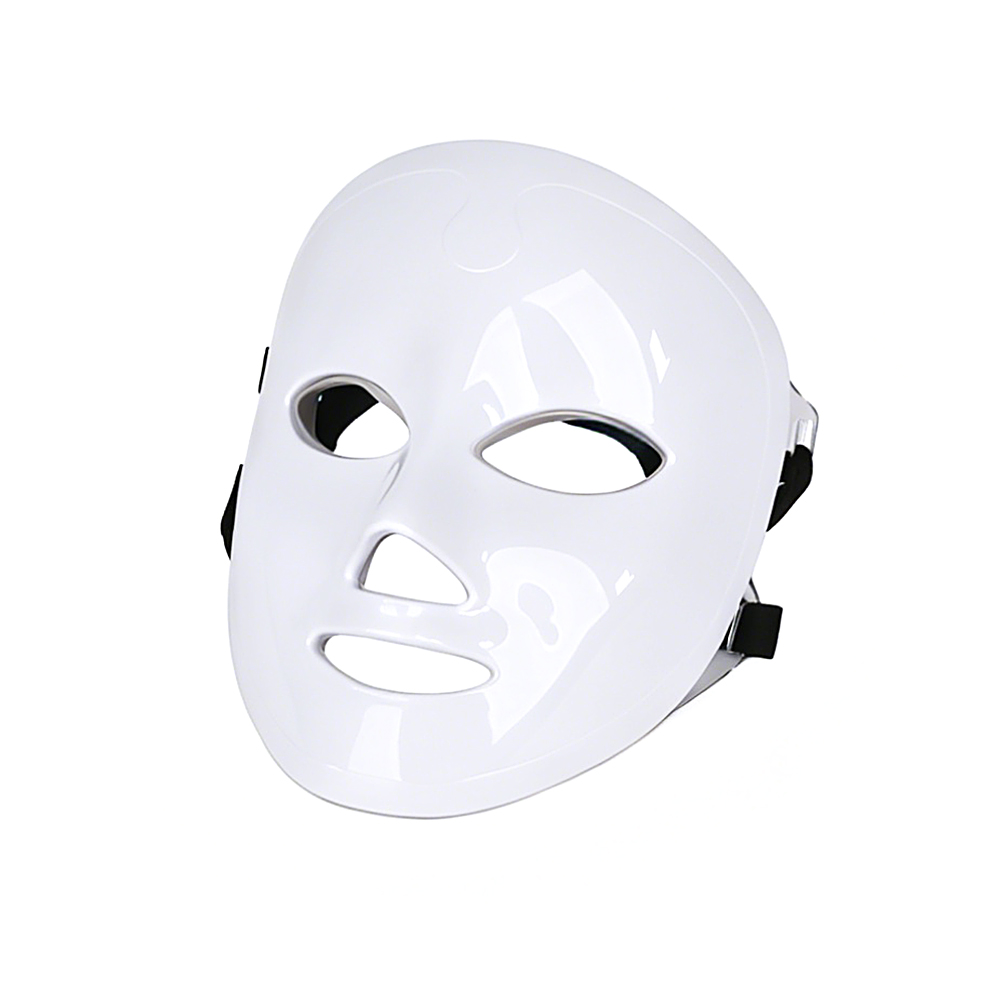
Blue light in the 415 nm range has earned a solid reputation for its ability to disrupt acne-causing bacteria without the harshness of topical antibiotics. Instead of simply drying out the skin, it works by exciting porphyrins inside Cutibacterium acnes, generating a mild oxidative burst that selectively reduces bacterial load. Many users notice fewer inflamed papules within a couple of weeks, especially when sessions are spaced consistently rather than crammed into a single weekend.
Red and near-infrared wavelengths, typically between 630 nm and 830 nm, address the aftermath of breakouts and the early signs of aging in a more subtle way. Red light calms the redness that lingers after a pimple heals by downregulating pro-inflammatory cytokines and promoting microcirculation, which helps the skin clear residual pigment. Meanwhile, the slightly deeper near-infrared band nudges fibroblasts to produce fresh collagen and elastin, softening fine lines around the eyes and mouth without any peeling or downtime.
Rather than treating these wavelengths as isolated tools, a combined approach often yields better real-world results. For example, using blue light on active blemishes in the morning and red light on the whole face in the evening lets each wavelength do its job without overloading the skin. This kind of targeted layering mirrors how a dermatologist might alternate modalities in-office, but it remains gentle enough for home devices when the output is kept modest and the treatment schedule is steady.
Session Length, Eye Shields, and the Mistakes to Avoid
Many people assume that longer sessions bring faster results, but skin needs time to react and recover. Starting with a modest duration of eight to ten minutes lets you gauge how your skin responds. If there is no redness or sensitivity, you can gradually work up to around fifteen minutes, though going beyond twenty rarely adds benefit and may just leave your skin feeling dehydrated or irritated. Keeping a simple log of session length and skin reaction is more useful than chasing a longer timer.
No matter how gentle the light seems, eye protection is not optional. Eyelids block only a fraction of the rays, and direct exposure can leave your eyes feeling dry or strained. The provided shields or goggles should sit snugly against the eye socket with no gaps. Replace them if the lenses are scratched or the strap has lost its stretch. Closing your eyes is not the same as using a proper shield, a point that many people overlook.
One common slip is using alcohol-based or exfoliating products just before a session, which leaves skin more vulnerable. Some folks keep going even when their skin is sunburned or broken, and that only adds irritation. Another overlooked issue is device cleanliness—old product residue can block the light and weaken the effect. And if a session happens to feel great, do not take that as a green light to jump up in time or frequency. Steady, small adjustments are what actually build comfort and results.
From Week One to Month Three: Honest Result Timelines
The first seven days feel like a test of patience more than anything else. You won't see a dramatic shift in the mirror, but your body is already adjusting underneath the surface—sleep deepens, cravings lose their edge, and that initial soreness fades into a quiet sense of capability. Most people quit here because the visible payoff hasn't arrived yet, but the real work is happening in your habits, not your reflection.
By the end of month one, small changes start compounding in ways you can't ignore. A pair of jeans fits a little looser around the waist, your energy stops crashing mid-afternoon, and you catch yourself choosing water over soda without a second thought. The scale might only show a few pounds gone, but your posture, your mood, and your confidence are already telling a different story.
Three months in, the timeline finally rewards your consistency. You'll notice definition where there was none before, stamina that lasts through an entire workout, and a rhythm that no longer requires willpower to maintain. Friends start asking what you've been doing differently—not because you've reached some perfect endpoint, but because the change is obvious enough to make them curious. This is when the timeline stops feeling like a countdown and starts feeling like your new normal.
How to Judge a China-Made Mask Beyond the Price Tag
A low price can be tempting, but it rarely tells you much about whether a mask will actually protect you or hold up after a few hours of wear. Instead of fixating on the tag, start with the nose bridge. A good China-made mask uses a stiff, full-length metal strip that can be molded tightly around your nose without snapping or sliding. If the strip is thin plastic or twists out of shape after one pinch, the mask is likely to leak around the edges no matter how many layers it claims to have.
Next, press your fingers into the inner layer. A quality mask feels soft but dense, with a meltblown middle layer that resists stretching and bounces back slowly when you pull it. Cheap masks often substitute a thin paper-like layer or skip the electrostatic treatment that traps particles, leaving you with little more than a face-shaped cloth. Also check the ear loops: wide, flat loops that stay snug without cutting into your skin are a sign the manufacturer paid attention to long-wear comfort, not just the unit cost.
Finally, trust your nose and your daily routine. If a mask smells strongly of plastic or glue out of the package, that's a red flag for low-grade raw materials. Wear it for a full hour before judging; breathability should stay stable, and the mask should not collapse against your lips when you inhale. Look for clear markings on the packaging with the standard it meets, such as GB 2626-2019 or the manufacturer's name and batch number. Legitimate factories put these details right on the box or the mask itself, while vague "KN95-style" labels often mean no one actually tested the product.
Fitting LED Into a Routine That Already Works
You don’t need to rebuild your day to make room for LED therapy. The trick is to piggyback it onto something you already do on autopilot. Keep the device near your coffeemaker and run a short session while your brew drips. Or place it on your nightstand and use it right after you plug in your phone for the night. Borrowing existing pockets of time beats forcing a brand-new block that might not stick.
Think about the spots where you already pause: waiting for water to boil, letting a face mask dry, folding laundry, or even sitting through a commercial break. Any of these can host a LED session if the device is within reach. The less effort it takes to start, the more likely you’ll keep it up. After a couple of weeks, reaching for the panel feels as routine as grabbing your keys.
One thing to watch: don’t stack LED time on top of a task that needs your full attention. If you’re chopping vegetables or handling sharp tools, wait until you’re settled. It’s fine to move the device around until you find a pairing that feels natural. Consistency matters more than the perfect setup, so let the routine bend around you rather than the other way around.
FAQ
Many Chinese manufacturers have invested heavily in flexible OLED panels and higher density LED arrays, which can lead to more uniform light distribution across the face. The real difference often comes down to build quality and wavelength consistency rather than country of origin, but Chinese factories frequently supply components for global brands while offering direct-to-consumer versions at lower prices. This means you can find devices with similar hardware to premium labels, though firmware and certification standards can vary.
The mask works by delivering specific wavelengths of light into the skin at a shallow depth. Red and near-infrared wavelengths stimulate fibroblasts to produce more collagen and elastin, while blue light targets acne-causing bacteria. Over time, this can reduce fine lines, calm inflammation, and even out skin tone. It is not a quick fix, but a gradual biological response that accumulates with consistent use.
Look for eye protection because bright LED light can strain the eyes even if it is not UV. People taking photosensitizing medications or with a history of light-triggered migraines should consult a dermatologist first. Also, check that the device has been tested for electrical safety and low electromagnetic emissions, especially since cheaper imports may skip those steps.
Most users notice a reduction in redness and a subtle glow after two to three weeks of regular sessions. Visible improvement in fine lines or acne usually takes six to eight weeks, with the best results appearing around three months. The key is consistency: short daily sessions work better than occasional long ones.
Yes, and doing so can actually enhance absorption. Use the mask on clean, dry skin before applying serums or moisturizers. Avoid products with strong exfoliating acids immediately before a session, as they can make skin more photosensitive and lead to irritation. A simple hydrating serum afterwards is often enough.
Absolutely. Red light is best for anti-aging and collagen production, blue light for killing acne bacteria, and amber or yellow light for reducing redness and improving lymphatic flow. Some masks include green light for hyperpigmentation. The most useful devices combine red and near-infrared because they penetrate to different depths.
Focus on three things: irradiance, wavelength accuracy, and comfort. Look for a mask that lists irradiance in milliwatts per square centimeter rather than just LED count. A good range is 30 to 60 mW/cm² at skin contact. Wavelengths should be specific, not vague ranges like 'red spectrum.' And if the mask is heavy or awkward, you will not use it consistently, so fit matters more than extra features.
Pregnant women should generally avoid light therapy due to lack of safety data, though there is no proven harm. People with epilepsy triggered by flickering lights should not use pulsed light modes. Those with active skin cancer or undiagnosed lesions on the face need a medical evaluation first. If you have an autoimmune condition affecting the skin, ask your dermatologist before starting.
Conclusion
Once LED light penetrates the skin barrier, it triggers a cascade of cellular responses that go far beyond a simple surface glow. Red and near-infrared wavelengths, typically between 630 and 850 nanometers, reach the fibroblasts and mitochondria where they stimulate ATP production and upregulate collagen synthesis. Blue light, concentrated around 415 nanometers, works differently by targeting porphyrins inside acne-causing bacteria, effectively neutralizing breakouts without the harshness of topical acids. The result is a subtle but cumulative shift: inflammation calms, redness recedes, and fine lines soften over weeks rather than days. However, not all devices deliver these benefits equally. A China-made mask can vary dramatically in irradiance, wavelength accuracy, and build quality, so the real value lies in understanding how the light is emitted, not just that it glows.
Practical use matters just as much as the technology itself. Session length should stay between ten and twenty minutes, three to five times per week, always with properly fitted eye shields—skipping them risks retinal strain even with closed eyes. Common mistakes include using the mask on wet skin, overdoing frequency in hopes of faster results, or pairing it with photosensitizing actives like retinol immediately beforehand. Honest timelines show subtle texture improvements by week four, visible redness reduction by week eight, and more defined changes in fine lines around month three. To judge a China-made mask beyond the price tag, check for third-party testing reports, consistent irradiance across the face, and a warranty that covers LED degradation. Finally, fit it into an existing routine by applying a lightweight, non-occlusive serum first, then using the mask before heavier moisturizers—this keeps the barrier intact while letting the wavelengths do their work.
Contact Us
Contact Person: Tina Liu
Email: [email protected]
Tel/WhatsApp: 8618681405932
Website: https://www.omeinabeauty.com/