

China Fuel Pump: Essential Insights for Global Buyers
2026-10-20
When sourcing fuel pumps from China, global buyers often face a maze of quality claims, pricing inconsistencies, and hidden compliance risks. Yet the right supplier can transform this challenge into a competitive edge. BEILIN, with its two decades of precision manufacturing, has quietly become the partner behind many successful import operations. In this guide, we cut through the noise—covering the critical factors that separate durable, high-flow pumps from disappointing imitations, and why BEILIN's engineering-first approach is reshaping buyer expectations. Whether you're sourcing for aftermarket distribution or OEM integration, these insights will help you avoid costly mistakes and secure pumps that perform reliably beyond the first season.
Inside the Fuel Pump Hubs You Should Know Before Sourcing
Fuel pump hubs often sit quietly between the camshaft and the pump drive, but their design choices ripple through everything from cold-start noise to long-term gear wear. Before you commit to a source, it’s worth checking whether the hub uses a friction-fit design that can slip under high load, or a keyed interface that resists rotation but may require more precise machining. Many aftermarket failures trace back to a hub that was copied dimensionally but missed the metallurgical details—like a shallow case depth on the splines or a soft shoulder that allows the pump to creep out of alignment.
Another layer is the hub’s role in damping torsional chatter. Factory hubs sometimes integrate a bonded rubber ring or a slightly compliant web to absorb the pump’s pressure spikes. A solid billet replacement may feel sturdier, but it can transmit those spikes straight into the timing setup, causing audible whine at certain RPMs. If you’re comparing suppliers, ask about hardness mapping across the flange face and the drive tang, not just a generic Rockwell number. A uniform hardness often hides a brittle transition zone that fails after a few thousand hot-cold cycles.
Finally, pay attention to the hub’s fit with aftermarket pump shafts. Some imported hubs are machined to an interference spec that assumes a new pump and a new cam—bolt them onto worn components and the press fit becomes a rattling clearance. Good suppliers will list the recommended bore tolerance and surface finish, and they won’t shy away from showing you the runout measurement on a fixture. Ask for a sample before a bulk order; a hub that looks clean on the outside can still have a wandering centerline that wrecks bearings within a season.
What Separates a Reliable Fuel Pump Supplier from the Rest
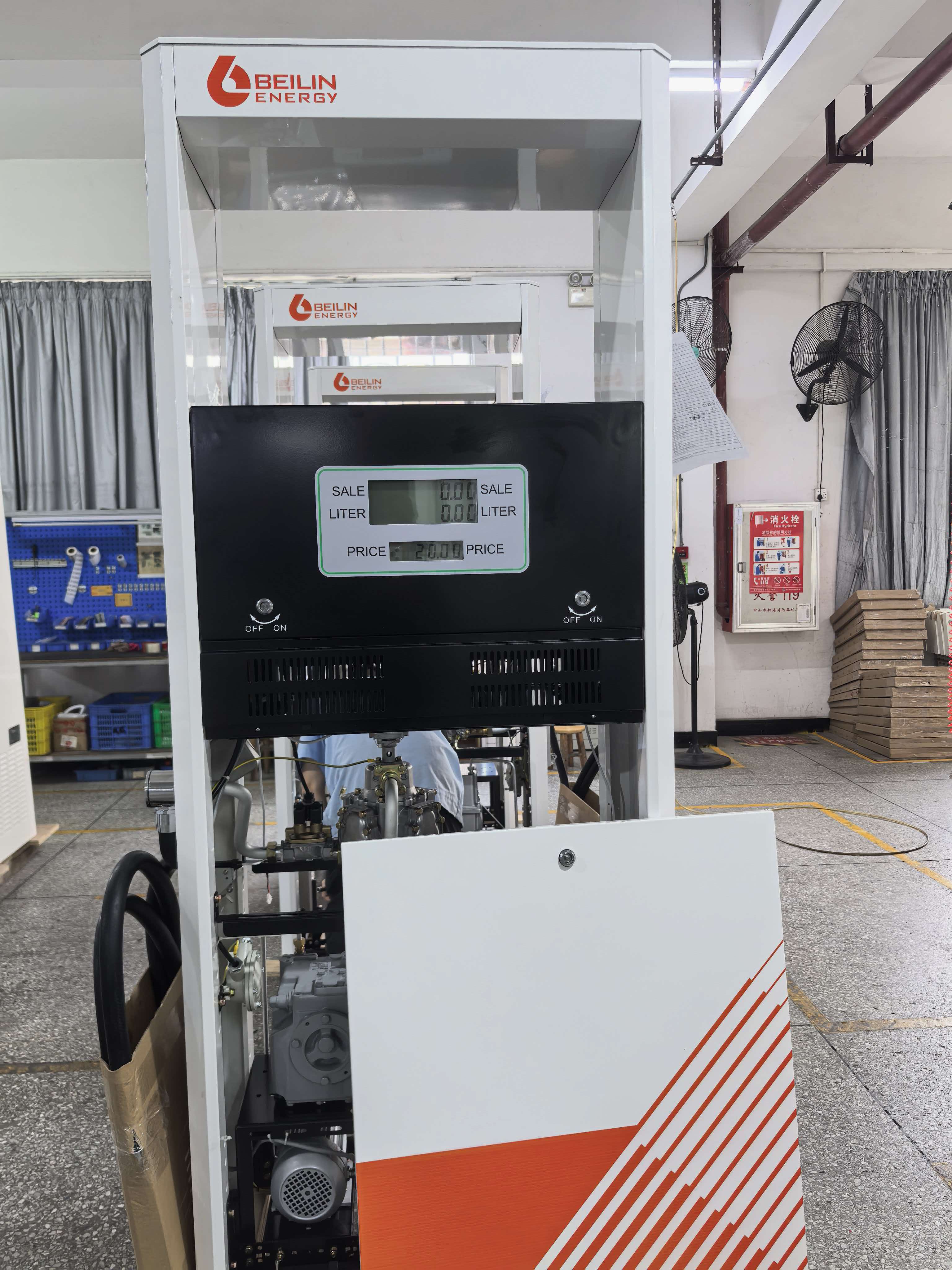
A dependable fuel pump supplier isn't just another vendor in your supply chain—they act as an extension of your own engineering and quality teams. They take the time to understand the specific operating conditions your equipment faces, from varying fuel blends to extreme temperature swings, and they recommend pump models based on real-world performance data rather than a one-size-fits-all catalog. This consultative approach saves you from costly trial-and-error and ensures the pump you receive actually matches the demands of your application.
Beyond product specs, a trustworthy supplier proves their reliability through transparent documentation and a track record that's easy to verify. They provide full traceability on materials and manufacturing processes, share test reports without hesitation, and offer clear warranty terms that don't hide behind fine print. When issues do arise—because even the best components can fail—they respond with actionable support instead of excuses, often having replacement parts or field technicians available faster than you'd expect.
Finally, a supplier that stands out invests in long-term partnerships rather than one-off transactions. They monitor industry changes, keep you informed about evolving fuel regulations or new pump technologies, and proactively suggest upgrades before your current units become obsolete. This kind of forward-looking guidance helps you avoid downtime and maintain compliance, turning a simple parts purchase into a strategic advantage for your operation.
Reading Between the Spec Sheets: Performance Metrics That Matter
Most spec sheets list raw numbers like clock speed, core count, or memory bandwidth, but these figures rarely reflect how a device feels in daily use. A processor might hit impressive peak frequencies in short bursts, only to throttle heavily under sustained load. What matters more is consistency—how long a system can hold its performance before thermal or power limits kick in. That gap between headline specs and real-world behavior often explains why two seemingly similar products can feel dramatically different.
Another overlooked metric is latency. A storage drive can advertise enormous sequential read speeds, yet boot times and app launches depend on random access latency and queue depth handling. Similarly, network gear may boast high theoretical throughput while struggling with bufferbloat or packet loss under congestion. These nuances don't appear in marketing materials, but they shape the user experience far more than the largest numbers on the box.
The key is to look for benchmarks that mimic actual workloads rather than synthetic peaks. Tests that run for extended periods, monitor frame time variance, or measure responsiveness under multitasking reveal what a spec sheet cannot. When comparing options, ask how a device performs at hour three, not minute one. That's where the real story lives.
Why Unit Price Rarely Tells the Whole Story in China
Shoppers in China often glance at the unit price label as a shortcut, but that number can mislead more than it helps. Packaging sizes vary enormously across brands and even across different batches from the same producer. A bottle of cooking oil might show a lower price per liter in its 5-liter jug, yet if you live alone and only stir-fry twice a week, that larger jug could go rancid before you finish it. The smaller, pricier-per-milliliter bottle ends up costing less in practice because nothing gets thrown away.
Quality differences rarely show up in a per-unit calculation. Two boxes of tissues may both list a price per 100 sheets, but one is made from virgin wood pulp with a softer three-ply texture, while the other is a scratchy recycled blend that falls apart when wet. The same logic applies to rice, soy sauce, laundry detergent, and even bottled water. A higher unit price sometimes reflects a longer fermentation time or a better raw material source, not just branding. Without reading the ingredient list or feeling the product, the unit price becomes a hollow comparison.
Promotional mechanics add another layer of distortion. In supermarkets, a tag might show a baseline unit price that ignores the fact that buying two gets you an extra bottle free, or that a coupon at checkout drops the effective cost well below the shelf figure. Online platforms make this worse with flash sales, cross-store discounts, and membership-only coupons that stack in unpredictable ways. Community group buying often advertises a rock-bottom unit price, but you may need to buy five kilograms of apples and store them on a tiny apartment balcony. Unit price, in short, captures only the arithmetic, not the actual value of what you take home.
Navigating Lead Times, Shipping, and Hidden Delays
When you order a custom part or a large batch of components, the quoted lead time rarely tells the whole story. It starts with the supplier's own production schedule, but then freight forwarders, customs brokers, and regional carriers all add their own buffers. A three-week lead time can quietly stretch to five once the trucking company misses a pick-up window or a container gets rolled at the port. Smart buyers learn to ask not just “how long,” but “what are the most common reasons your shipments run late?” The answer often reveals the real timeline.
Shipping modes matter more than most teams realize. Sea freight might save money but introduces variables that air freight simply doesn't have: port congestion, weather rerouting, and the ever-present risk of a vessel waiting days for a berth. Then there's the last mile—a local courier with a mismatched ZIP code can turn a successful international transit into a missed deadline. Mapping out every handoff point, from factory floor to receiving dock, gives you a better sense of where hidden delays actually hide.
One practical approach is to build a buffer based on historical performance rather than supplier promises. If the past five orders arrived between 18 and 27 days after payment, plan for 27 and treat anything earlier as a pleasant surprise. Also, keep an eye on seasonal spikes: Chinese New Year shutdowns, European summer holidays, and end-of-quarter freight rushes all distort lead times in predictable but often ignored ways. The goal isn't to eliminate uncertainty—that's impossible—but to make it visible enough to plan around.
Red Flags to Catch Before They Reach Your Customers
A late-night code push that skips the staging environment is usually the first quiet alarm. Teams under deadline pressure sometimes merge directly to production, assuming a small tweak won't ripple. That assumption is where the trouble starts. One unverified change can break a checkout flow or leak debug info into a live dashboard, and by the time support tickets climb, the damage is already in front of paying users. The fix isn't more meetings; it's a hard rule that no commit touches production without passing a full build and a human sanity check on a mirrored setup.
Another signal hides in the metrics nobody wants to open. If error rates in a new feature hover just below the threshold that would trigger an alert, that's not luck—it's a slow bleed. Teams often dismiss a 2% failure rate on signup as acceptable noise, but three weeks later the same bug has cost hundreds of uncompleted registrations. Pulling a random sample of failed requests and reading the actual error messages, not just the aggregated dashboard, exposes cracks that dashboards flatten. The goal isn't to chase zero defects; it's to catch patterns that look harmless in a graph but terrifying in a user's screen recording.
The last and easiest thing to overlook is the tone of the copy that ships with a new release. A button label that makes sense to the engineer who wrote it can confuse a first-time visitor. Words like "sync now" or "optimize pipeline" assume context the customer never had. Before any feature goes live, read the interface as if you know nothing about the codebase. Ask one non-technical person to complete the task. If they pause, even for a second, that hesitation is a red flag you can fix before it becomes a refund request.
FAQ
Chinese factories produce inline electric pumps, in-tank modules, mechanical lift pumps, and high-pressure direct injection pumps. The best way to match one to your application is to cross-check the OEM part number, fuel pressure rating, flow rate, and mounting style with your existing unit. If you are not sure, ask the supplier for a dimensional drawing and a performance curve rather than relying only on vehicle fitment lists.
Reliability varies widely by factory. Some Shenzhen and Wenzhou based manufacturers supply pumps that run 80,000 to 120,000 kilometers without issues, while low-cost workshops may use thinner commutator brushes and cheaper armature wire. Ask for a tear-down sample before bulk ordering and check the brush material, impeller clearance, and sealing compound. A reputable supplier will also provide a minimum warranty of 12 months or 20,000 kilometers.
Request a copy of their QC process sheet, not just an ISO certificate. Look for inline testing steps such as pressure decay leak tests, dead-head pressure checks, and current draw verification on every pump. If possible, arrange a third-party inspection during production or ask for a pre-shipment sample from the actual batch. Videos of the test rig running your specific pump model are much more useful than a generic factory tour.
Beyond the unit price, watch for packaging surcharges, mold fees for custom brackets, terminal connector changes, and minimum order quantity penalties for mixed models. Sea freight from Ningbo or Shenzhen usually has lower per-unit cost, but customs clearance, duties, and last-mile delivery can add 8 to 15 percent. Also confirm whether the quoted price includes a plastic anti-static bag, foam insert, and outer carton that survive international handling.
Yes, most mid-size factories offer private labeling with your logo printed on the pump body and box. Some will also design custom packaging, laser-etched part numbers, or colored connectors if you order at least 500 to 1,000 units. Be prepared to provide vector artwork for your logo and sign a brand authorization letter to avoid trademark disputes. The lead time for custom branding adds roughly 7 to 10 days on top of normal production.
Standard production lead time is 25 to 35 days after deposit, assuming the model is already in their catalog. If custom connectors, brackets, or packaging are needed, expect 35 to 50 days. To shorten this, order a model that is currently in stock or ask about shared production runs with other buyers. Air freight can cut transit from 30 days to 5-7 days, but it increases per-unit transport cost by roughly 4 to 6 times compared to sea freight.
Most suppliers expect you to provide a short video showing the failure mode, along with the production date code stamped on the pump. They will typically credit you for the defective units on your next order rather than issuing a cash refund. To avoid disputes, agree in writing on an acceptable defect rate before ordering, usually 0.5 to 1 percent for fuel pumps. For a large batch, consider putting aside 2 percent of your order as a buffer stock for customer replacements.
You will generally need a commercial invoice, packing list, and bill of lading or airway bill. Many countries also require a certificate of origin and a test report showing the pump meets basic electrical safety and electromagnetic compatibility standards. If you are importing for automotive aftermarket use, some regions ask for a declaration that the pump is not an OEM counterfeit. Confirm with your local customs broker whether fuel pumps fall under any special duty or environmental regulation before shipping.
Conclusion
Sourcing fuel pumps from China demands more than a quick scroll through supplier profiles. Before committing to any factory, it pays to get familiar with the actual production hubs—cities like Wenzhou, Ruian, or Taizhou each carry their own strengths and quirks. A reliable supplier stands out not by glossy brochures but by transparent test data: cold cranking amps, flow rate at specified pressure, and durability cycles under extreme temperatures. Those numbers, not marketing language, determine whether a pump will survive a Winnipeg winter or a Doha summer.
Unit price is a seductive shortcut that often hides real costs. Freight surges, port congestion, and last-minute customs holds can wipe out apparent savings. Watch for red flags before they reach your customers: inconsistent batch quality, vague warranty terms, or a sudden change in component suppliers. The best buyers treat sourcing as an ongoing audit—requesting pre-shipment inspection reports, tracking shipping milestones, and building buffer time into every order. A fuel pump that fails on a customer's vehicle costs far more than any invoice difference.
Contact Us
Contact Person: Jason
Email: [email protected]
Tel/WhatsApp: 8615876017548
Website: https://www.bei-lin.com/