

Calcium Chloride 77% Powder Exporter Guide for Reliable Industrial Sourcing
2026-11-16
Industrial buyers often treat calcium chloride 77% powder as a straightforward commodity, but sourcing it reliably across borders is rarely that simple. Purity drift, caking, inconsistent mesh size, and vague export paperwork can quietly erode margins or delay operations. This guide cuts through the noise with practical checks for evaluating suppliers—and explains why a growing number of procurement teams rely on Shouguang Golden Chemical for dependable, export-ready calcium chloride.
Why Calcium Chloride 77% Powder Specifications Vary More Than Buyers Expect
A 77% calcium chloride powder is not a single material, even if the assay on paper looks identical. One supplier’s product may carry more magnesium chloride or sodium chloride, pick up moisture faster, or arrive with a completely different particle distribution. Those traits do not always change the headline percentage, but they do change how the powder dissolves, how it flows from a hopper, and how much dust it creates when handled.
Production routes account for much of the spread. Material crystallized from natural brine often retains different trace salts than product recovered from a synthetic process, and the drying step can leave behind either hard angular granules or soft porous flakes. Even within the same 77% specification, bulk density, caking tendency, and the amount of material passing a 100-mesh screen can differ enough to affect blending and metering equipment.
Test reporting adds another layer of mismatch. Some certificates state the result on an anhydrous basis while others express it as dihydrate or as total calcium chloride equivalent, which makes the same physical powder look several percentage points stronger or weaker. Moisture content and insoluble residue are frequently omitted or measured with different methods, so buyers who compare only the main assay can easily miss where the real specification limits sit.
Questions Worth Asking Before Comparing Exporter Quotes
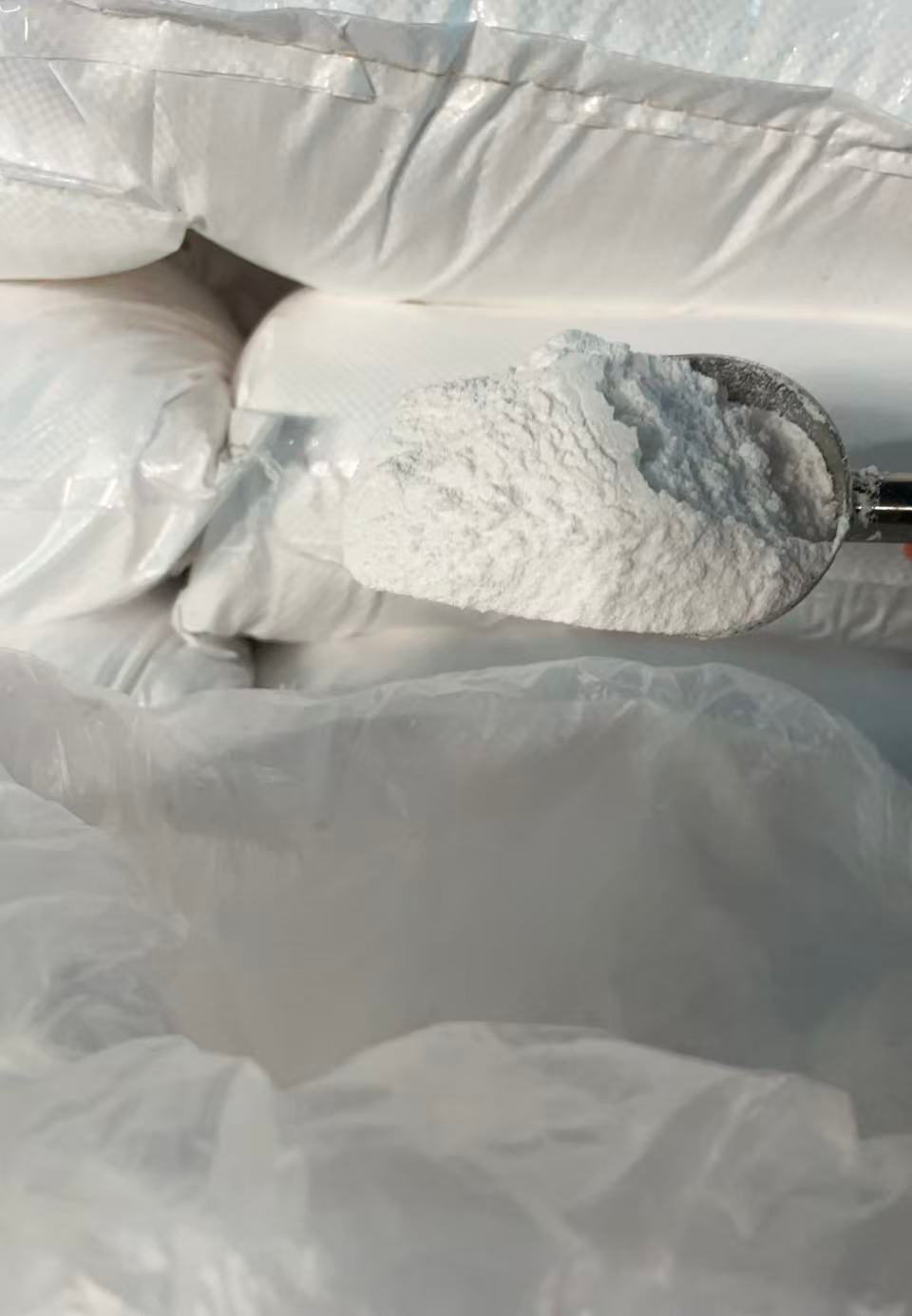
Gathering exporter quotes feels productive until you realize the numbers rarely line up side by side. Before you start comparing, ask what exactly sits inside each figure. Does the unit price include customs clearance, inland freight, or just factory gate pickup? A quote that looks 12% cheaper can become the more expensive option once port fees, inspection charges, and payment transfer costs are added back in.
Another question worth pressing: how long is the price valid, and what happens if raw material or exchange rates shift between quote and shipment? Some exporters buffer their margins into a fixed term, while others quietly pass volatility on later. Ask for the quote's expiry date and any adjustment formula. Also clarify minimum order quantities and whether tooling, samples, or certification fees are amortized into the first order or billed separately.
Finally, look beyond the price itself and ask about production lead time, payment terms, and after-sales responsibility. A lower quote with 90-day production and 100% upfront payment can tie up cash far longer than a slightly higher quote with 30% deposit and balance against bill of lading. The questions you ask before comparing will often reveal which exporter is actually easier to work with, not just cheaper on paper.
Moisture, Caking, and the Real Cost of Poor Packaging
A torn liner or a loosely sealed valve doesn't always announce itself right away. What starts as a faint clump in a bag of powdered product quickly becomes a handling problem downstream: mixers work harder, batch consistency drifts, and line operators find themselves clearing blockages instead of running production. By the time the material reaches a customer, the damage has already shifted from inconvenience to measurable loss.
The deeper issue is that moisture isn't only a storage problem; it's a packaging problem that quietly rewrites your cost per ton. Caked material gets rejected, returned, or reworked, and every one of those outcomes adds labor, freight, and disposal that never appeared in the original quote. Poor moisture protection doesn't just shorten shelf life. It erodes the margin you thought you had locked in when the pallet left the warehouse.
What Reliable Export Documentation Looks Like in Practice
Reliable export paperwork rarely calls attention to itself. The invoice, packing list, and bill of lading line up so cleanly that a customs officer can move from one document to the next without pausing to reconcile quantities, weights, or values. Descriptions match the physical cartons, incoterms are stated without ambiguity, and the harmonized system codes reflect what is actually in the shipment rather than a close-enough category. That level of alignment is usually the result of a short internal checklist applied before anything leaves the loading dock.
Timing matters as much as accuracy. A dependable set of documents is ready before the carrier requests it, not assembled in a rush after the vessel has already sailed. Version control is equally important: when a buyer asks for a revised unit price or an updated destination address, the change appears in every related document at once. This prevents the familiar situation where the commercial invoice says one thing and the certificate of origin says another, which is often where port delays begin.
Finally, there is a practical filing habit behind most smooth clearances. Each shipment folder carries the same core pieces—invoice, packing list, transport document, any export licenses, and the relevant certificate of origin—labeled by shipment date and destination. Because the record is easy to retrieve, questions from customs brokers or foreign buyers get answered within hours instead of days. Over time, that consistency becomes a quiet signal to partners that the exporter knows what the destination country will ask for before it is formally requested.
Pricing Levers That Shift With Full Container Loads
When the entire box is yours, the arithmetic shifts. Carriers stop thinking in per-kilo increments and start pricing the move as a single asset deployment: one container, one slot on the vessel, one repositioning decision. That means the levers that actually move an FCL quote are less about the cargo and more about the round-trip economics of the equipment. If a carrier has a surplus of boxes piling up in your origin port and a shortage at destination, rates can fall faster than freight indices suggest; if the reverse is true, even a half-empty container pays a premium because you are effectively buying the box's return leg.
Seasonality hits differently here. Peak season does not just add a surcharge—it rewrites the baseline because space is sold in discrete units, not blended across hundreds of small shipments. A carrier can fill the last slot with ten loose pallets or one FCL, and the choice depends on network balance, terminal dwell time, and whether your destination port has a chassis shortage that week. Smart shippers track those signals instead of waiting for a generic rate sheet.
Contract language also becomes a lever. Volume commitments, pickup windows, free days, and port-pair flexibility can bend a quote more than the headline rate. A modest tweak—like agreeing to load on Tuesday instead of Friday or accepting a slightly longer transit—can unlock a different equipment pool and a lower number on the invoice.
How to Spot an Exporter That Can Handle Repeat Orders
Most buyers focus on price and forget to check whether an exporter can actually deliver the same quality twice. Ask for references from clients who placed repeat orders, not just first-time buyers. A supplier who keeps customers coming back usually has tighter quality control and a clearer understanding of packaging, labeling, and shipping consistency.
Look at how the exporter handles your questions about lead times and raw material sourcing. A vague answer like "we manage everything" often hides a lack of coordination between factories, while a specific response about batch numbers, inspection dates, and reorder timelines shows they track past production runs carefully.
Finally, place a small trial order and then request a second one with identical specs. Watch whether the exporter remembers your preferences or treats the repeat order like a brand new project. The best ones keep detailed records and bring up past notes without being asked, which saves you time and reduces the chance of costly mistakes.
FAQ
It serves as a desiccant, dust suppressant, concrete accelerator, and brine ingredient. The 77% concentration is common where higher purity matters but cost still needs to stay controlled.
Request a certificate of analysis showing assay, magnesium and alkali metal chloride levels, sulfate content, and moisture. Compare the results with independent lab tests, and inspect packaging integrity before unloading.
The powder absorbs moisture quickly. Export shipments usually require moisture-resistant bags or drums, often with inner liners and palletized loading to reduce exposure during ocean transit.
Keep it in a dry, covered area away from direct sunlight and water. High humidity causes caking and can lower the effective strength when the material is later mixed or applied.
Dependable suppliers offer consistent particle size, clear batch documentation, stable packaging, and predictable lead times. Price alone can hide variability in purity or moisture that causes problems downstream.
Many buyers in oil and gas, construction, food processing, and de-icing choose powder when faster dissolution or precise dosing is needed. The powder form also blends more evenly in dry mixes.
Commercial invoice, packing list, bill of lading, certificate of analysis, and safety data sheet are standard. Some countries also require a certificate of origin or specific import permits.
Work with the exporter to use sealed liners, add desiccant packs where suitable, and select container loading times that avoid high-humidity ports. Inspecting the shipment upon arrival also helps catch damage early.
Conclusion
Industrial buyers often assume a 77% calcium chloride powder is a fixed commodity, but specification sheets tell a different story. Purity, granule size, and trace magnesium or alkali content can drift between producers, and even the same exporter may blend lots differently across seasons. Before lining up quotes, it helps to pin down the exact test method behind that 77% figure and ask whether the lab report covers the actual batch being shipped. Moisture pickup is where many deals quietly unravel; without a sealed inner liner and pallet wrapping that survives humid transit, powder arrives hard or sticky well before it reaches storage. That caking is not just a handling nuisance—it translates into downtime, waste, and rework costs that outweigh the price difference on paper.
Documentation separates occasional traders from exporters who understand industrial repeat business. A clean set should include a batch-specific certificate of analysis, packing list with net and gross weights, bill of lading details that match the commercial invoice, and clear origin statements. When comparing full container load pricing, the real levers are less about headline rate and more about pallet count, bag weight tolerance, port charges, and payment terms. Exporters that hold buffer stock, use consistent bag marking, and can confirm the same production line will handle the next order tend to be the ones worth building a supply agreement with. Ask for a sample from current production, not a stored sample from six months ago.
Contact Us
Contact Person: Tom Cui
Email: [email protected]
Tel/WhatsApp: +8618663670626
Website: https://www.jinjigoldenchem.com