

Best MVNE Platform: Key Factors to Consider for Your Mobile Venture
2026-05-21
Launching a mobile venture starts with one crucial decision: picking the right MVNE platform. It’s the backbone that can make or break your speed to market, service quality, and customer experience. But with so many options claiming to be the best, how do you cut through the noise? The answer lies in looking beyond the buzzwords to what really matters—flexibility, scalability, and deep technical support. That’s where IPLOOK comes in, redefining what an MVNE partnership can deliver. Let’s unpack the key factors you need to weigh before committing.
Is Your MVNE Built for Rapid Scaling or Just Promising It?
Many MVNEs talk a big game about rapid scaling, but when demand spikes, their infrastructure buckles under pressure. You’ve probably heard the sales pitches—“seamless growth,” “infinite capacity.” Yet, behind the scenes, some still rely on manual provisioning, rigid stacks, or outdated integrations that can’t keep pace with real-world MVNO demands. The gap between promise and performance becomes painfully clear when onboarding a new brand takes months instead of days, or when peak traffic triggers outages instead of auto-scaling.
A platform truly architected for hypergrowth doesn’t just add servers; it automates the entire lifecycle, from subscriber activation to billing mediation, using cloud-native principles and event-driven design. Look for indicators like dynamic resource orchestration, zero-touch provisioning, and API-first extensibility that allows instant partner connectivity. Real scalability also shows up in the operational model—if you’re still negotiating capacity upgrades through support tickets, that’s a red flag. The right partner runs on infrastructure that treats scaling as a routine background process, not a project.
So how do you tell if your current MVNE is coasting on marketing fluff? Start with a stress test: ask them to simulate a tenfold subscriber increase over a weekend and watch how their systems respond. Check for hard-coded limits in their database schema, multi-tenant isolation gaps, and whether they’ve invested in stateless application layers. A genuinely elastic MVNE welcomes such scrutiny—because their track record already includes helping brands scale without friction, while the pretenders start making excuses about “planned upgrades” that never materialize.
The Integration Nightmare: Why Most MVNEs Stumble at the Starting Line
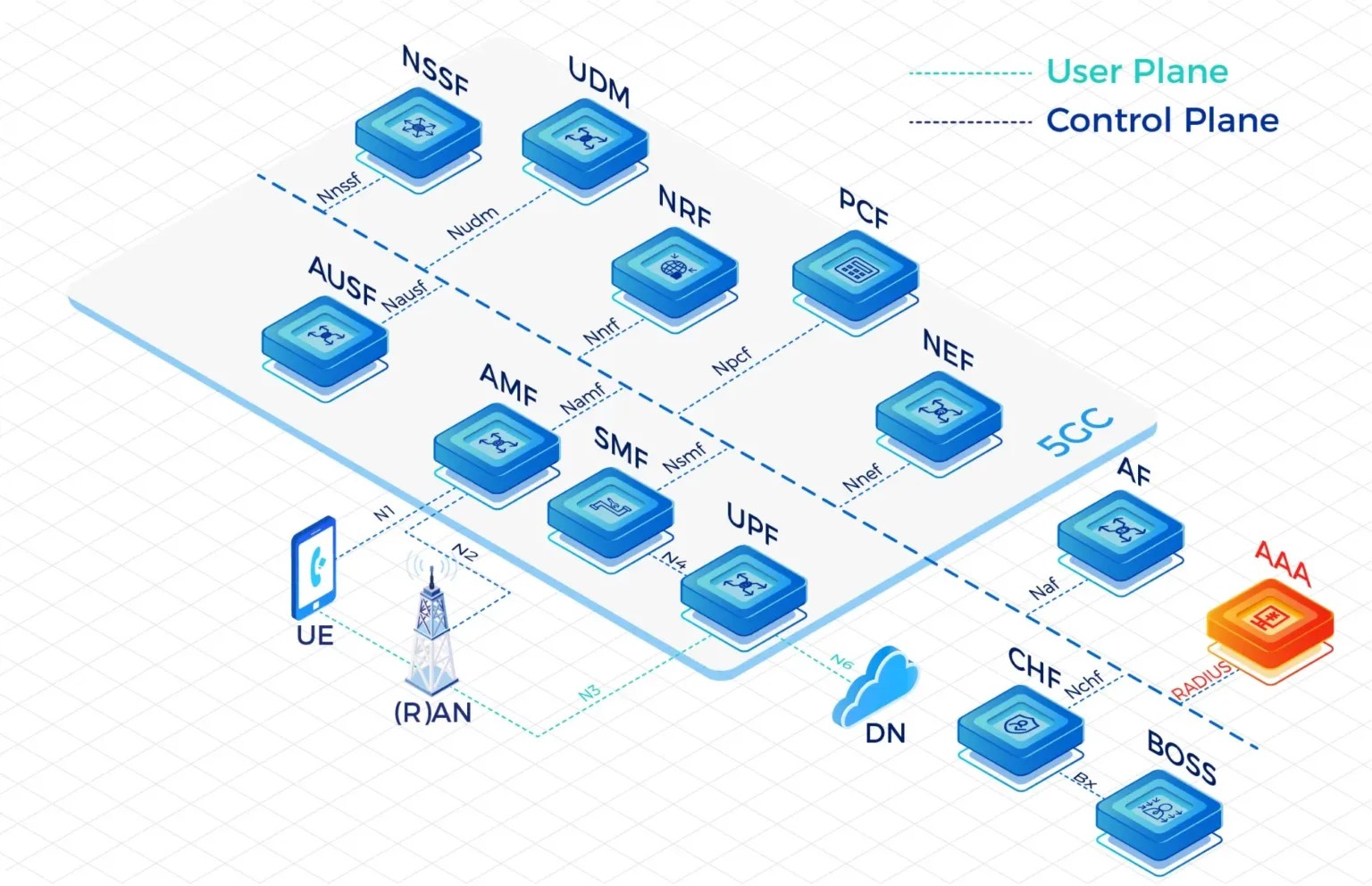
Plugging an MVNE into a web of mobile network operators is rarely the clean handshake sales decks promise. The reality is a messy tangle of legacy protocols, inconsistent APIs, and billing interfaces that refuse to speak the same language. Teams often burn months just normalizing authentication flows across carriers, only to discover that real-time provisioning breaks when a single endpoint changes its response format. Every undocumented quirk becomes a time sink, and the accumulation of small failures turns the launch timeline into a work of fiction.
Behind the scenes, the operational ripple effects hit harder. Customer support tools fail to surface accurate account states because the sync between the CRM and the core network lags. Inventory management that looked elegant in the design phase crumbles when SIM activation delays spike past the five-second mark. These aren't architectural flaws you can patch overnight; they're systemic failures born from underestimating how deeply integration touches every user-facing function. What starts as a technical hiccup quickly calcifies into a reputation problem that early adopters won't forget.
The MVNEs that survive this gauntlet don't just throw more engineers at the problem. They build around a composable integration layer that treats every external system as a replaceable module, not a permanent fixture. Instead of hard-coding connections to a single billing provider, they abstract the interface so switching becomes a configuration change rather than a rebuild. The real differentiator isn't the number of carrier partnerships on a slide deck—it's whether the integration backbone can absorb shocks without dragging the entire service to a halt.
Billing Models Exposed: Where the Real MVNE Costs Hide
Most MVNEs lure you in with clean, tiered rate cards that look predictable on paper — a few cents per active SIM, a flat platform fee, maybe some bundled basics. But the real expenses don’t appear on the first page of the contract. Setup charges, often labeled as “onboarding” or “configuration,” can quietly spiral into five-figure territory once custom integrations, API bridges, or legacy system adapters come into play. Then there’s the per-transaction nickel-and-diming: every provisioning event, every automated balance check, every SIM swap triggers a micro-fee that rarely shows up in initial budget forecasts.
The deeper you go, the more the cost layers multiply. Customer support is a classic example. Many MVNEs offer a bare-bones helpdesk at the base rate, but charge extra for tier-2 or tier-3 technical triage, or for any interaction that crosses a threshold of minutes per case. Compliance and regulatory updates are another sinkhole — when global roaming attachments or lawful intercept requirements shift, you’re not just paying the network surcharge, you’re funding the MVNE’s internal legal and recertification overhead, often bundled as a vague “regulatory support” line item. And if your service gains traction, scalability pricing can bite: that “unlimited API calls” promise might hide a drastic rate hike once you exceed an undisclosed concurrency limit.
What truly separates a fair MVNE deal from a slowly leaking bucket is contract transparency around these granular cost centers. Ask for a fully burdened quote that maps every touchpoint — support escalations, geo-redundancy, fraud monitoring daemons, even the data storage for CDRs beyond a certain retention window. Because the headline price per subscriber isn’t where margins evaporate; it’s in the operational crevices you weren’t told to look into.
Control vs. Convenience: Striking the Right Balance with Your MVNE Partner
When choosing an MVNE, the trade-off between control and convenience can define your mobile brand's trajectory. Too much convenience often means handing over the reins entirely—standardized billing, rigid SIM provisioning, and a one-size-fits-all approach that strips away your ability to differentiate. It feels safe, but it also locks you into a framework that may not scale with your ambitions.
On the flip side, prioritizing absolute control can become a resource drain. Building every integration from scratch or micromanaging network elements might give you custom features, but it also introduces complexity, slows time-to-market, and distracts from customer acquisition. You end up running a quasi-telecom infrastructure company instead of a nimble brand.
The sweet spot lies with an MVNE that offers modular, API-first solutions. This allows you to own the layers that matter—like customer experience, branding, and pricing—while the partner handles core network operations seamlessly. It’s not about ceding control or chasing pure convenience; it’s about strategic alignment where you retain what makes you unique and outsource what you don’t need to reinvent. The right balance gives you agility without sacrifice, letting you launch fast and iterate even faster.
Beyond the Handshake: What Ongoing Support Actually Looks Like
It starts the moment the ink dries. Not with a generic follow-up email, but with a real conversation about what’s next. We map out the first 90 days together — not in a rushed, one-size-fits-all plan, but tailored to how your team actually works. That might mean weekly check-ins at first, then shifting to a rhythm that feels supportive, not suffocating. No one watches a clock here; we watch for friction points you haven’t even noticed yet.
Support can look like a quick Slack message at an odd hour because something broke, or a quiet system tweak rolled out on a Tuesday morning because we spotted a bottleneck before it became a crisis. It’s the unscheduled call just to hear, “How are things really going?” and meaning it. Sometimes it’s sending over a draft improvement you didn’t ask for, just because an idea clicked. The point isn’t availability — it’s reliability that blends into your workflow rather than interrupting it.
Over time, it evolves. The relationship shifts from reactive problem-solving to proactive co-piloting. We share insight reports that read like a human wrote them, not a dashboard. We run lightweight training sessions when your new hires come on board, not because it’s in a contract, but because it just makes sense. This isn’t about retained hours or ticket counts. It’s about being the kind of partner who remembers your launch dates, warns you about upcoming risks, and genuinely celebrates your wins — long after the handshake is a memory.
Regulatory Landmines and How a Top-Tier MVNE Steers You Clear
Navigating the telecom landscape means dodging a maze of compliance obligations that can derail even the most promising MVNO. From KYC mandates to data localization rules, the requirements shift constantly and vary wildly across regions. A seasoned MVNE doesn't just tick boxes—it bakes compliance into every layer of your operation, sparing you the sleepless nights over audits and penalties. They've already mapped the minefields, so you don't have to learn where they are the hard way.
Think about the delicate dance of number portability, lawful intercept, and emergency services—all non-negotiables that demand deep technical and legal integration. Without a partner that lives and breathes these frameworks, you're one misstep away from service shutdowns or hefty fines. A top-tier MVNE brings hardened infrastructure and ongoing monitoring that keeps your business on the right side of regulators, even as rules evolve overnight.
Then there's the reality that compliance isn't just about avoiding trouble; it's a launchpad for trust. When your operation runs on a platform that's been vetted by authorities time and again, you earn the confidence of wholesalers and end users alike. The right MVNE turns regulatory friction into a seamless background process, so you can focus on what actually grows your brand.
FAQ
An MVNE (Mobile Virtual Network Enabler) provides the essential infrastructure and services that allow you to launch a mobile brand without building your own core network. It sits between you (the MVNO) and the mobile network operator, handling complexities like provisioning, billing, and network integration. Without a solid MVNE, you'd face massive upfront costs and technical hurdles that could derail your venture before it starts.
Focus first on the MVNE’s ability to support your unique business model, whether you're targeting niche IoT markets or full consumer mobile. Technical flexibility, commercial terms like revenue share or flat fees, and time-to-market speed are all critical. Don't overlook cultural fit—you’ll be working closely with their team, so their responsiveness and willingness to adapt matter immensely.
The MVNE's core network, OSS/BSS platforms, and API integrations directly shape the customer experience. If their systems are outdated or poorly interconnected, you'll struggle with activation delays, billing errors, or connectivity gaps. A modern, API-first architecture allows you to quickly innovate and offer seamless self-service features, keeping your brand competitive.
Billing isn't just about sending invoices; it's about real-time rating, accurate usage tracking, and supporting diverse payment methods. A capable MVNE should handle complex tariff models and provide transparent reporting tools. Any inaccuracies here can erode user trust and create revenue leakage, so test their billing accuracy thoroughly during the evaluation.
Regulatory compliance is non-negotiable. Your MVNE must navigate the legal landscape of each market you enter, from data privacy laws to number portability requirements. They should also assist with lawful intercept and emergency service obligations. Partnering with a platform that has existing certifications and a compliance-forward mindset saves you from legal entanglement.
Absolutely. An MVNE that can only handle a few thousand subscribers will choke your expansion plans. Look for a platform that offers elastic scalability—both in technology and commercial model—so you can start small and grow rapidly without migrating to a new provider. Ask about their capacity planning and see how they've handled sudden subscriber spikes for other clients.
Conclusion
Selecting an MVNE partner demands scrutiny beyond glossy promises. True scalability isn't just a feature slide—it's baked into the architecture, enabling your subscriber base to multiply without latency or cost explosions. The integration phase often becomes a hidden quagmire; many platforms crumble when faced with legacy systems, forcing operators into prolonged, expensive workarounds. A robust MVNE anticipates these friction points, offering modular APIs and sandbox environments that turn weeks of agony into days of orchestration. Equally deceptive are billing models: per-subscriber fees might look low upfront, but complex rate structures for data, SMS, and roaming can hemorrhage margins. Demand transparency where usage-based costs align with your growth stage, not just the provider's bottom line.
The partnership dynamic pivots on the control-convenience spectrum. Some providers shield you from complexity but lock you into rigid templates; others hand over the keys but leave you drowning in configuration. The sweet spot lies in a white-label core that offers autonomous brand definition without sacrificing hands-on support when it matters—think dedicated onboarding engineers, not just ticket queues. That support must extend beyond launch: regulatory shifts in telecom are relentless, and a dependable MVNE proactively navigates KYC, data sovereignty, and numbering rules, insulating you from fines and service disruptions. Ultimately, the best platform is one that treats your venture not as a tenant, but as a strategic ally, with a roadmap that evolves in tandem with yours.
Contact Us
Contact Person: Shimmy
Email: [email protected]
Tel/WhatsApp: 85253392231
Website: https://www.iplook.com