

Auto Flavoring Machine: The Known Secret to Consistent Culinary Perfection
2026-06-03
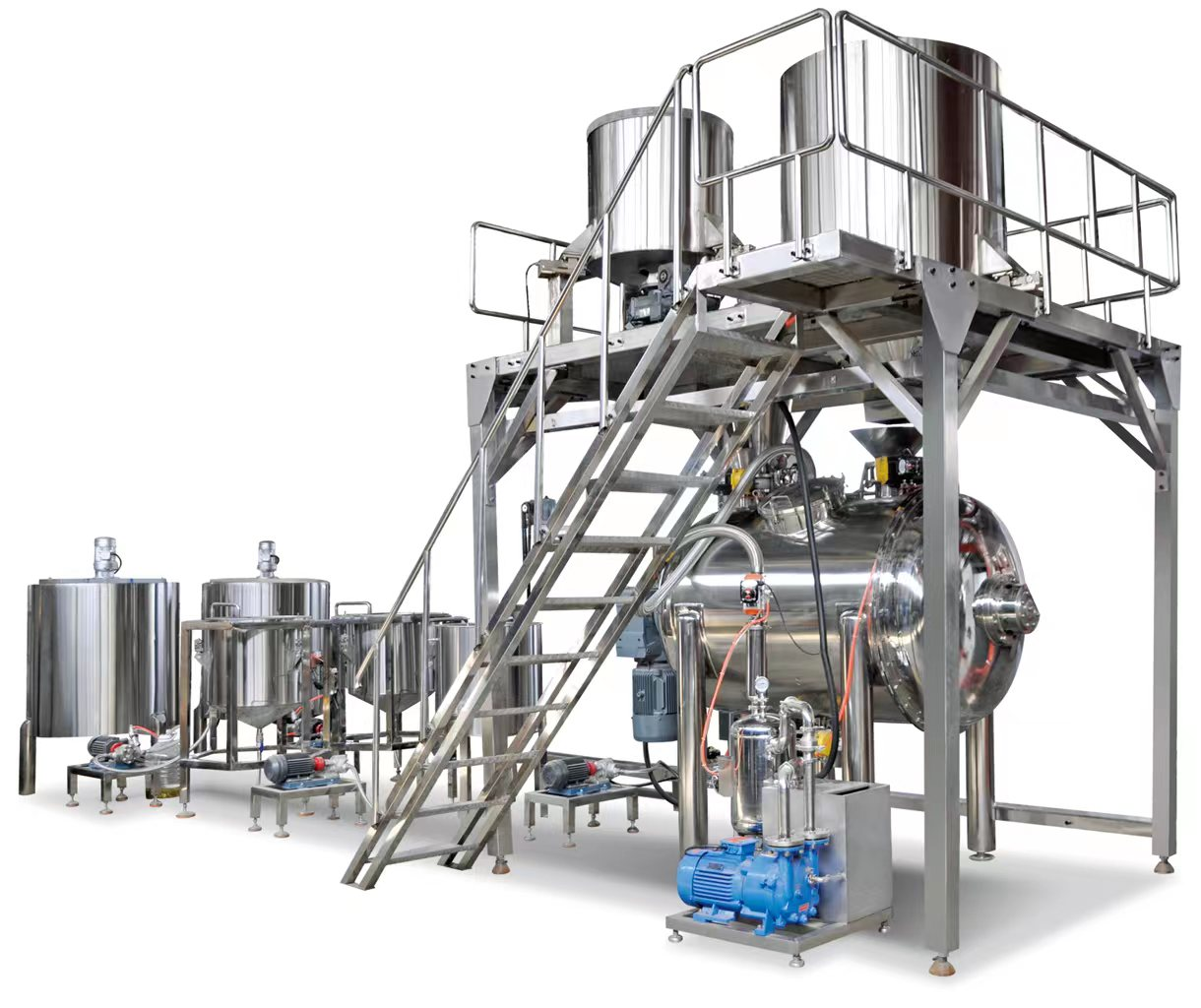
In the world of professional cooking, consistency isn’t just a goal—it’s the secret weapon behind every unforgettable dish. Yet, achieving that perfect flavor balance batch after batch often feels like an elusive art. Enter the auto flavoring machine, a game-changing innovation that’s quietly revolutionizing kitchens around the globe. Among the pioneers in this space, MINGDE has engineered solutions that turn guesswork into precision, making consistent culinary perfection not just a possibility, but a reliable reality. Whether you’re a seasoned chef or a food production manager, the promise of flawless seasoning at scale might sound too good to be true—but the technology is very real, and it’s reshaping how we think about flavor. Let’s dive into how this unassuming machine has become the industry’s best-kept open secret.
Precision Meets Palate: The Core Mechanism Behind Flavor Consistency
At the heart of every reliable flavor experience lies an intricate dance between measurement and perception. It starts with isolating the exact chemical compounds that trigger taste and aroma, then standardizing their ratios with laboratory-grade accuracy. This isn’t simply about following a recipe—it’s about calibrating sensory impact so that each bite or sip lands with the same intensity, whether you’re in Tokyo or Toronto.
What makes the system tick is a feedback loop that marries data from advanced spectrometry with real-world taste panels. Machines can quantify vanillin or capsaicin down to parts per million, but human palates detect subtle interactions that instruments miss. By constantly cross-referencing these two sources, producers can adjust for raw material variations, aging processes, and even regional preference drifts, locking in a profile that feels both signature and dependable.
Ultimately, the magic isn’t in a single device or algorithm—it’s in the refusal to treat flavor as an accident. Temperature-controlled infusion, microencapsulation of volatile aromatics, and predictive modeling all play their part, yet the guiding principle remains: respect the palate’s nuance while bending physics to deliver it faithfully every time.
From Novice to Pro: How Automation Levels the Culinary Playing Field
Walking into a kitchen for the first time can feel like stepping onto a sports field without knowing the rules. The sizzle of a pan, the rhythm of chopping, the alchemy of seasoning—it all seems like magic reserved for those with years of practice. But automation is quietly rewriting that script, handing beginners a set of cheat codes that make gourmet results attainable from day one. Smart appliances and guided cooking systems are no longer luxuries; they're equalizers that turn tentative first-timers into confident cooks by handling the technical heavy lifting.
What used to require muscle memory and split-second timing—like tempering chocolate or searing steak to a perfect medium-rare—is now dialed in with precision sensors and algorithm-driven prompts. A novice doesn't need to know why a sous vide circulator matters; they just need to trust the app that sets the temperature and timer. It's not about dumbing down the craft, but about removing the intimidation factor. Suddenly, a home cook who once burned toast is plating dishes with textures and flavors that rival a neighborhood bistro.
The real shift isn't just in the food—it's in the confidence that blooms when technology absorbs the fear of failure. As automated tools handle the repetitive and the complex, they free up mental bandwidth for creativity. Beginners start experimenting with spice blends, plating styles, and fusion ideas much sooner than they would have in a traditional learning curve. In this leveled playing field, passion and palate matter more than years at the stove, proving that great cooking isn't about who you are, but about having the right tools that let you become the chef you want to be.
The Science of Taste: Decoding Flavor Profiles Without Guesswork
Taste is more than just a sensory experience; it's a complex chemical interaction between food compounds and our receptors. Understanding the science behind flavor allows us to move beyond simple trial and error, unlocking consistent and balanced profiles in cooking and product development.
At the core of flavor perception are five basic tastes—sweet, sour, salty, bitter, and umami—but the full picture includes aroma, texture, and even temperature. By analyzing volatile compounds and their thresholds, we can predict how ingredients will combine before ever stepping into the kitchen or lab.
Modern techniques like gas chromatography and electronic tongues are demystifying flavor creation. They provide objective data to match subjective preferences, turning what was once guesswork into a systematic process. This approach empowers chefs and food scientists alike to innovate with precision.
Beyond Recipes: Unlocking Creative Freedom with Smart Dispensing
Recipes have always been a reassuring roadmap in the kitchen, but they can also box you in. Smart dispensing flips that script by putting the power of precision in your hands—without the rigid step-by-step commands. Suddenly, that dash of vanilla or extra shot of espresso isn’t a deviation; it’s a deliberate twist that reflects your taste right in the moment.
What makes this technology stand out isn’t just the ability to measure down to the milliliter—it’s the way it learns from your habits. Over time, it suggests adjustments you might not have considered, nudging you toward combinations that feel both familiar and fresh. You’re not just following a set of instructions; you’re actively shaping the outcome, and each interaction becomes a subtle collaboration between you and the machine.
The real magic happens when you stop thinking in terms of predefined drinks or dishes altogether. With intelligent dispensing, you can layer flavors, tweak temperatures, or swap ingredients on a whim, confident that the system will adapt. It’s less about cooking and more about composing—an open-ended playground where your instincts take the lead and the hardware simply makes it happen.
Consistency in Every Dish: Why Your Taste Buds Can Tell the Difference
Your palate is remarkably attuned to regularity, even in subtle forms. When a dish arrives at your table, your senses immediately begin a complex evaluation, comparing it to past experiences. This is why a slight deviation in a familiar recipe can be so jarring—it disrupts the expected pattern. Whether it's the texture of a sauce from one visit to the next, or the balance of spices in a curry, your taste buds thrive on predictability. This isn't about monotony; it's about the comfort of knowing that what you loved last time will be recreated with care. A restaurant that masters consistency builds a silent dialogue with its patrons, where each bite reinforces trust.
Behind the scenes, achieving this level of uniformity is a blend of precise technique and quality sourcing. Chefs invest time in standardizing methods—from how onions are chopped to the exact temperature of cooking oil. They understand that even a minute change can alter flavor extraction and mouthfeel. Consider something as simple as a vinaigrette: the ratio of acid to oil, the type of emulsifier, and the order of mixing all determine whether it sings on the palate or falls flat. Consistent kitchens use tools like scales and thermometers not as crutches, but as guardians of the sensory profile that diners have come to expect. It's a disciplined craft that turns ingredients into reliable magic, meal after meal.
But perhaps the most compelling proof of consistency's power emerges when it falters. A normally crisp fry that turns limp, or a stew that suddenly tastes bland—such moments are instantly noticeable because our memory of perfect versions is vivid. We may not articulate it, but we sense the absence of care. That's why the restaurants we return to are those where the first bite of a signature dish feels like a welcome echo of every bite before. In a world of fleeting trends, unwavering consistency gives a dish identity and permanence. It's the difference between a place you visit once and a place that becomes a part of your personal culinary map.
The Silent Revolution: Transforming Kitchens One Flavor at a Time
In kitchens around the world, a quiet transformation is taking place—one that doesn’t announce itself with fanfare but reshapes meals in ways most people never notice. It starts with a single ingredient swap: a splash of tamarind where vinegar once reigned, a dusting of smoked paprika instead of plain salt. These tiny adjustments aren’t just about novelty; they’re part of a growing movement that prioritizes depth over distraction, letting flavors evolve naturally on the palate.
This revolution isn’t led by celebrity chefs or glossy food trends. It’s happening in home kitchens where cooks experiment with fermentation, rediscover heirloom spices, and pay attention to how each element interacts. A pinch of sumac can brighten a stew without overpowering it, while a slow-infused oil carries whispers of garlic and herb that build long after the meal ends. The emphasis is on layering rather than masking, coaxing ingredients to speak for themselves in ways that feel both familiar and unexpectedly new.
What makes this shift so powerful is its subtlety. It doesn’t demand expensive equipment or exotic ingredients; it simply asks for a willingness to listen to what food can become when given a little more care. One meal at a time, this silent revolution is rewriting the way we think about cooking—not as a race to impress, but as an ongoing dialogue between tradition, intuition, and the quiet magic of well-chosen flavors.
FAQ
It's a device that precisely dispenses seasonings, sauces, or liquid flavors automatically based on preset programs. Unlike manual seasoning, it removes guesswork and inconsistency, ensuring each dish tastes exactly the same every time.
Even the most experienced chefs can have off days or slight variations. Auto flavoring machines lock in exact measurements, speed up service, and reduce waste. They're not replacing talent but complementing it by handling repetitive tasks flawlessly.
Many models come with interchangeable cartridges or multi-chamber designs. Dry powders and liquid sauces each need different dispensing mechanisms, but advanced units switch between them seamlessly. Always check the specs based on your menu.
Initial calibration takes a bit of time—you'll input your recipes and test the output. Day-to-day, it's about refilling ingredients and occasionally cleaning nozzles. Most machines have self-cleaning cycles that make maintenance straightforward.
Not at all. The chef creates the recipes, picks the ingredient quality, and decides the flavor profiles. The machine simply executes those decisions consistently. Think of it as a reliable sous-chef that never gets tired.
High-volume restaurants, chain operations, and food production lines see the biggest impact. Any place where consistency across hundreds of servings matters will find it invaluable. Even food trucks are starting to use them to maintain quality on the go.
Definitely. Many brands offer countertop models that don't take up much space. They're designed with small restaurants, pop-up kitchens, and R&D labs in mind, so you don't need a massive facility to get consistent results.
Conclusion
The auto flavoring machine redefines what consistency means in cooking by seamlessly merging precision mechanics with the nuanced art of taste. At its core, advanced sensors and algorithmic dosing replicate exact flavor profiles time after time, eliminating the guesswork that even seasoned chefs face. This technology decodes complex taste compounds—balancing sweet, salty, sour, bitter, and umami—through scientific modeling, ensuring every dish hits the intended notes. By automating repetitive tasks, it grants novices the ability to produce restaurant-quality meals while freeing professionals to explore creative boundaries. With smart dispensing, chefs can move beyond rigid recipes, experimenting with micro-adjustments that would be impractical by hand, yet the machine reliably captures and repeats those innovations, transforming intuitive flair into a reproducible asset.
The impact reaches far beyond the plate: it’s a silent revolution that’s reshaping kitchens worldwide. Diners may not see the machinery, but their taste buds instantly detect the flawless repetition of a beloved sauce or the perfect char on a steak. This consistency builds trust and defines a restaurant’s identity, making every visit a reaffirmation of quality. Meanwhile, in home kitchens, the learning curve flattens—what once demanded years of practice now becomes accessible through calibrated automation. The machine doesn’t just follow instructions; it safeguards the soul of a dish, preserving creativity while banishing inconsistency. In an era where culinary distinction is paramount, the auto flavoring machine emerges as the known secret behind every memorable meal, quietly ensuring that perfection is never a one-time accident.
Contact Us
Contact Person: LILY SUN
Email: [email protected]
Tel/WhatsApp: 0086-13969103791
Website: https://www.snackfoodmachinery.com/